If you’ve ever looked at a cake recipe and wondered why salt is listed among the ingredients, you’re not alone.
It might seem strange to add salt to something sweet, but in baking, salt plays a much bigger role than just making food salty.
Understanding why and how salt is used in cakes can dramatically improve your baking results.
Can You Add Salt to Cake?
Yes, you absolutely can—and should—add salt to cake. Salt is a critical ingredient in most cake recipes, even though it’s used in small amounts. It doesn’t make the cake taste salty.
Instead, it enhances the sweetness, balances flavors, and improves the overall taste of the cake.
Without salt, cakes can taste flat, bland, or overly sweet.
Salt also strengthens the structure of the cake by interacting with proteins in the flour, helping the batter hold together better.
This leads to a more tender and well-textured crumb.
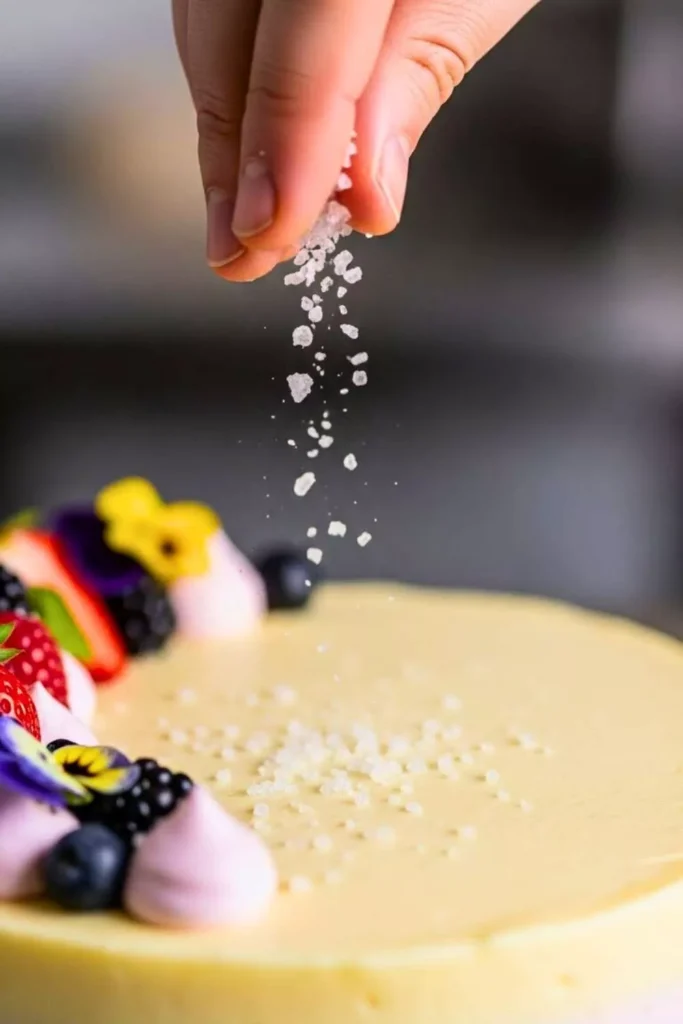
Why Salt Is Important in Cakes
1. Enhances Sweetness
Salt doesn’t compete with sugar—it supports it. A small amount of salt makes sweet flavors taste brighter and more pronounced.
That’s why cakes with salt taste richer and more flavorful than cakes without it.
2. Balances Flavors
Cakes often contain sugar, butter, eggs, and sometimes chocolate or fruit.
Salt balances these ingredients and prevents the cake from tasting overly sugary or one-dimensional.
3. Improves Texture
Salt strengthens gluten structure in the batter. This helps create a cake that is soft but not crumbly, giving you a better slice and mouthfeel.
How Much Salt Should You Add?
| Cake Type | Recommended Salt Amount |
|---|---|
| Vanilla Cake | 1/4 – 1/2 teaspoon |
| Chocolate Cake | 1/2 teaspoon |
| Fruit Cake | 1/2 teaspoon |
| Pound Cake | 1/2 – 3/4 teaspoon |
Note: These amounts are for standard 8–9 inch cakes or one loaf-sized cake.
Types of Salt and Their Impact
Table Salt
Fine-grained and dissolves quickly. Best for baking because it distributes evenly.
Sea Salt
Adds subtle flavor depth. If using coarse sea salt, make sure it is finely ground before adding.
Kosher Salt
Milder and less dense. If substituting for table salt, you may need slightly more.
Common Mistakes When Using Salt in Cake
- Adding too much salt, which can overpower the sweetness
- Forgetting salt entirely, leading to a bland cake
- Using coarse salt without crushing it
- Confusing salted butter with unsalted and doubling the salt
What Happens If You Skip Salt?
When you leave out salt, your cake may still rise and bake, but the flavor will be noticeably dull. It can taste overly sweet, flat, and lacking depth.
Even a perfect texture can’t save a cake that lacks balanced flavor.
Can You Add Salt on Top of the Cake?
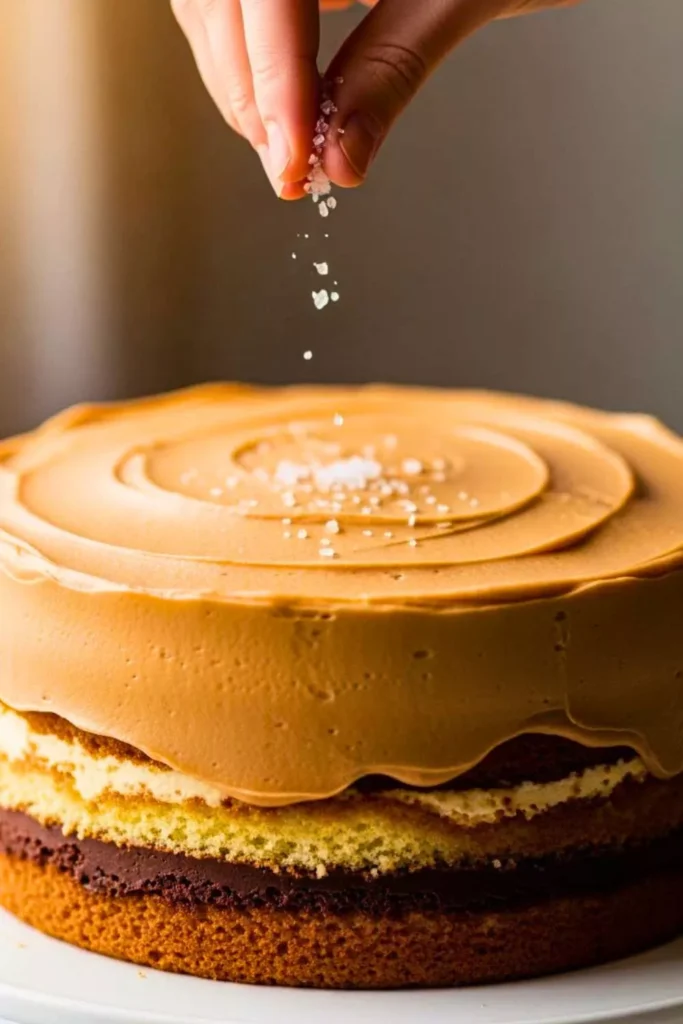
Yes, in some cases. A light sprinkle of flaky sea salt on chocolate or caramel cakes can create a beautiful sweet-salty contrast.
This is especially popular in modern desserts and gourmet bakeries.
Conclusion
So, can you add salt to the cake? Not only can you, but you should. Salt is an essential ingredient that enhances sweetness, balances flavors, and improves texture.
Used correctly, it won’t make your cake salty—it will make it better.
Whether you’re baking a simple sponge or a rich chocolate cake, a pinch of salt can make all the difference.