Eggs are a common ingredient in baking. They bind ingredients, add moisture, and help cakes rise. But what if you don’t have eggs at home?
Or if you follow a vegan diet?
The good news is, you can bake without eggs. It just takes understanding how eggs work and which substitutes to use.
Can You Bake Without Eggs
Why Eggs Matter in Baking
Eggs are important because they do a lot in baked goods. They bind ingredients together so your batter doesn’t fall apart.
They add moisture and richness, keeping cakes and cookies soft.
Eggs also help baked goods rise, giving them a light texture. Finally, they add flavor and a golden color.
How to Replace Eggs
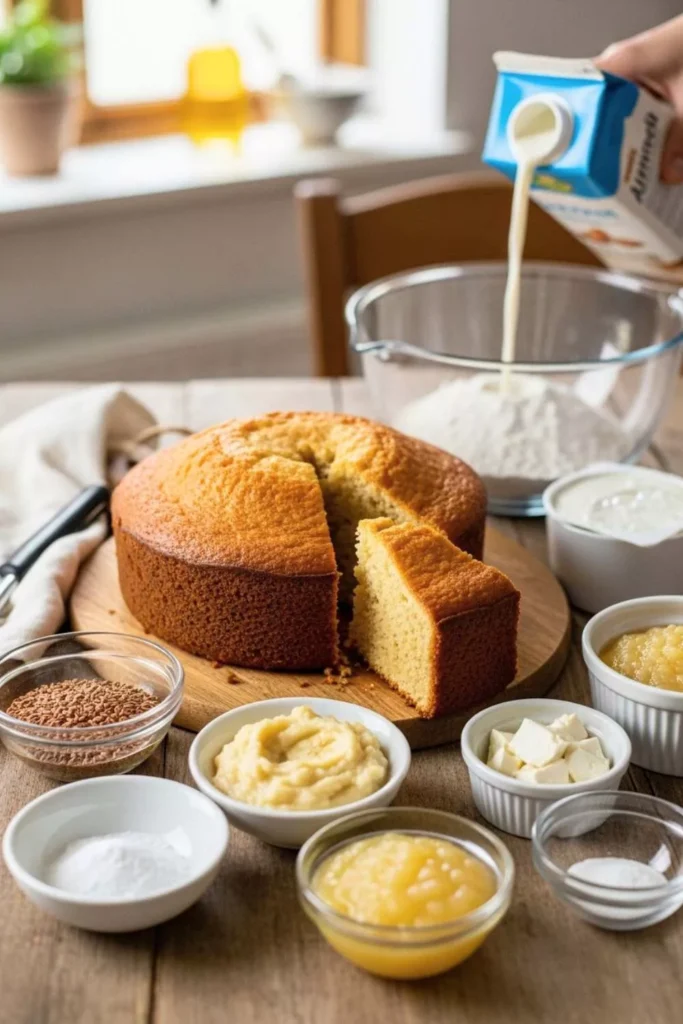
You don’t need eggs for every recipe. Applesauce and mashed bananas are great for adding moisture. One-quarter cup of either can replace one egg.
For binding, ground flaxseed or chia seeds mixed with water work well.
Simply mix one tablespoon of seeds with three tablespoons of water and let it gel for a few minutes.
Yogurt or buttermilk can also replace eggs, adding softness and a slight tang. For any recipe, powdered egg replacers from stores are convenient and reliable.
Baking Tips Without Eggs
When you bake without eggs, some adjustments help. Reduce other liquids slightly if your substitute adds extra moisture.
Mix gently to avoid dense cakes, and consider lowering the oven temperature a little for delicate recipes.
Some baked goods may be slightly denser or chewier, but the flavor will still be delicious.
Best Recipes Without Eggs
Egg-free baking works best in recipes like muffins, brownies, pancakes, quick breads, and cookies.
Moist and dense recipes are easier to replace eggs in, while airy cakes may need more experimentation.
Conclusion
Yes, you can bake without eggs. Substitutes like applesauce, bananas, flaxseed, chia seeds, yogurt, and commercial replacers make it possible.
Baking without eggs may slightly change the texture, but flavors remain delicious.
With a little practice, egg-free baking can be just as enjoyable and satisfying as traditional recipes.