Rice is one of the most versatile ingredients in the world—and the liquid you cook it in plays a major role in its final taste. While water is the most common choice, many home cooks wonder: Can you cook rice in chicken broth? The answer is a definite yes.
In fact, cooking rice in chicken broth is one of the simplest ways to add richness, depth, and savory flavor without extra effort.
This article explains how it works, why it’s beneficial, and what to consider before using broth in place of water.
Can You Cook Rice in Chicken Broth?
Yes, you absolutely can cook rice in chicken broth, and many chefs recommend it.
Replacing water with chicken broth (or even using a mix of broth and water) instantly boosts flavor and transforms plain rice into a more aromatic, savory side dish.
Chicken broth contains natural fats, proteins, seasonings, and aromatics that infuse into the rice as it cooks, resulting in a more satisfying and well-rounded taste.
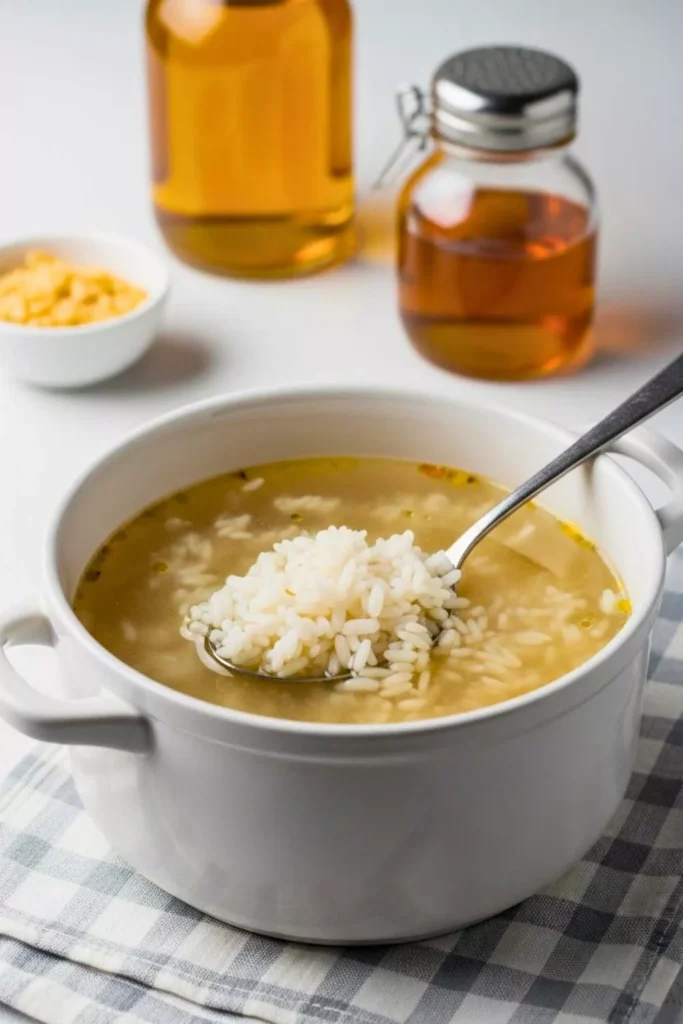
This technique works with almost any type of rice—white, jasmine, basmati, brown rice, and even wild rice blends.
The method is the same as cooking rice in water, except the broth contributes an added layer of richness.
Why Cook Rice in Chicken Broth?
1. Better Flavor
Chicken broth adds depth that water can’t. Each grain absorbs savory notes from the broth, giving you rice that tastes almost like a side dish on its own without needing extra seasoning.
2. More Nutrients
Quality chicken broth contains collagen, minerals, and sometimes vegetables. While rice doesn’t absorb all of it, the final result can be slightly more nutrient-dense than rice cooked in water.
3. Enhanced Aroma
Rice cooked in broth releases a warm, comforting aroma while cooking and tastes richer once done—similar to pilaf or risotto.
4. Pairs Better With Meals
Rice cooked in chicken broth complements dishes like roasted chicken, grilled meats, stews, stir-fries, and casseroles. It turns a basic side into something far more flavorful.
Things to Consider
1. Sodium Levels
One common concern with using broth is salt content. Many store-bought broths are high in sodium, which can lead to overly salty rice.
Tip: Use low-sodium chicken broth and adjust seasoning at the end.
2. Flavor Strength
Some broths are very concentrated. If you want a milder flavor, mix half broth and half water. This still adds richness without overpowering the dish.
3. Vegan or Vegetarian Options
If you’re cooking for someone who avoids meat, substitute vegetable broth instead. It provides the same flavor benefits without the chicken.
4. Texture Differences
Chicken broth contains fats and proteins, which can slightly change the texture of the rice, making it creamier or more tender. Most people prefer this outcome, but it’s worth noting.
Types of Rice That Work Best
1. White Rice (Long or Medium Grain)
Absorbs broth beautifully and cooks evenly. Jasmine or basmati rice becomes especially aromatic.
2. Brown Rice
Takes longer to cook but becomes nuttier and richer when simmered in broth.
3. Wild Rice Blends
Broth helps soften tougher grains and gives them a deeper, more savory flavor.
4. Arborio Rice (Risotto-Style Uses)
Rice like Arborio is commonly used with broth already, making it the perfect match.
How Much Broth Should You Use?
Use the same liquid-to-rice ratio that you normally use with water. For most rice types, that means:
- 1 cup rice: 2 cups chicken broth (white rice)
- 1 cup rice: 2 ½ cups broth (brown rice)
No special adjustments are needed beyond monitoring salt.
Conclusion
So, can you cook rice in chicken broth? Without a doubt.
Chicken broth enhances the flavor, aroma, and texture of rice, turning it into a delicious, savory side with almost zero extra work.
Whether you cook it entirely in broth or mix broth with water, your rice becomes more satisfying and pairs beautifully with countless meals.
It’s a small change that makes a big difference in the kitchen.