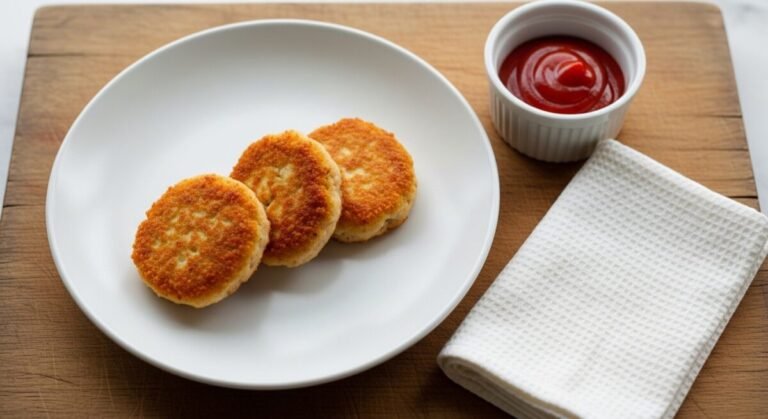
You’re about to learn exactly how to make classic chicken salad step by step, even if you’ve never cooked chicken before. This guide keeps everything simple: clear timings, visual cues, and the few tools that make prep painless.
Follow each short step and you’ll end up with a creamy, tender salad ready for sandwiches, salads, or a quick lunch. Let’s get started.
How To Make Classic Chicken Salad
This classic chicken salad is a creamy mix of tender cooked chicken, crisp celery, mild red onion, mayonnaise, mustard, lemon, and simple seasoning. The final texture should be chunky but cohesive, tangy with a soft, silky dressing and crunchy fresh bits.
Ingredients
- 3 cups cooked chicken, shredded or finely chopped (about 1.25 lb raw before cooking)
- 3/4 cup mayonnaise (use your favorite creamy brand)
- 1 tsp Dijon mustard
- 1 tbsp lemon juice, fresh
- 2 celery stalks, finely diced (for crunch)
- 2 tbsp red onion, very finely diced (mild bite)
- 1/4 cup chopped parsley or dill (optional)
- 1/4 tsp kosher salt, plus more to taste
- 1/4 tsp freshly ground black pepper
- 1/4 cup toasted pecans or sliced grapes (optional add-ins)
Step-By-Step Instructions
1 — Cook and Check the Chicken
If you’re starting from raw chicken, poach boneless skinless chicken breasts in simmering water for 12–15 minutes until an instant-read thermometer reads 165°F. For baking, roast at 400°F for 20–25 minutes. Cooling quickly keeps the meat tender; transfer to a plate and rest 5–10 minutes, then chill briefly if you prefer cold salad.
Why it matters: Proper cooking and cooling prevent dryness and ensure safe internal temperature. A digital thermometer helps you hit 165°F precisely: Digital Kitchen Thermometer.
2 — Shred or Chop to the Right Texture
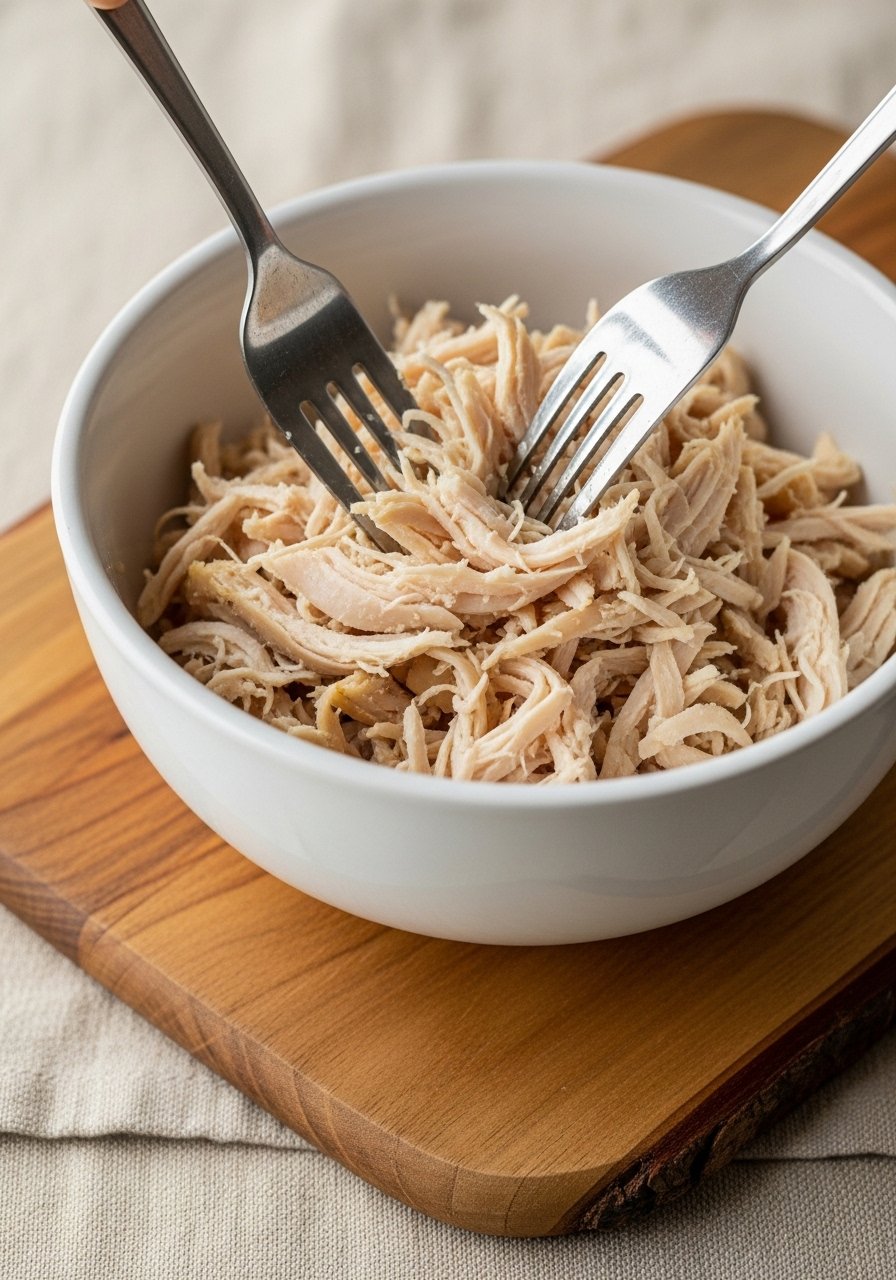
Use two forks to shred warm chicken for a rustic bite, or chop with a sharp chef’s knife for a denser, sandwich-friendly texture. Aim for 1/2-inch pieces—small enough to hold the dressing, large enough to notice the chicken.
Why it matters: Texture defines the salad’s mouthfeel. A good knife and board make this fast and safe: Chef's Knife and Wood Cutting Board.
3 — Make the Dressing
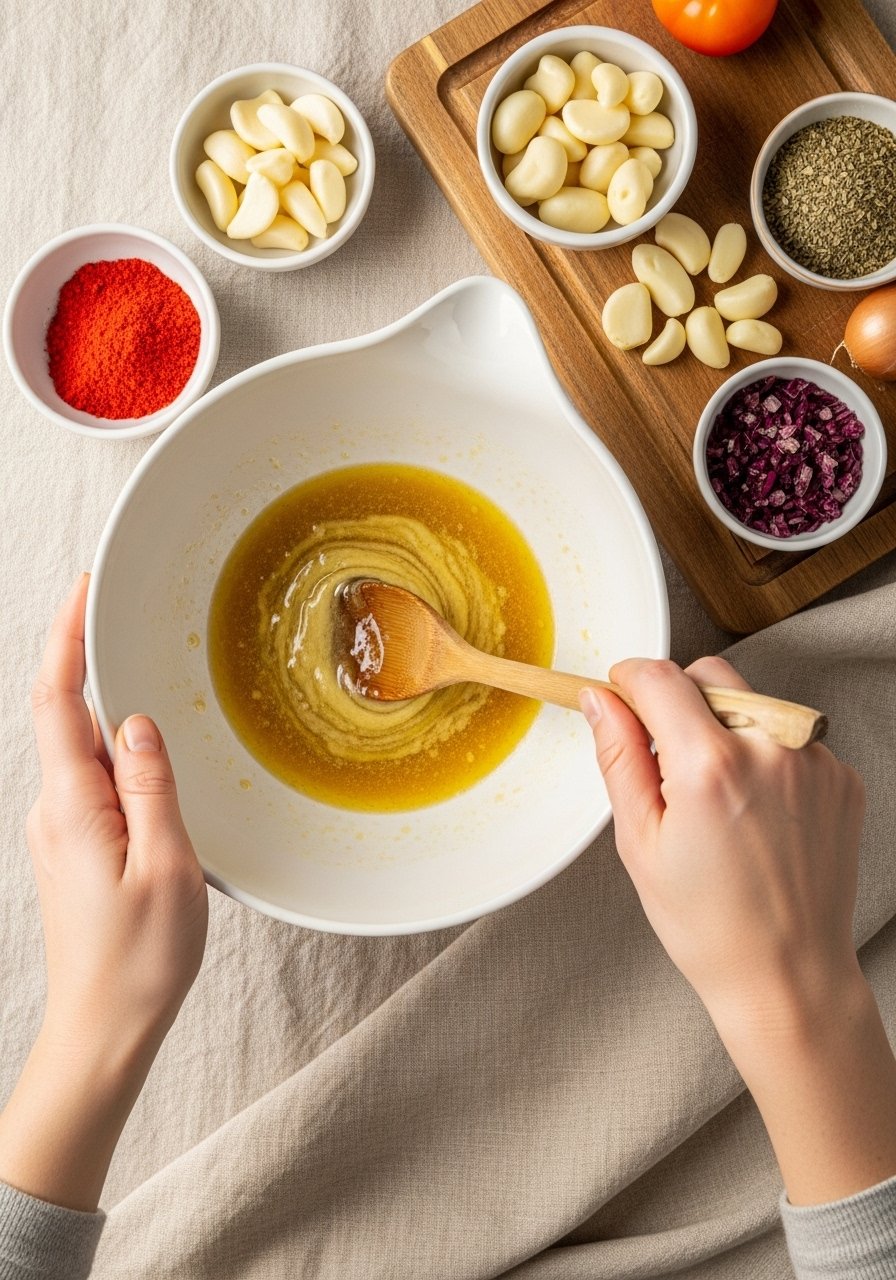
In a mixing bowl, whisk 3/4 cup mayonnaise, 1 tsp Dijon, and 1 tbsp lemon juice until smooth. Season with 1/4 tsp salt and 1/4 tsp pepper. Taste and adjust—add more lemon for brightness or a pinch more mustard for tang.
Why it matters: A balanced dressing binds the salad and balances flavors. Measuring tools keep proportions consistent: Measuring Cups & Spoons.
4 — Combine, Chill, and Adjust
Fold chicken, celery, onion, and optional add-ins into the dressing until evenly coated. Chill 20–30 minutes to let flavors marry. Before serving, check seasoning and add salt, pepper, or more lemon as needed.
Why it matters: Resting lets the dressing penetrate the chicken for a unified flavor. Use a large mixing bowl for easy folding: Mixing Bowls Set.
How to Cook and Cool Chicken for Salad
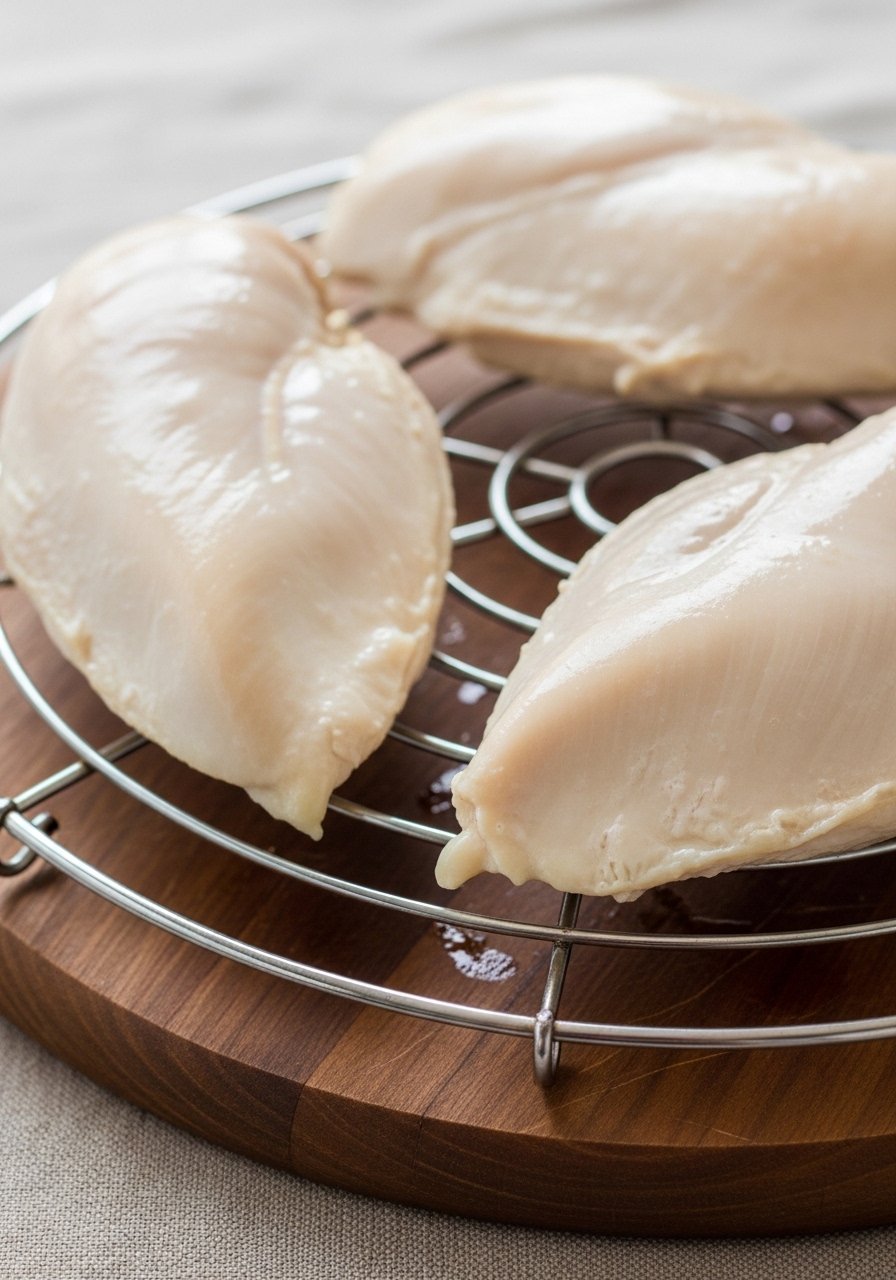
Poaching keeps chicken moist. Simmer gently—small bubbles, not a rolling boil. Remove breasts when the thermometer reads 165°F and let sit 5–10 minutes; carry-over heat evens the temperature. For faster prep, use shredded rotisserie chicken from the store.
Cooling on a rack prevents sogginess. If you’ll store the salad, chill the chicken fully in the fridge before mixing to reduce bacterial risk and keep mayonnaise from thinning.
How to Chop Chicken for Best Texture
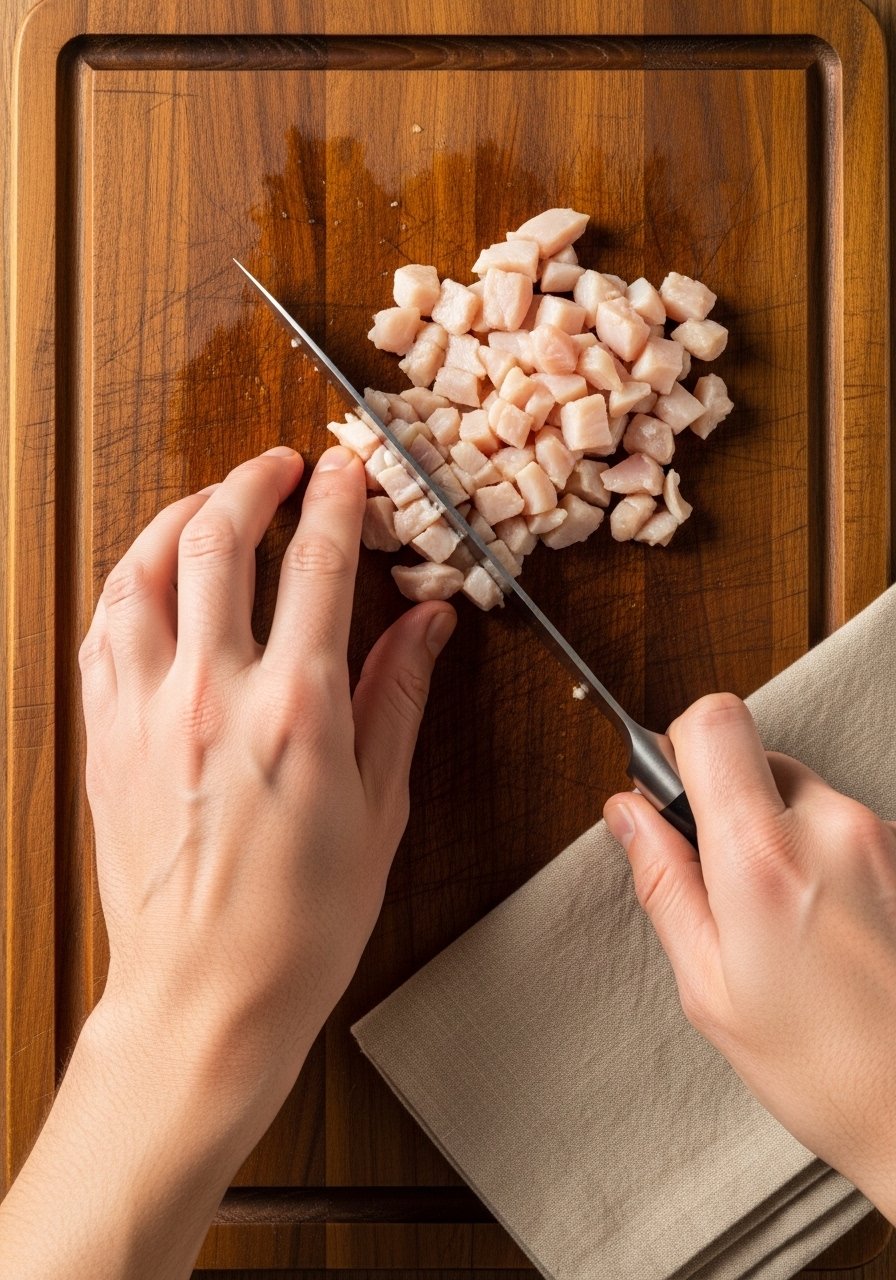
For sandwiches, chop small (about 1/4–1/2 inch). For bowls or plates, a rougher shred works nicely. Uniform pieces ensure even dressing coverage and consistent bites. Use a sharp knife and steady strokes; if the chicken is cold, chopping is cleaner and easier.
A quick tip: cut across the grain for tender bites, and avoid puréeing—classic salad keeps visible chicken pieces.
How to Store and Serve Classic Chicken Salad
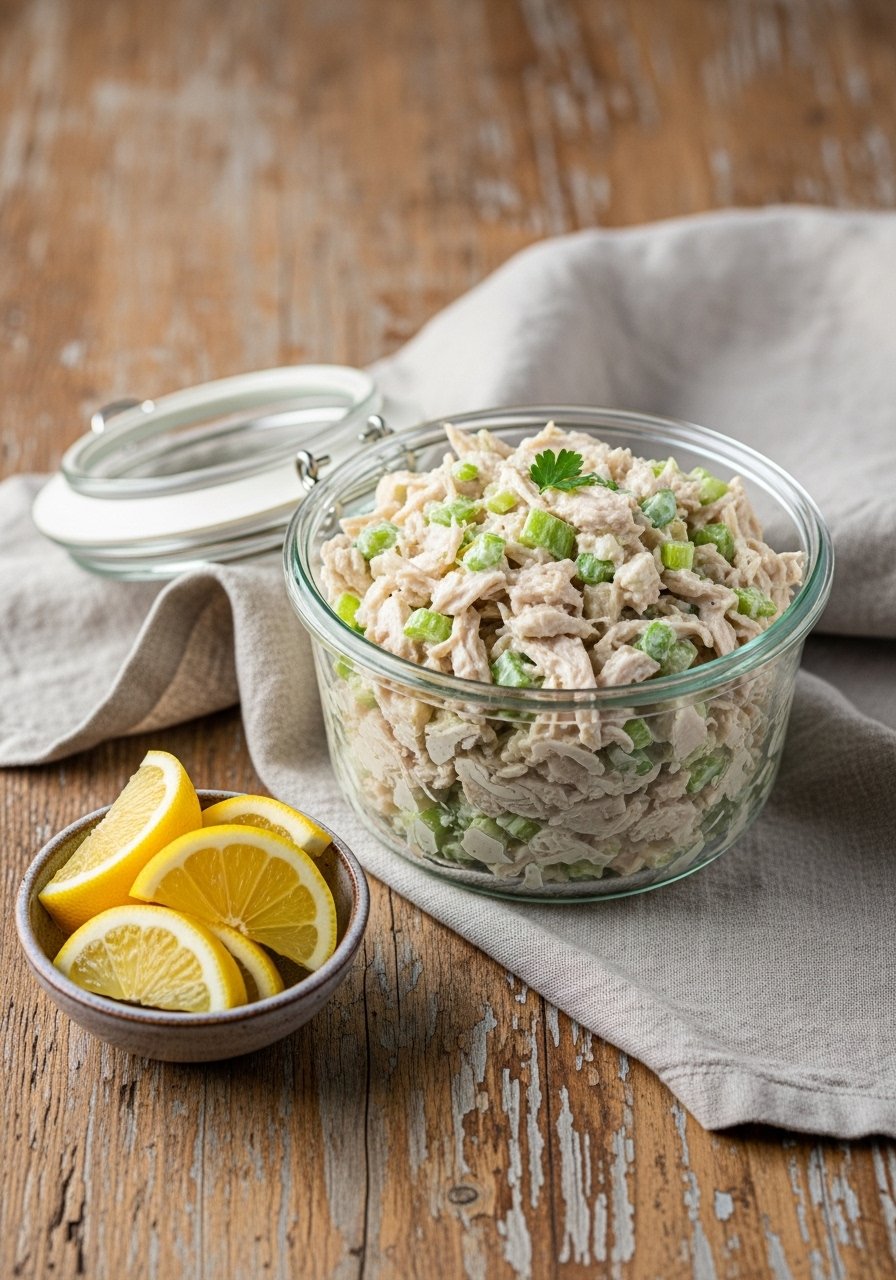
Store in an airtight container in the fridge up to 3 days. Keep separate bread or lettuce until serving to avoid sogginess. For serving, spoon onto toasted bread, a bed of greens, or into crisp lettuce cups.
If texture softens after refrigeration, stir in a splash of lemon juice and a pinch of salt to brighten and revive the flavor.
Final Thoughts
You now have a reliable, beginner-friendly method to make classic chicken salad from start to finish. Follow the steps, use the visual cues, and taste as you go.
This chicken salad is forgiving—adjust lemon, mustard, or crunch to match your preference, and enjoy a dependable, simple meal.