Sushi rice is the heart of every great sushi roll, nigiri, or poke bowl. Perfect sushi rice should be sticky enough to hold its shape, yet fluffy, glossy, and seasoned with a balanced mixture of vinegar, sugar, and salt.
This guide will walk you through how to make sushi rice with professional-style texture and flavor, using easy steps and ingredients available in most stores.
How to Make Sushi Rice
Sushi rice, also called shari or sumeshi, is short-grain Japanese rice cooked until tender and then seasoned with a classic vinegar mixture.
The grains must be washed thoroughly to remove excess starch, cooked with precise water ratios, and gently mixed with vinegar while still warm.
The key to authentic sushi rice is achieving the perfect stickiness without becoming mushy.
This recipe provides step-by-step instructions that work for both stovetop and rice cooker methods. Once prepared, the rice becomes glossy, flavorful, and ideal for rolls, bowls, and traditional sushi dishes.
Ingredients
For the Sushi Rice
- 2 cups Japanese short-grain rice (sushi rice)
- 2 cups water (for cooking)
- Additional water for rinsing
For the Sushi Vinegar Seasoning
- ¼ cup rice vinegar
- 2 tbsp sugar
- 1 tsp salt
Optional:
- 1 small piece of kombu (dried kelp) for extra umami
- 1 tbsp mirin (for slight sweetness)
Instructions
1. Rinsing and Preparing the Rice
Start by measuring 2 cups of short-grain sushi rice into a large bowl. Add enough cold water to fully cover the rice, then gently move the grains around with your hand in circular motions.
The water will turn cloudy instantly as the starch is released. Drain the water and repeat the rinsing process 3–5 times until the water becomes mostly clear.
This rinsing step is essential—removing excess starch ensures your sushi rice becomes sticky but not gummy.
After rinsing, let the rice sit in a strainer for 10–15 minutes to drain completely.
2. Cooking the Rice (Stovetop or Rice Cooker)
Rice Cooker Method:
Place the rinsed rice into your rice cooker bowl. Add exactly 2 cups of water (use the same cup you used for measuring rice).
If using kombu, place a small piece on top of the rice. Start the rice cooker and let it cook until done.
Once finished, allow the rice to rest for 10 minutes before opening the lid. This helps the grains settle and prevents breakage.
Stovetop Method:
Place the rice and 2 cups of water in a heavy-bottomed pot with a tight lid. Bring to a gentle boil over medium heat, then immediately reduce to low heat and cover the pot.
Cook for 15 minutes without opening the lid. Turn off the heat and let the rice steam (still covered) for another 10 minutes.
3. Preparing the Sushi Vinegar
While the rice cooks, make the seasoning. In a small saucepan, combine rice vinegar, sugar, and salt.
Heat over low flame until the sugar dissolves—do not boil. The mixture should taste slightly sweet, salty, and tangy. Set aside to cool slightly.
You can also add mirin or kombu to your seasoning for deeper flavor.
4. Mixing the Vinegar Into the Rice
Transfer the warm rice into a wide wooden bowl (called hangiri) or any large shallow bowl. Remove the kombu if you added it earlier.
Pour the sushi vinegar evenly over the hot rice.
Using a wooden spatula, gently fold the vinegar into the rice using slicing motions. Do not smash or stir vigorously—this will break the grains.
The goal is to evenly coat every grain while maintaining its shape.
While mixing, fan the rice using a handheld fan or a small piece of cardboard. This cooling technique gives the rice a shiny, glossy finish and helps it absorb the seasoning better.
5. Resting and Using the Sushi Rice
Once the rice is fully seasoned, cover it with a damp cloth to prevent it from drying out. Allow it to rest for 10 minutes.
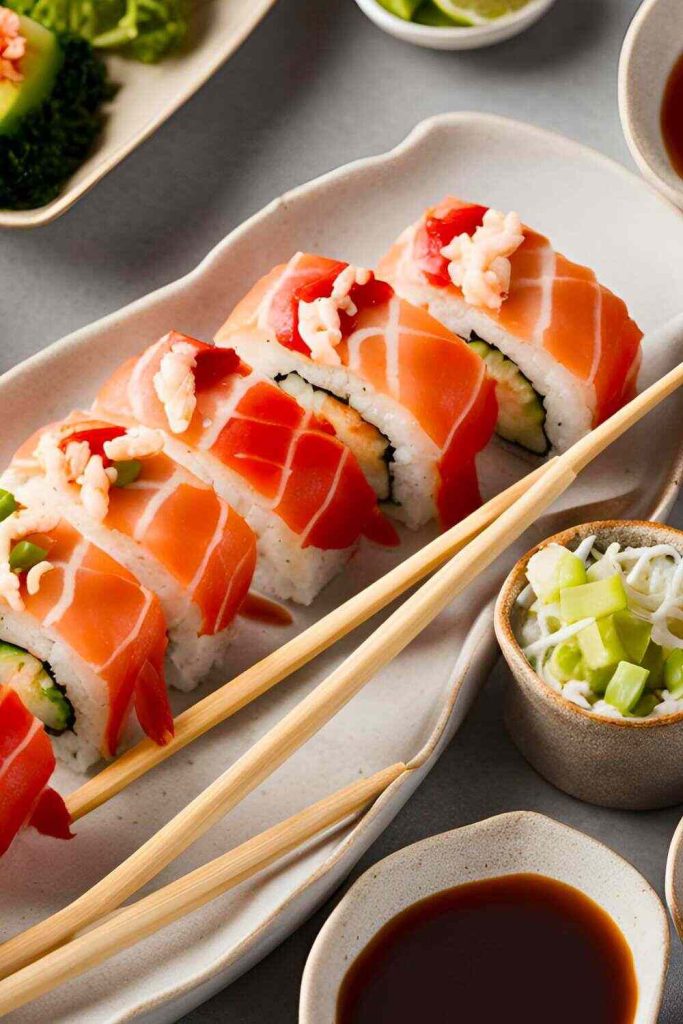
Your sushi rice is now ready to use in rolls, nigiri, poke bowls, or any Japanese dish that requires sticky seasoned rice.
Different Variations
1. Brown Sushi Rice
Use short-grain brown rice instead of white. It’s less sticky and more chewy but nutritious. Increase water slightly and extend cooking time.
2. Low-Sugar Sushi Rice
Reduce sugar to 1 tablespoon for a lighter version. The rice will be slightly less glossy but still flavorful.
3. Furikake Sushi Rice
Add Japanese seasoning mix (furikake) to the cooked rice for flavored sushi bowls or onigiri.
4. Vegan Kombu Sushi Rice
Cook rice with kombu for umami, skip sugar, and increase salt slightly. This creates a savory version ideal for poke and Buddha bowls.
5. Sweet Sushi Rice (Dessert-Style)
Add extra sugar and a splash of coconut milk for dessert sushi, such as fruit rolls.
Conclusion
Learning how to make sushi rice is the foundation of mastering homemade sushi.
With the right rice, proper rinsing, precise water ratios, and careful seasoning, you can create beautifully sticky, flavorful sushi rice every time.
Once you perfect this basic recipe, you can explore endless sushi combinations—from classic rolls to modern bowls and fusion creations.