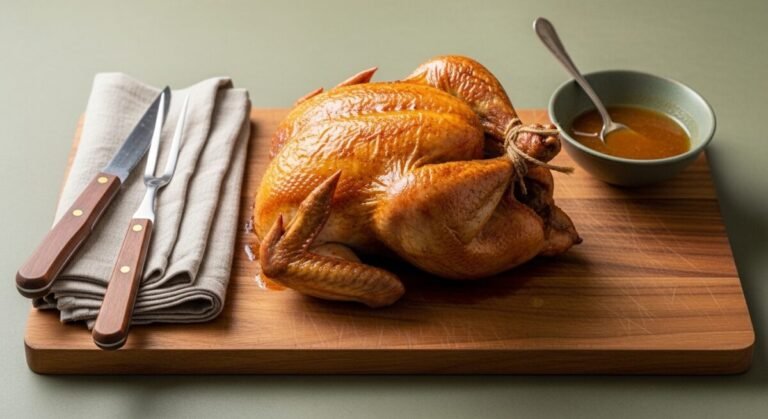
Meal prepping is one of the most effective ways to save time, reduce stress, and eat healthier throughout the week.
Instead of wondering what to cook every day or relying on takeout, meal prep allows you to plan and prepare your meals ahead of time. It helps you control portion sizes, manage your diet, and stick to your health goals.
While it may seem overwhelming at first, meal prepping can become a simple routine once you understand the process.
With a few strategies and some organisation, you can make your week easier, healthier, and more efficient.
Plan Your Meals in Advance
The first step in meal prepping is planning your meals for the week.
Start by deciding what you want to eat for breakfast, lunch, dinner, and snacks. Look for recipes that are simple to make in bulk and can be stored well in the fridge or freezer.
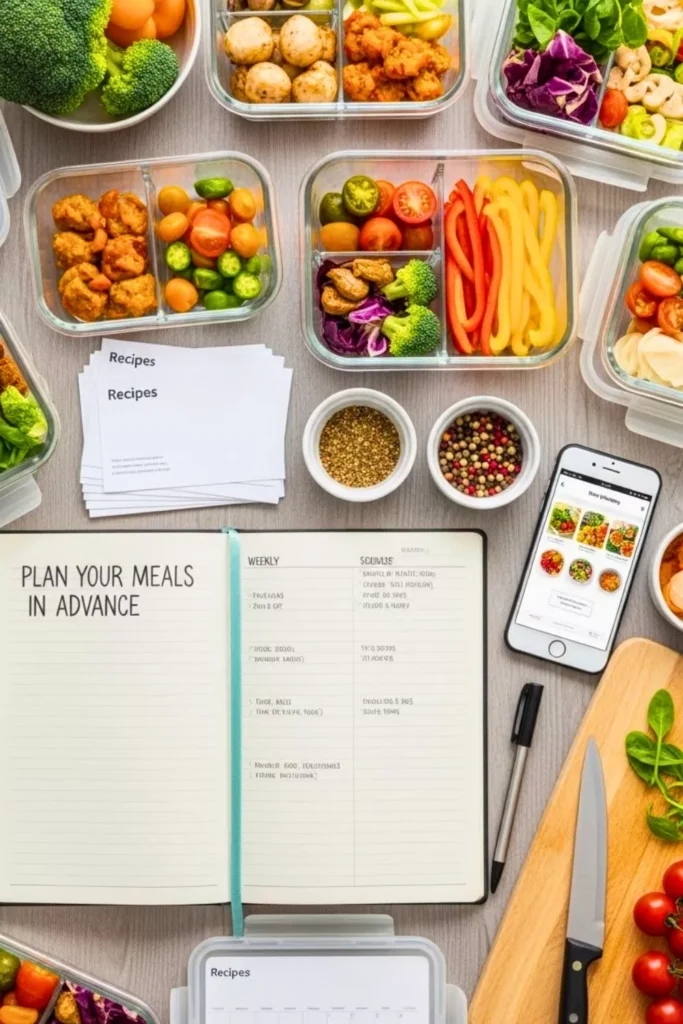
Planning helps you avoid last-minute decisions, which often lead to unhealthy choices.
Aim for balanced meals that include protein, healthy carbohydrates, and vegetables. It’s also important to consider variety so your meals don’t become repetitive or boring.
Writing down a weekly meal plan is an essential part of the prep process and sets the foundation for a successful week.
Make a Smart Grocery List
Once you have your meal plan, it’s time to create a grocery list. Check what ingredients you already have in your pantry, fridge, or freezer, and only list what you need to buy.
Organise your shopping list by sections of the store, such as produce, meat, dairy, and pantry staples.
This not only saves time while shopping but also prevents unnecessary purchases and food waste. Being organised at this stage ensures that you have all the ingredients ready for your meal prep session and reduces the chances of forgetting key items.
Prep Ingredients Ahead of Time
Before cooking, it’s helpful to prep all your ingredients. Wash and chop vegetables, marinate proteins, and measure out grains, spices, and other staples.
Cooking grains like rice or quinoa in advance can save significant time later.
Proteins like chicken, fish, or tofu can be baked, grilled, or boiled in bulk. Storing each ingredient separately in airtight containers ensures freshness and makes assembling meals easier during the week.
Labelling containers can help you quickly identify ingredients and plan meals without confusion.
This preparation step is crucial because it reduces cooking time and allows for a smoother workflow during the week.
Cook in Batches
Batch cooking is the core of meal prepping. Choose one or two days, such as Sunday and Wednesday, to cook meals for the week.
Utilise multiple pans, oven trays, or slow cookers to prepare several dishes simultaneously.
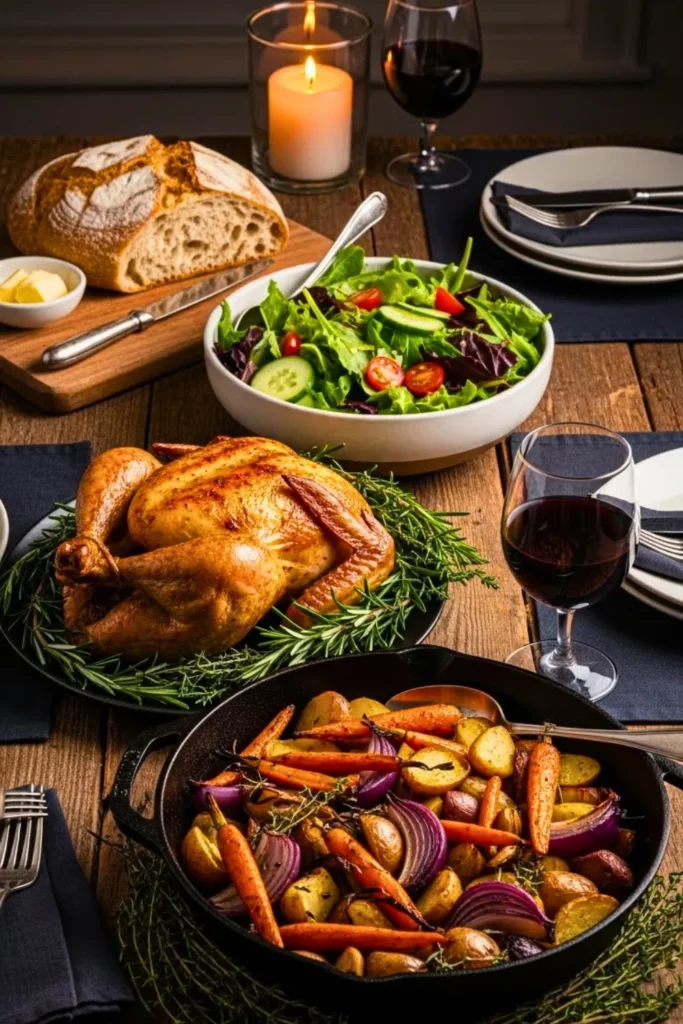
Focus on recipes that are easy, versatile, and store well. For example, roasted vegetables, baked chicken breasts, and quinoa can be combined in various ways for different meals.
Cooking in batches not only saves time but also ensures that you have nutritious meals ready to go, eliminating the temptation to order takeout or skip meals.
Store Meals Properly
Proper storage is key to maintaining the taste and safety of your meals. Use airtight containers, preferably glass, to keep food fresh and make reheating easy.
Most prepared meals can be stored in the fridge for up to four days, while some can be frozen for longer periods.
Keep sauces, dressings, and toppings separate to prevent meals from becoming soggy.
Proper storage helps meals stay fresh and flavorful, making it easier to enjoy your food throughout the week without worrying about spoilage.
Portion Meals for Convenience
Dividing meals into single servings is an essential part of meal prep. Portioning makes it easy to grab and go during busy days and ensures you are eating the right amount.
You can use measuring cups, a kitchen scale, or even eyeball portions if you’re comfortable.
Portion control not only supports healthy eating habits but also reduces food waste.
By having meals pre-portioned, you eliminate the need for extra preparation during the week, which saves time and keeps your diet on track.
Reheat and Enjoy
During the week, simply reheat your prepared meals and enjoy. Most prepped meals can be reheated in the microwave or on the stove.
Adding fresh herbs, a squeeze of lemon, or a sprinkle of spices can instantly enhance flavours.
Meal prepping takes the stress out of daily cooking and allows you to focus on your work, family, or personal time without sacrificing nutrition.
With ready-to-eat meals on hand, healthy eating becomes effortless and convenient.
Conclusion
Meal prepping for the week is a simple yet powerful strategy to save time, eat healthier, and reduce stress.
By planning your meals, creating a smart shopping list, prepping ingredients, batch cooking, storing meals properly, and portioning them, you set yourself up for a smooth and organised week.
Starting small and gradually building your routine can make meal prep an enjoyable habit.
Once you experience the convenience and benefits, meal prepping will become an essential part of your weekly routine, helping you maintain a balanced diet while saving time and effort.