You want reliably crispy, juicy chicken thighs straight from your oven. This guide shows exactly how to roast chicken thighs in oven so the skin turns golden and crackly while the meat stays tender.
No tricks, just clear steps, exact temperatures, simple tools, and the visual cues that tell you it’s done right.
How To Roast Chicken Thighs In Oven

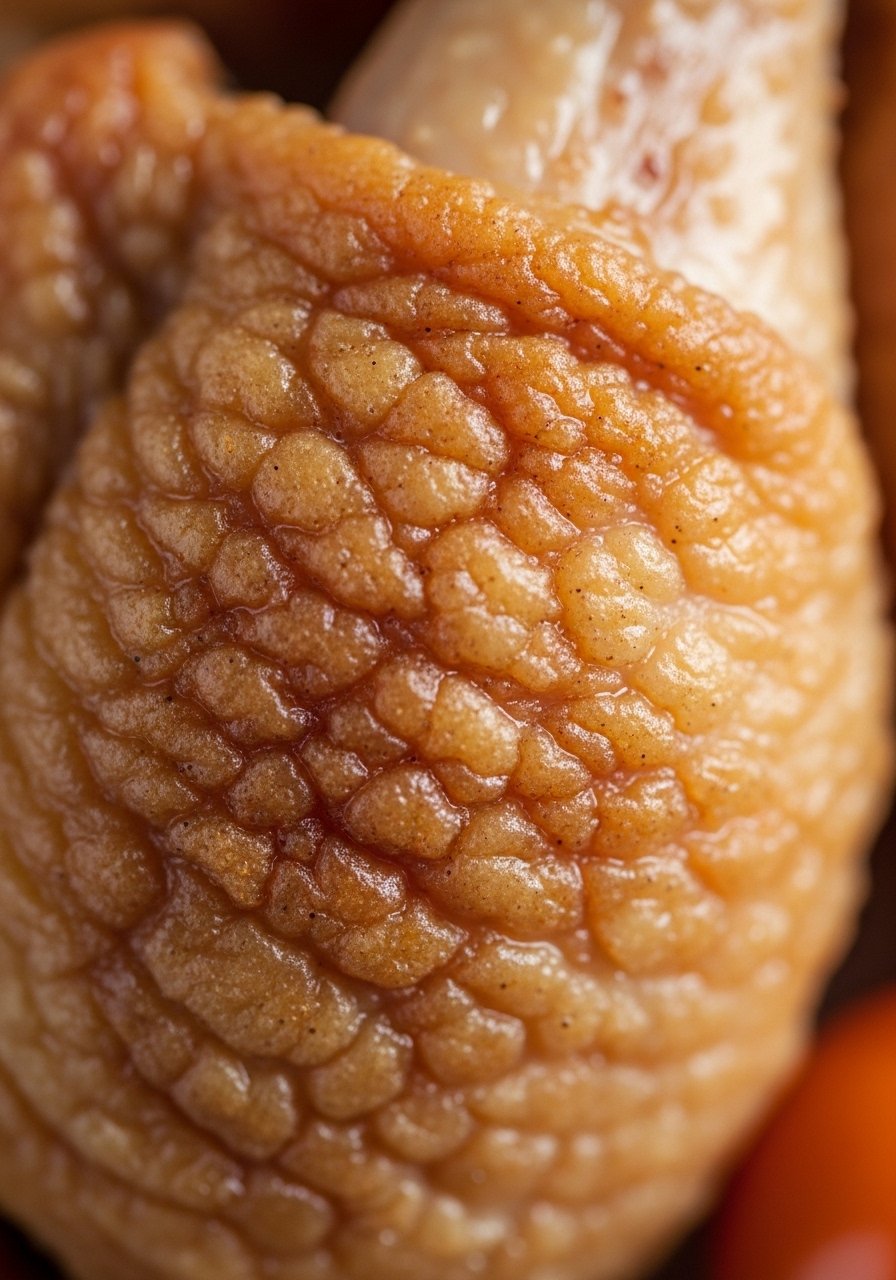
These are bone-in, skin-on chicken thighs roasted at high heat for crisp skin and a juicy interior. Expect deeply browned, crackling skin and tender meat that pulls cleanly from the bone. The method uses dry skin, high oven temperature, and a raised rack for even air circulation.
Ingredients
- 6 bone-in, skin-on chicken thighs (about 2.5–3 lb) — even size for even cooking
- 1½ tsp kosher salt (adjust for size)
- ¾ tsp freshly ground black pepper
- 1½ tbsp neutral oil (avocado or vegetable) or melted butter — thin coating helps browning
- 1 tsp garlic powder and 1 tsp smoked paprika (optional) for flavor
- Fresh lemon or herbs to finish (optional)
Step-By-Step Instructions

Prep the oven and rack
Preheat the oven to 425°F (220°C). Position the oven rack in the middle to allow hot air around the thighs. A hot oven jump-starts browning and crisping the skin.
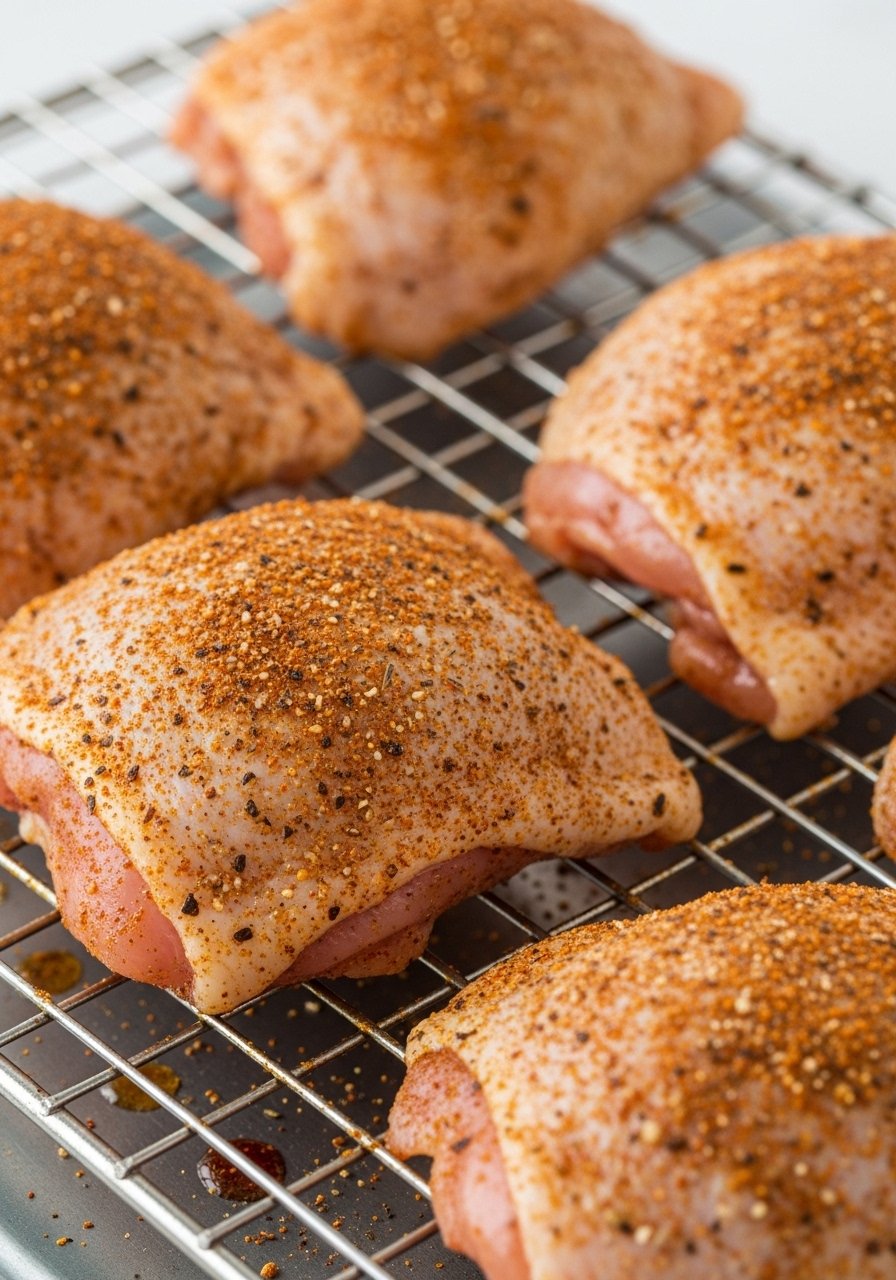
Use a Half Sheet Baking Pan with a Wire Cooling Rack so air circulates underneath. The elevated pan keeps the skin from steaming.
Dry the skin thoroughly
Pat each thigh completely dry with paper towels. Moisture prevents crisping; dry skin renders fat and crisps better.
If you have time, salt the thighs and let them sit uncovered in the fridge for 1–3 hours. This chills the skin and helps it become extra dry. If short on time, pat and season right before roasting.
Season and oil lightly
Rub oil over the skin, then sprinkle salt, pepper, garlic powder, and paprika evenly. The oil conducts heat and promotes browning; salt draws moisture out for a crisp finish.
Apply seasoning under the skin slightly where possible for more flavor. Use Kitchen Tongs to handle hot thighs safely when testing doneness.
Arrange and roast
Place thighs skin-side up on the wire rack with space between pieces. Roast at 425°F for 30–40 minutes depending on size. Look for deep golden-brown, bubbling fat at the skin edges.
Check temperature at the thickest part without touching bone using an Instant-Read Thermometer. Internal temp should read 165°F (74°C). If the skin isn’t crisped to your liking, switch to broil for 1–2 minutes—watch closely.
Rest and serve
Let thighs rest 5–8 minutes after pulling from oven. Resting redistributes juices and keeps meat moist. Serve with a squeeze of lemon or herbs if you like.
Choosing and Preparing Thighs
- Pick bone-in, skin-on thighs for the best flavor and crisping surface. Boneless or skinless will not achieve the same result.
- Trim excess loose skin for even contact with heat. Pat dry and keep them cold until roasting.
- Even-size pieces cook uniformly; check for very large thighs and increase roast time slightly.

Seasoning and Flavoring Tips
- Keep the base simple: salt, pepper, and a touch of oil. Strong herbs or sauces can mask crisping.
- For smoky depth, add smoked paprika. For Mediterranean notes, use lemon zest and oregano after roasting.
- Avoid wet marinades right before roasting; they add surface moisture and slow crisping. Apply stronger flavors under the skin or after resting.
Troubleshooting Crispy Skin Problems
- Skin not crisping? Ensure skin is fully dry and oven is at 425°F. Crowding the pan traps steam—space thighs out.
- Soggy bottoms? Use a wire rack. If you don’t have one, a hot oven-safe skillet can help elevate pieces slightly.
- Uneven browning? Rotate the pan halfway through cooking and check oven temperature accuracy with a thermometer.
Final Thoughts
This simple high-heat method gives reliably crispy skin and juicy thighs every time. Focus on dry skin, a hot oven, and proper elevation for airflow.
Once you master these steps, you’ll get consistent results without special techniques—just good timing and the right tools.

