You want ground deer meat that tastes rich, balanced, and never gamey or dry. Seasoning is the single most important step — not just what you add, but how, when, and in what amounts.
This guide walks you through exact measurements, timing, and simple techniques so every batch of ground venison hits the mark. You’ll learn practical tweaks for texture and flavor without guessing.
How To Season Ground Deer Meat
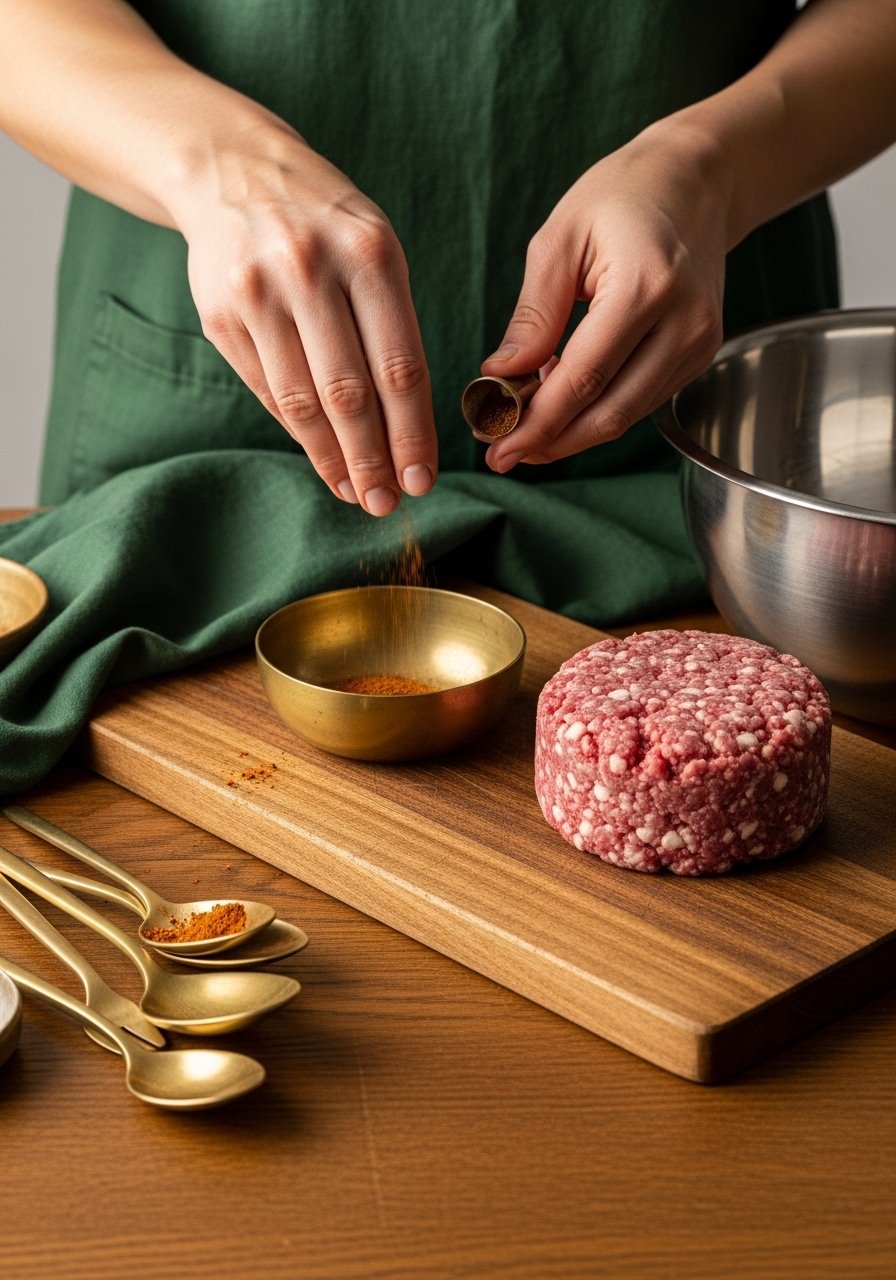
Seasoning ground deer meat means balancing salt, fat, aromatics, and technique so the meat stays juicy and flavorful. Follow clear ratios and simple tests to get a reliably rich result every time.
Step-By-Step Guide
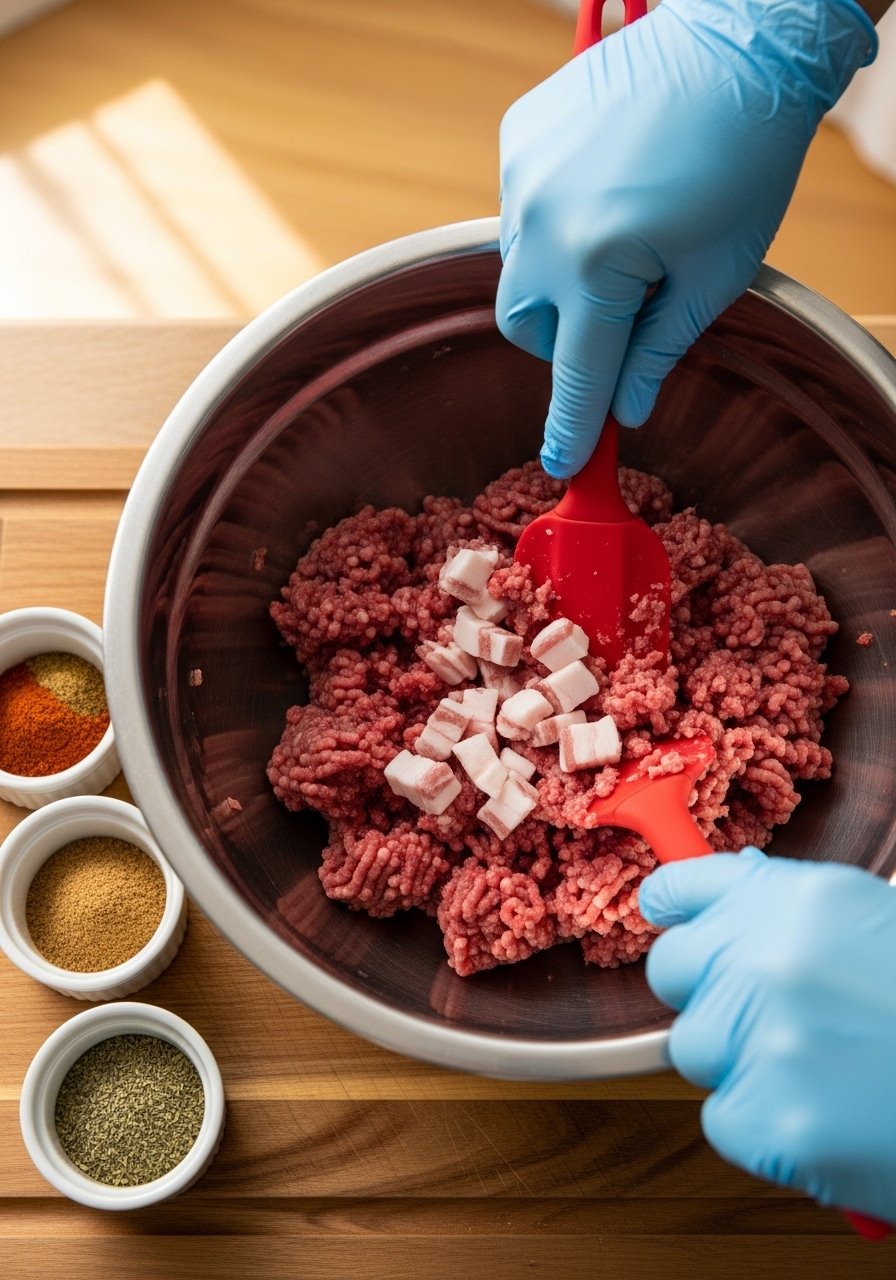
1. Keep Meat Cold and Prep It
Work with well-chilled meat (34–38°F). Cold meat mixes cleaner and binds better. Trim obvious silver skin or large sinew pieces — they won’t season well and can make texture chewy. Use nitrile gloves for grip and hygiene.
Quick visual cue: the meat should be pliable but not tacky. If it warms while you work, return it to the fridge for 10–15 minutes.
2. Calculate Salt and Add Fat
Aim for about 1% salt by weight (or ~1 teaspoon kosher salt per pound) as a reliable starting point. Weigh the meat with a digital kitchen scale to be precise.
Venison is very lean — add 10–20% pork or beef fat by weight (80/20 or 85/15 final ratio) to keep the meat juicy. Cut the fat into small cubes so it distributes evenly.
3. Measure and Add Dry Seasonings
Per pound of ground deer: 1 tsp onion powder, 1/2 tsp garlic powder, 1/2 tsp freshly ground black pepper, 1/4–1/2 tsp smoked paprika, and 1/4 tsp dried thyme or rosemary. Add a pinch (1/8 tsp) crushed juniper for classic venison brightness if desired. Use measuring spoons for consistency.
These mild, measured amounts enhance natural flavor without masking it. Strong spices should be used sparingly — you can always add more after testing.
4. Mix Gently and Let Salt Work
Combine with a few folding motions: press and fold 8–12 times with a silicone spatula or gloved hands. Overworking makes the texture dense; under-mixing leaves uneven seasoning.
After mixing, refrigerate 15–30 minutes for the salt to penetrate. For deeper seasoning, rest up to 12–24 hours. Visual cue: the meat should look cohesive and slightly tacky.
5. Taste-Test and Adjust
Make a 1–inch test patty and sear in a preheated cast iron skillet for 30–45 seconds per side to check seasoning (this tiny cook is just for testing). If it’s too salty, add lean meat to dilute; if flat, add 1/4–1/2 tsp extra salt per pound or a splash (½ tsp) Worcestershire for umami.
Adjust gradually. Small tweaks preserve your balance without overpowering venison’s delicate flavor.
Choosing Meat & Fat Ratio
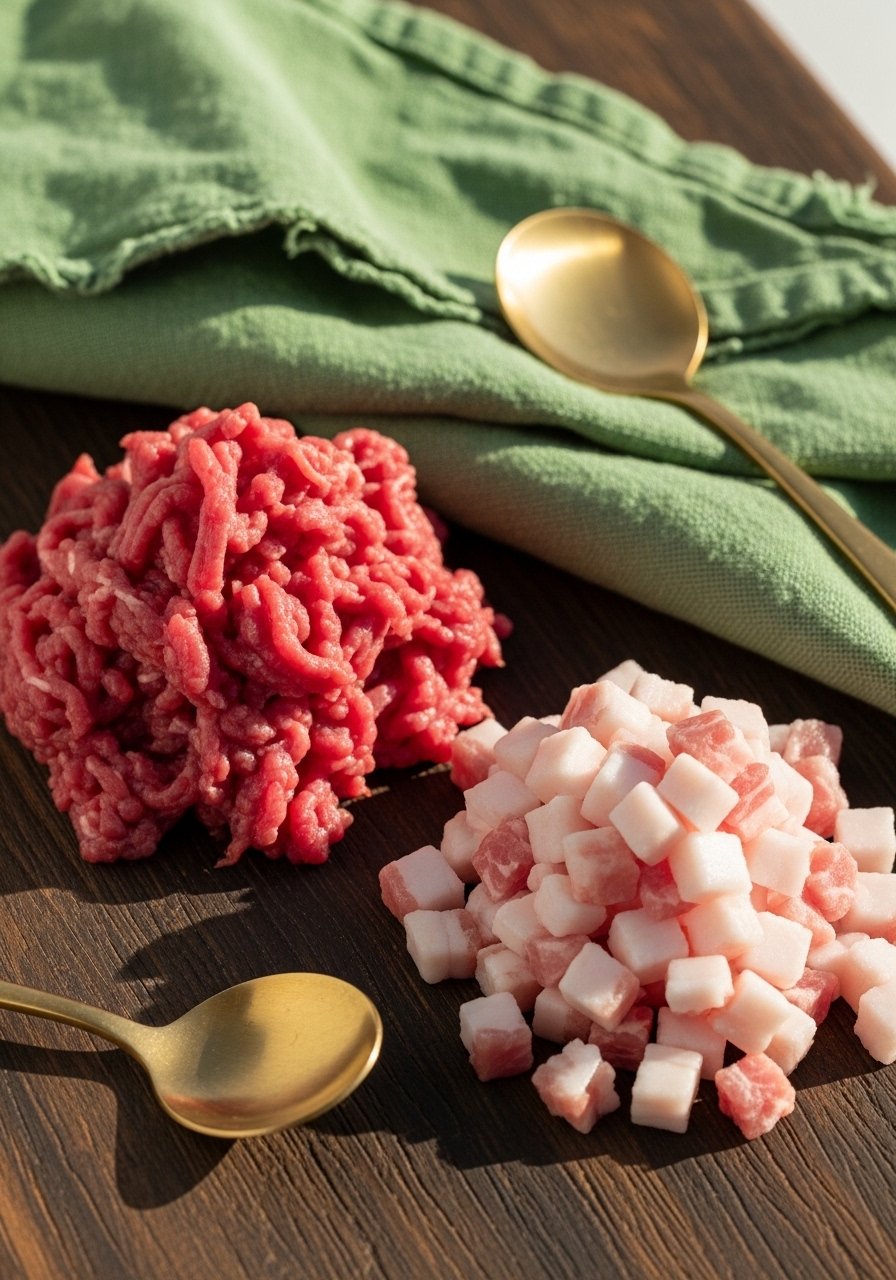
Lean ground venison benefits from added fat. For burgers or meatloaf aim for about 20% fat (80/20); for finer preparations 10–15% can suffice. Pork shoulder fat is neutral and blends easily; beef suet gives a richer beefy note. Measure fat by weight with your scale and cut it into small dice for even distribution.
If you prefer no added animal fat, add a tablespoon of neutral oil per pound and use shorter cooking times — but remember oil blends differently than rendered fat and affects mouthfeel.
Quick Seasoning Blends to Use
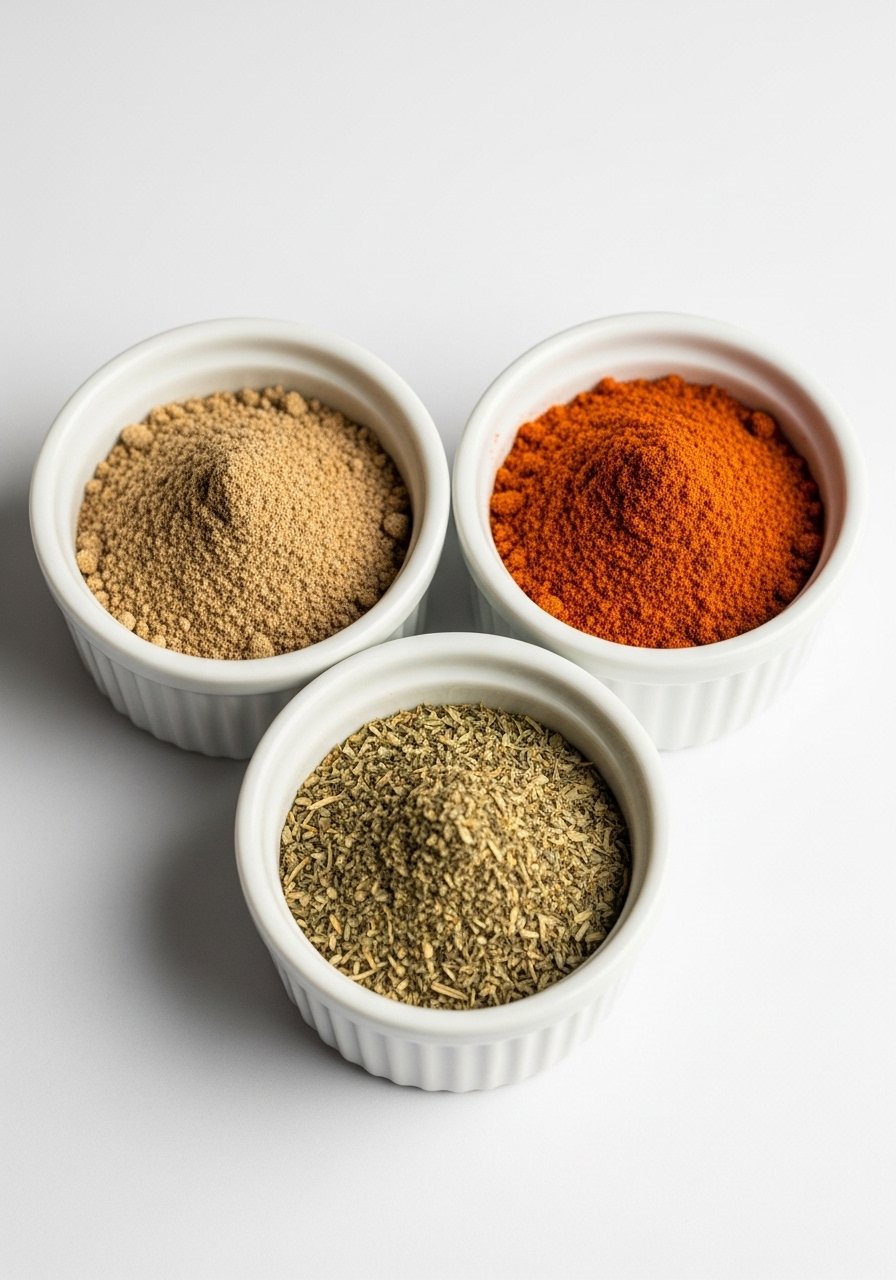
Classic Savory (per 1 lb): 1 tsp onion powder, 1/2 tsp garlic powder, 1/2 tsp black pepper, 1/4 tsp smoked paprika, 1/4 tsp thyme.
Bold & Smoky (per 1 lb): 3/4 tsp smoked paprika, 1/2 tsp cumin, 1/4 tsp chili flakes, 1 tsp Worcestershire.
Herb & Juniper (per 1 lb): 1/2 tsp crushed juniper, 1/2 tsp dried rosemary (crushed), 1/2 tsp black pepper, 1/4 tsp lemon zest (optional).
Use small ramekins or measure directly into the mixing bowl. Start with the listed amounts and adjust after a test patty.
Common Mistakes and Fixes
- Under-salting: Venison needs a firm baseline of salt. If flavor is flat after cooking, add 1/4 tsp salt per pound next time and rest longer.
- Overworking: Excessive mixing makes meat dense. Fold gently and stop when the mixture becomes cohesive.
- Ignoring fat: Lean meat without added fat will taste dry. If you forgot to add fat, mix in a bit of oil or a grated cold fat and rest to redistribute.
- Heavy-handed spices: Strong spices can mask venison. Add bold flavors in small increments and test.
Final Thoughts
You don’t need complex ingredients to make ground deer meat taste rich — precise salt, enough fat, measured aromatics, gentle mixing, and a short rest create balanced flavor. Follow the ratios here, test a tiny patty, and adjust slowly.
With these steps you’ll consistently turn lean venison into a flavorful, satisfying base for whatever you make next.