You want simple, nourishing ways to add natural probiotic foods to your daily routine. These recipes are approachable and focused on flavor, texture, and real ingredients you can find at any market.
Each recipe includes easy steps, clear timing, and tools to help you feel confident at home. Pick a few to try this week and notice small boosts in digestion and mood.
H2
22 Natural Natural Probiotic Foods For Women To Support Daily Wellness
Try one recipe a week or mix several into your day. These ideas fit breakfasts, snacks, meals, and condiments—easy to make and easy to share.
1. Classic Homemade Yogurt
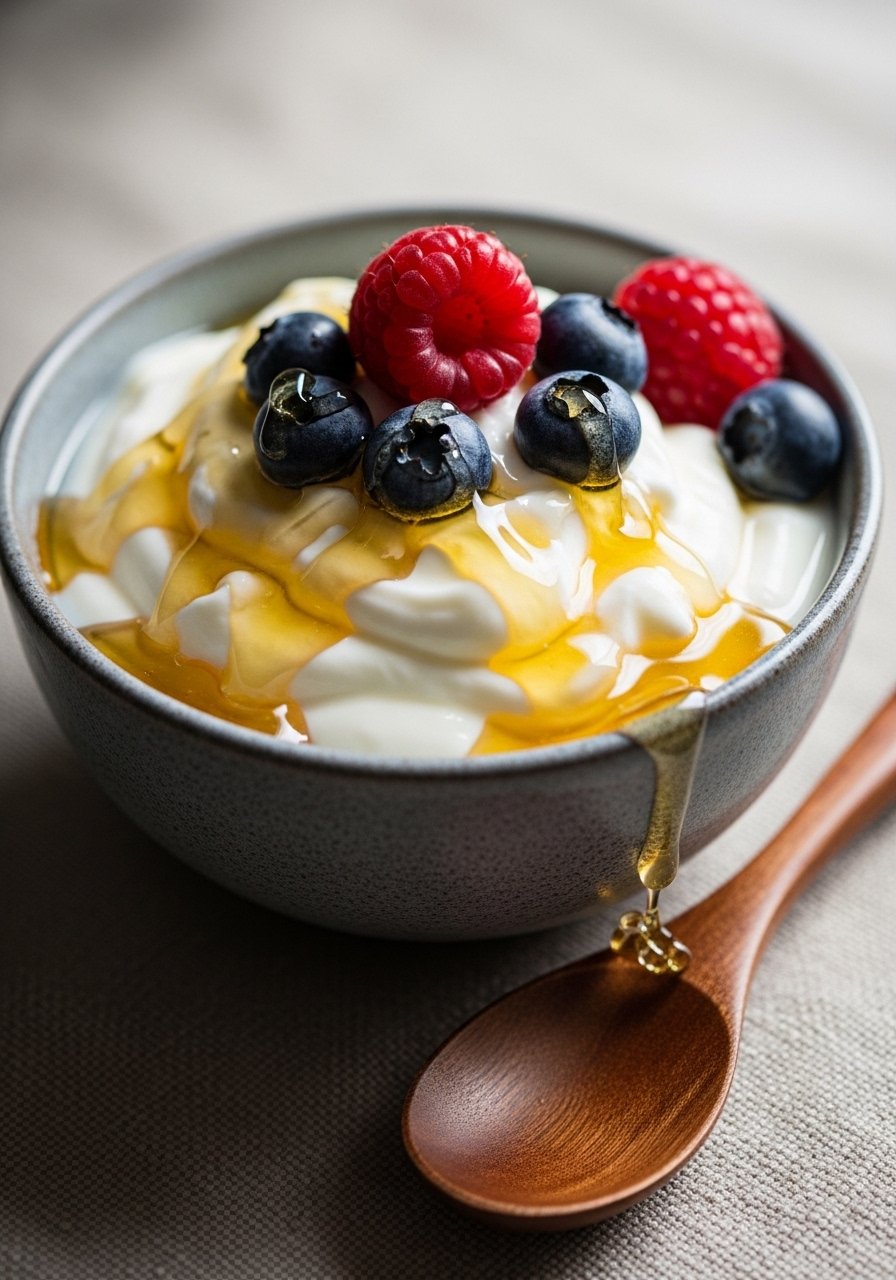
Tangy, creamy yogurt with a smooth texture. Use whole or low-fat milk for different richness. It’s perfect for breakfasts, smoothies, or as a base for dressings and dips.
Ingredients
- 1 liter (4 cups) whole milk or 2% milk
- 2 tablespoons plain live-culture yogurt (as starter)
- Optional: 1 teaspoon vanilla extract or 1–2 tablespoons honey
Step-by-Step Instructions
- Heat the milk: Warm milk to 180°F (82°C) in a saucepan, stirring occasionally to prevent scalding, about 8–10 minutes.
- Cool to inoculate: Remove from heat and cool to 110°F (43°C), testing with a thermometer.
- Add starter: Whisk 2 tablespoons of live yogurt into a small amount of warm milk, then stir back into the pot until smooth.
- Incubate: Transfer to jars, cover, and keep warm 6–10 hours (use an oven with light on or a yogurt maker).
- Chill and set: Refrigerate 2–4 hours before eating. Thicker yogurt can be strained through a cheesecloth.
2. Kefir Berry Smoothie
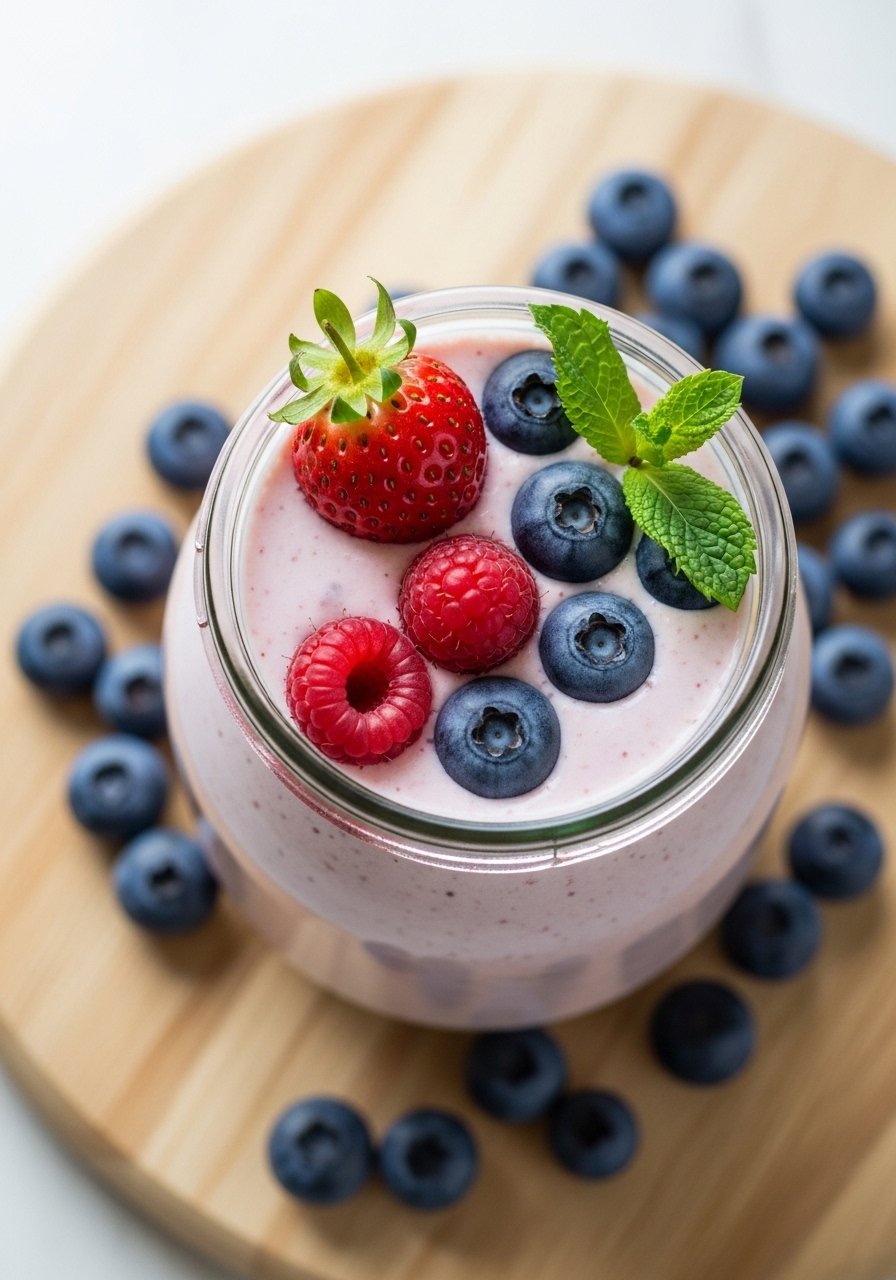
Creamy, slightly tart kefir smoothie with a silky mouthfeel. Kefir adds tang and live cultures—great for breakfast or a post-workout snack.
Ingredients
- 1 cup plain kefir
- 1/2 cup frozen mixed berries
- 1 small banana
- 1 tablespoon chia seeds (optional)
- 1 teaspoon honey or maple syrup
Step-by-Step Instructions
- Measure and combine: Place kefir, berries, banana, chia, and honey in a blender.
- Blend: Pulse on high 30–45 seconds until smooth and slightly frothy.
- Check texture: If too thick, add 2–4 tablespoons water or milk.
- Serve cold: Pour into a glass and garnish with extra berries.
3. Water Kefir Lemonade
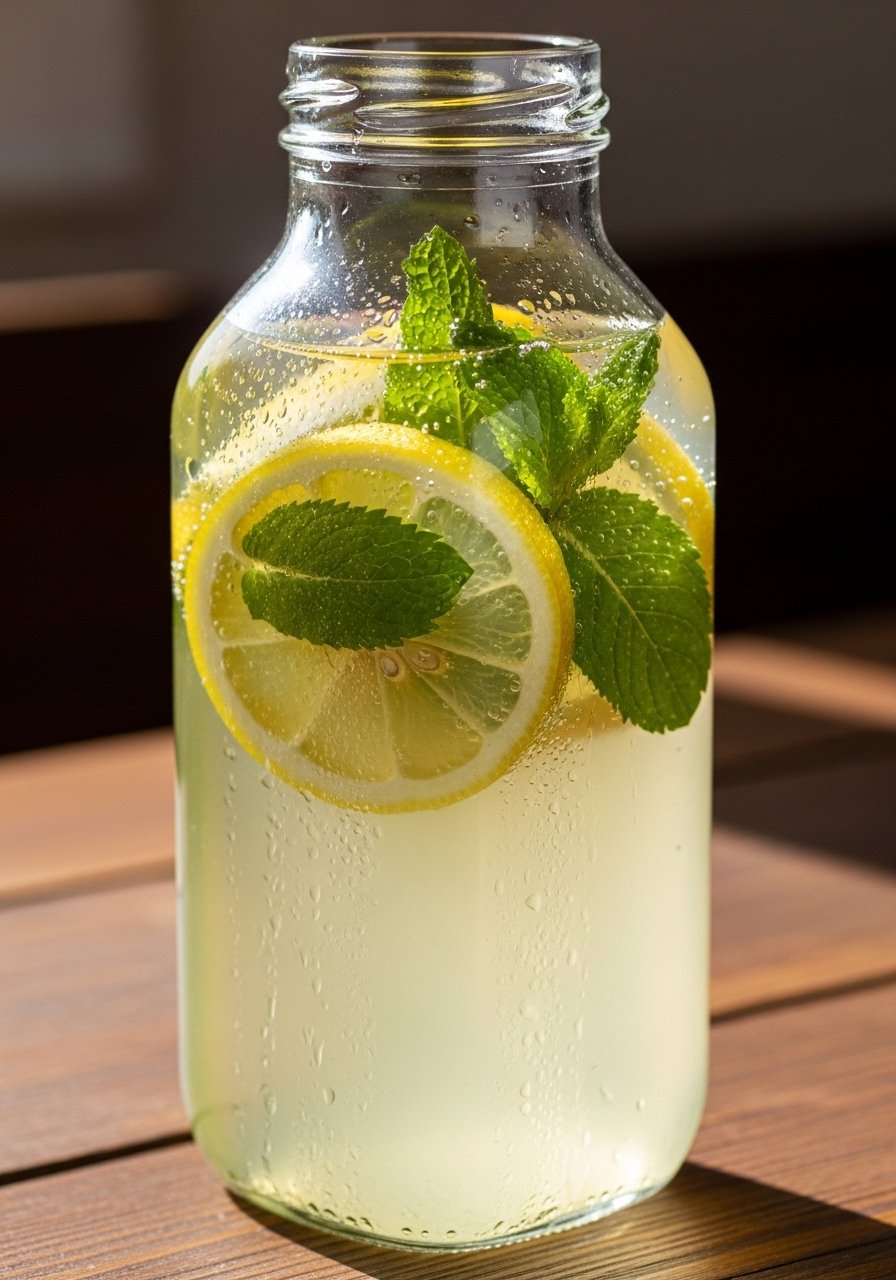
Lightly effervescent and tangy, water kefir is a dairy-free probiotic beverage. This lemon version is refreshing and low in sugar if you control the second fermentation.
Ingredients
- 1 cup water kefir grains (active)
- 4 cups filtered water
- 1/4 cup sugar (for feeding grains)
- Juice of 2 lemons + lemon slices for flavor
- Optional: fresh mint or sliced ginger
Step-by-Step Instructions
- Feed the grains: Dissolve sugar in warm water, add kefir grains in a jar, cover with cloth, ferment 24–48 hours at room temp.
- Strain: Strain grains through a plastic sieve into a clean bottle (reserve grains for next batch).
- Second ferment: Add lemon juice and slices, seal bottle, leave 12–24 hours for light fizz at room temp.
- Refrigerate and enjoy: Chill before opening. Open carefully to release pressure.
4. Ginger Citrus Kombucha (Simple Brew)
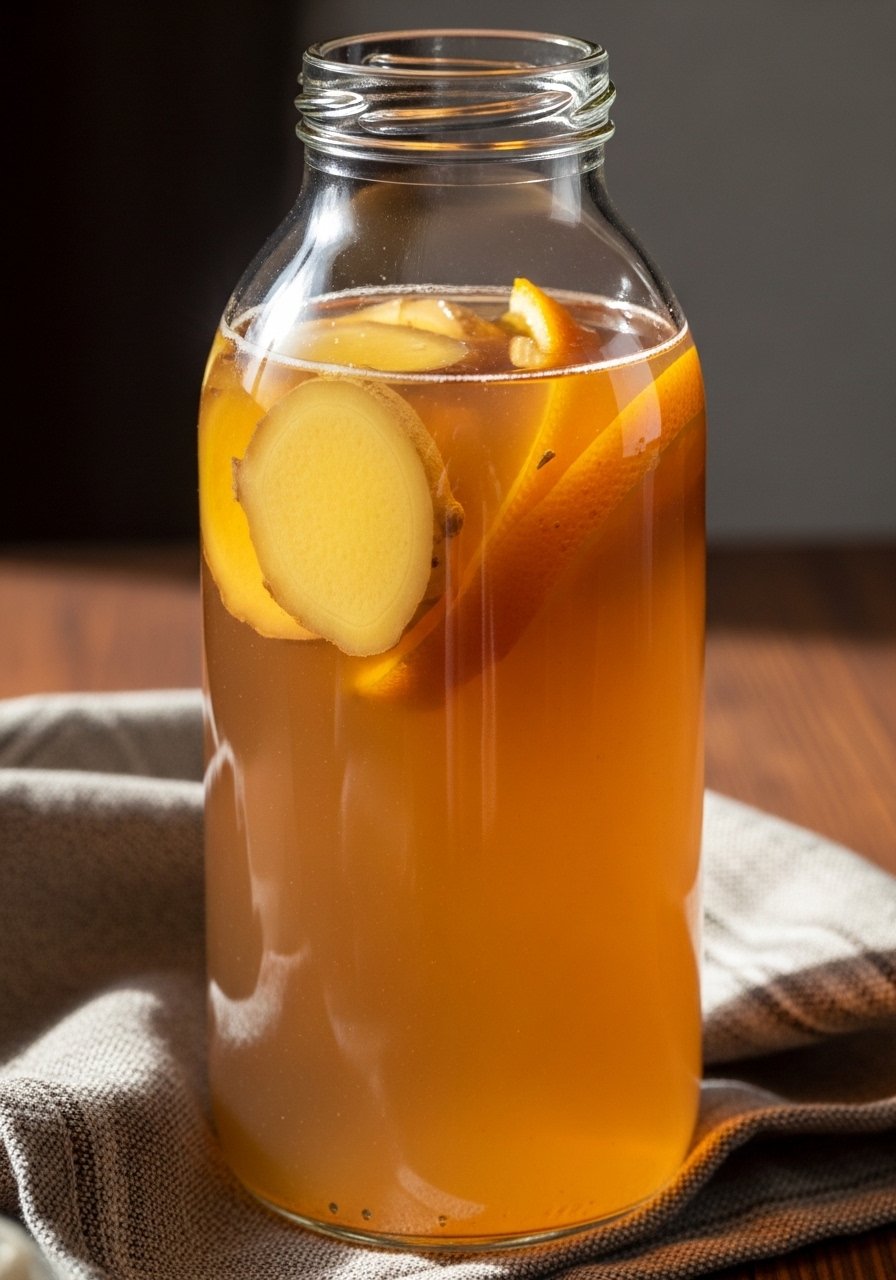
Fizzy, tart kombucha with bright ginger and citrus notes. Brewing takes days, but finished kombucha provides a lively probiotic drink.
Ingredients
- 1 SCOBY and 1 cup starter kombucha
- 1/2 cup cane sugar
- 8 bags black or green tea
- 3 liters filtered water
- 2-inch ginger, sliced; peel of 1 orange
Step-by-Step Instructions
- Brew sweet tea: Boil water, dissolve sugar, steep tea 10 minutes, cool to room temp.
- Combine with SCOBY: Pour into a glass jar, add starter kombucha and SCOBY, cover with cloth.
- Primary fermentation: Let ferment 7–10 days at room temperature away from direct sun. Taste after day 7.
- Flavor and second ferment: Remove SCOBY, add ginger and orange peel, bottle and leave 2–3 days for carbonation, then refrigerate.
5. Sourdough Pancakes

Light, tangy pancakes made with nourished sourdough starter—great way to use discard while keeping some beneficial microbes in your kitchen routine.
Ingredients
- 1 cup active sourdough starter (unfed discard OK)
- 1 cup milk
- 1 egg
- 1 tablespoon sugar or honey
- 1 cup all-purpose flour
- 1 teaspoon baking soda, pinch salt
- Butter or oil for cooking
Step-by-Step Instructions
- Mix wet ingredients: Whisk starter, milk, egg, and sugar until combined.
- Add dry: Stir in flour, salt, and baking soda until just mixed. Batter should be pourable.
- Heat pan: Preheat skillet over medium heat, add butter.
- Cook pancakes: Pour 1/4 cup batter, cook until bubbles form and edges set (2–3 minutes), flip and cook 1–2 minutes more. Serve warm.
6. Classic Sauerkraut
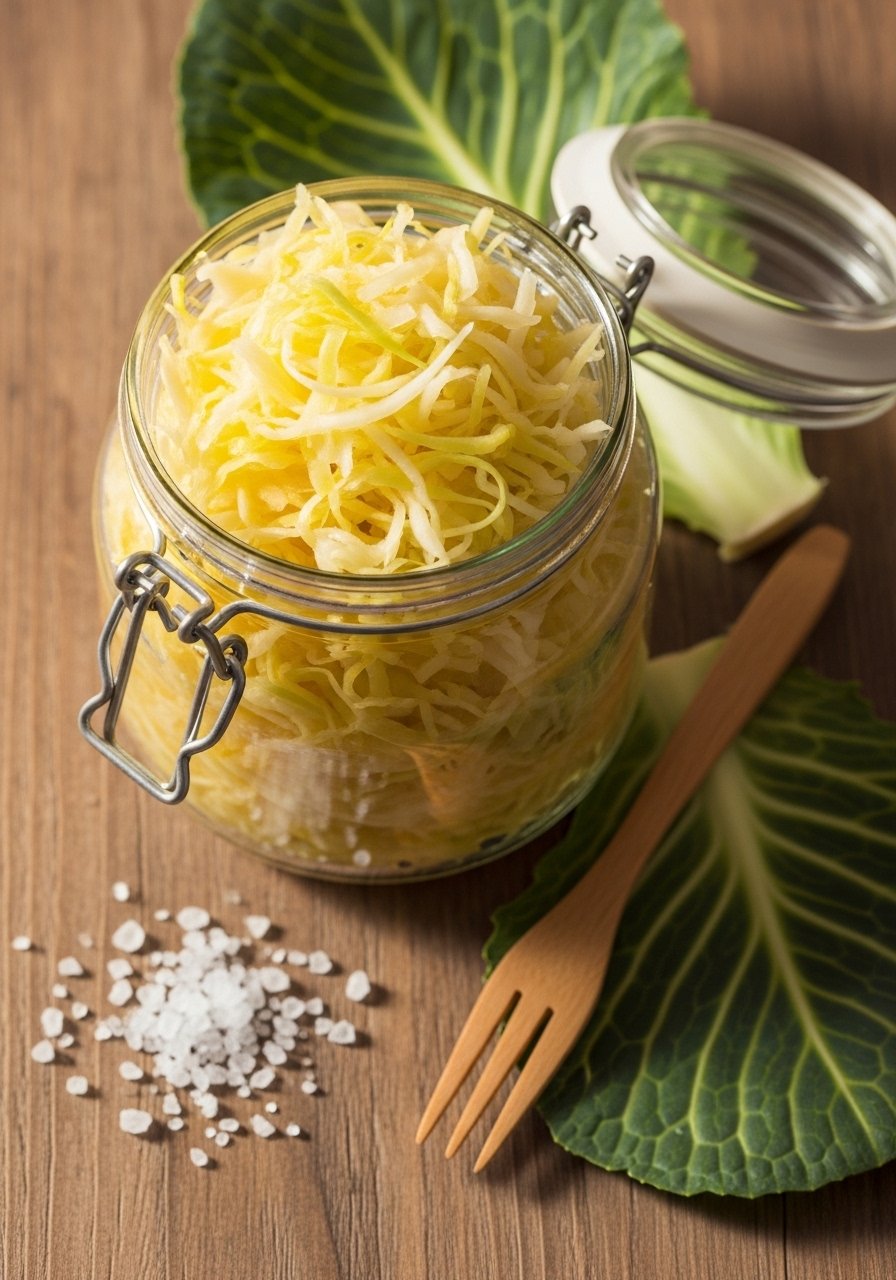
Crisp, tangy sauerkraut with a satisfying crunch. Fermented cabbage is packed with live cultures and pairs well with proteins or salads.
Ingredients
- 1 medium green cabbage (about 2 lbs), finely shredded
- 1–1.5 tablespoons sea salt
- Optional: 1 teaspoon caraway seeds
Step-by-Step Instructions
- Shred and salt: Toss shredded cabbage with salt in a large bowl; massage 5–10 minutes until liquid releases.
- Pack into jar: Pack cabbage firmly into a clean jar, pressing down so brine rises above cabbage.
- Weigh and cover: Place a fermentation weight or clean smaller jar on top to keep submerged. Cover with cloth.
- Ferment: Leave at room temp 1–3 weeks, tasting periodically. When tangy to your liking, seal and refrigerate.
(You may find a set of handy glass mason jars useful for this.)
7. Classic Kimchi
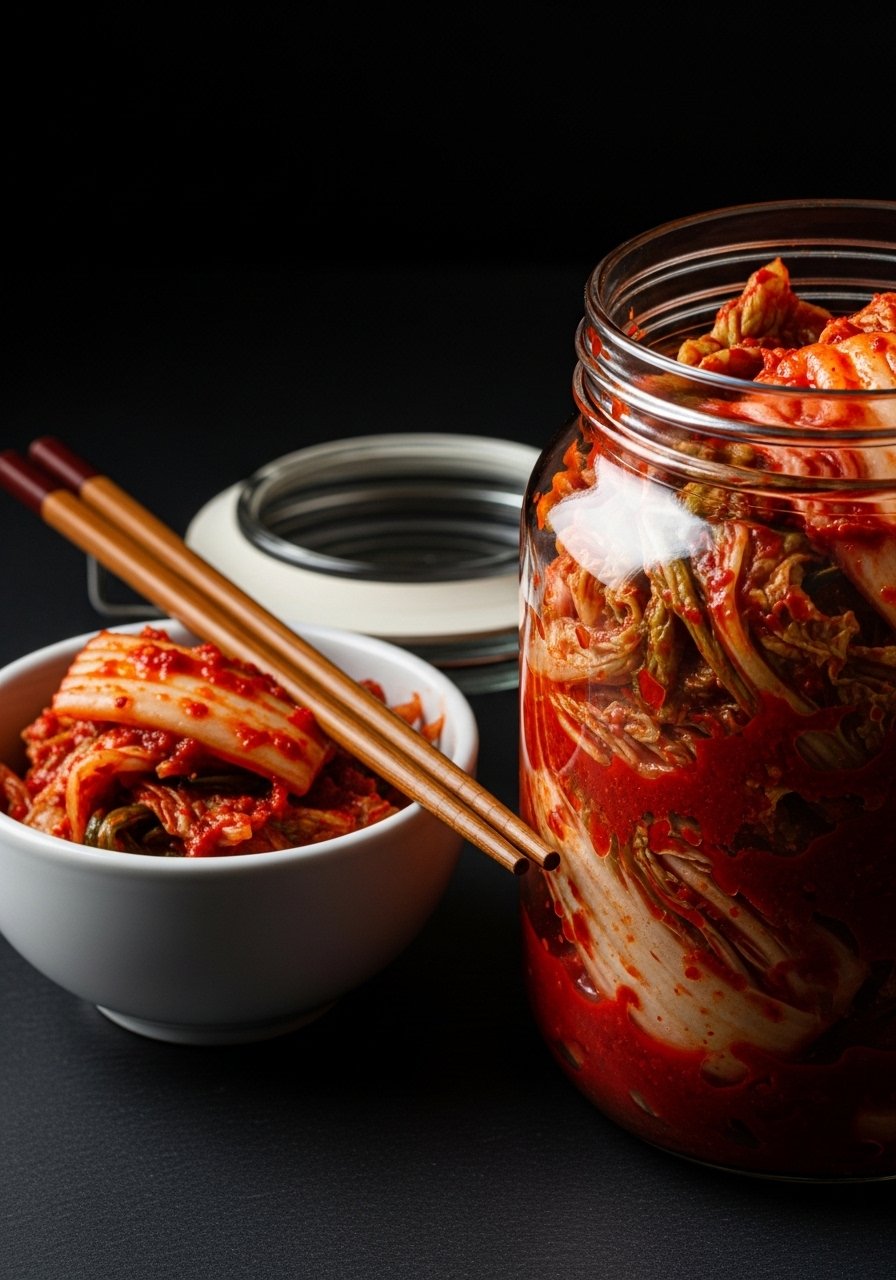
Bold, spicy, and crunchy, kimchi balances heat, garlic, and salt for robust fermented flavor. Serve with rice, salads, or as a savory side.
Ingredients
- 1 large napa cabbage, quartered and salted
- 1/4 cup sea salt (for cabbage)
- 1 tablespoon grated ginger, 4 cloves garlic, minced
- 2–3 tablespoons gochugaru (Korean chili flakes) or to taste
- 2 carrots, julienned; 4 scallions, sliced
- 2 tablespoons fish sauce or tamari
Step-by-Step Instructions
- Salt the cabbage: Soak cabbage in salted water 4–6 hours until wilted; rinse and drain.
- Make paste: Mix ginger, garlic, chili flakes, fish sauce, and a splash of water to make a paste.
- Combine vegetables: Toss cabbage, carrots, and scallions with the paste until evenly coated.
- Pack and ferment: Pack into a jar, compress to release juices, keep submerged, ferment 3–7 days at room temp, then refrigerate.
8. Lacto-Fermented Dill Pickles
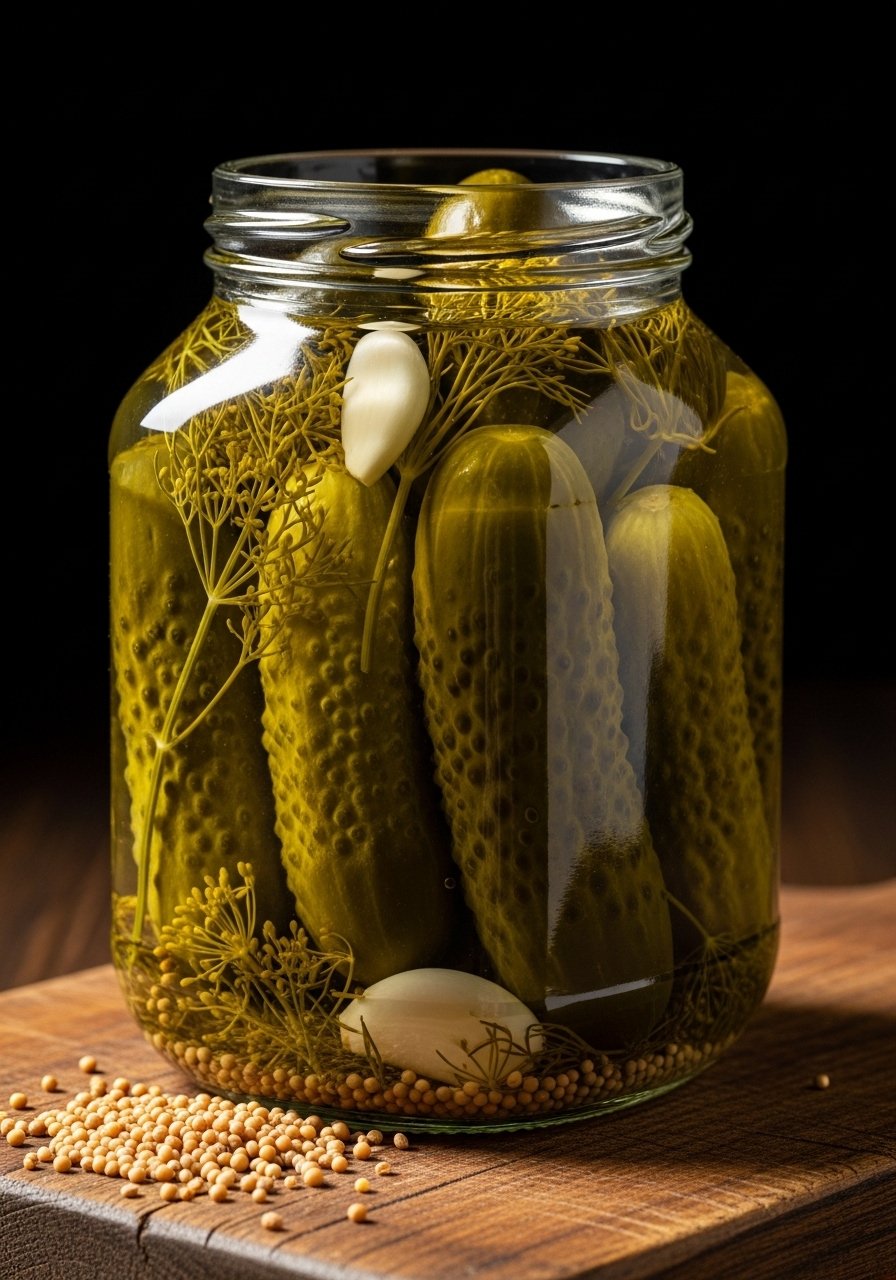
Tangy cucumbers fermented in a simple brine for crunchy, probiotic-rich pickles. Fermented pickles are less vinegary and more lively than canned varieties.
Ingredients
- 1 lb small pickling cucumbers, scrubbed
- 4 cloves garlic, peeled
- 2–3 sprigs fresh dill
- 1 tablespoon whole mustard seeds
- 2 cups water + 1.5 tablespoons sea salt (brine)
Step-by-Step Instructions
- Prepare brine: Dissolve salt in water to make a brine.
- Pack jar: Put garlic, dill, and mustard seeds in jar, add cucumbers, pour brine to cover.
- Weigh down: Use a fermentation weight to keep cucumbers submerged. Cover with cloth.
- Ferment: Let sit 5–10 days at room temp until flavor is tangy, then refrigerate.
9. Beet Kvass
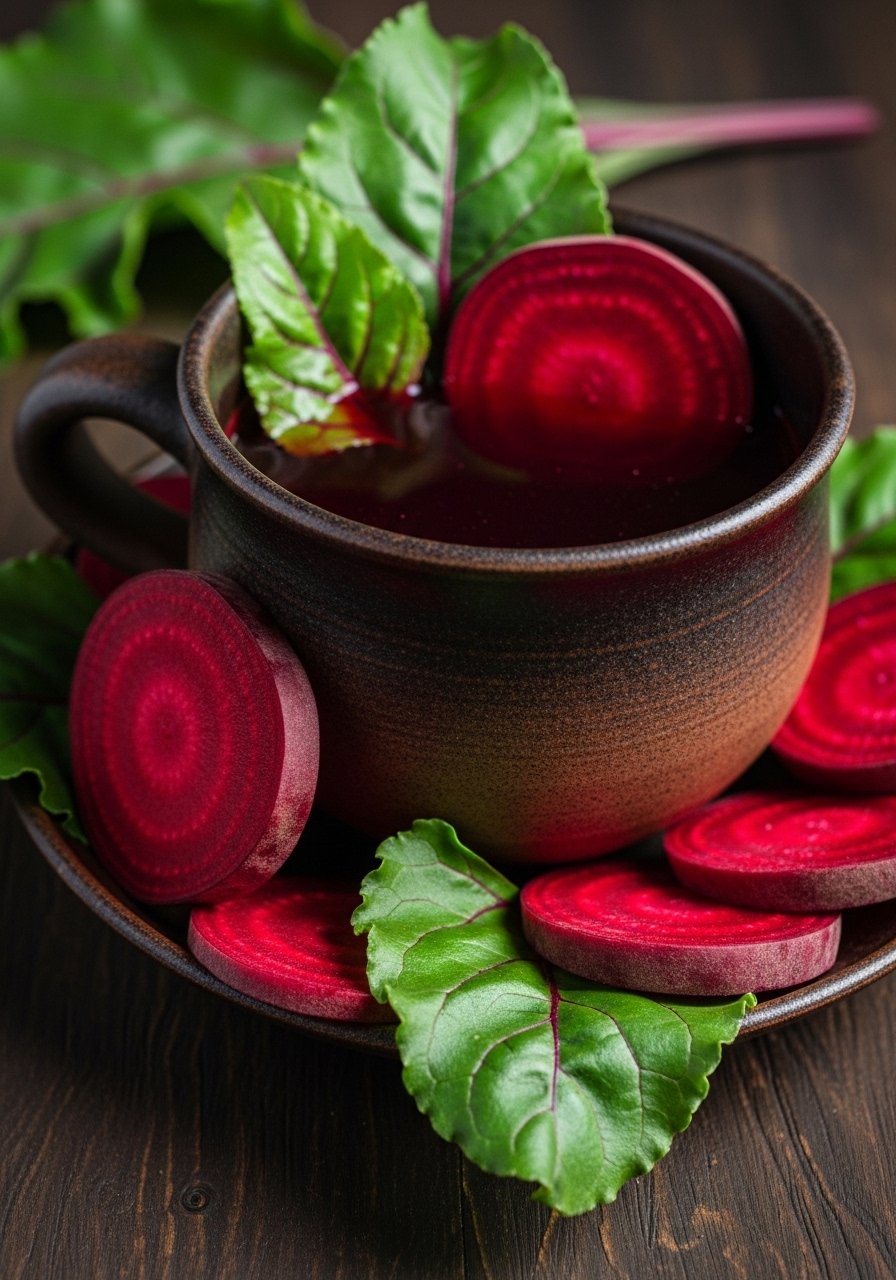
Earthy, slightly salty, and vibrant, beet kvass is a traditional fermented drink believed to support digestion. It’s easy to make and unique in flavor.
Ingredients
- 2 medium beets, scrubbed and chopped
- 1 tablespoon sea salt
- 4 cups filtered water
- Optional: 1 teaspoon whey or starter brine
Step-by-Step Instructions
- Combine ingredients: Place beets in a jar, add salt and water to cover.
- Add starter (optional): Stir in whey or a splash of previous kvass to jump-start fermentation.
- Ferment: Cover with cloth and ferment 3–7 days at room temp, tasting for desired tang.
- Strain and refrigerate: Remove beets, bottle liquid, and chill. Reserve beets for salads or another ferment.
10. Fermented Carrot Sticks
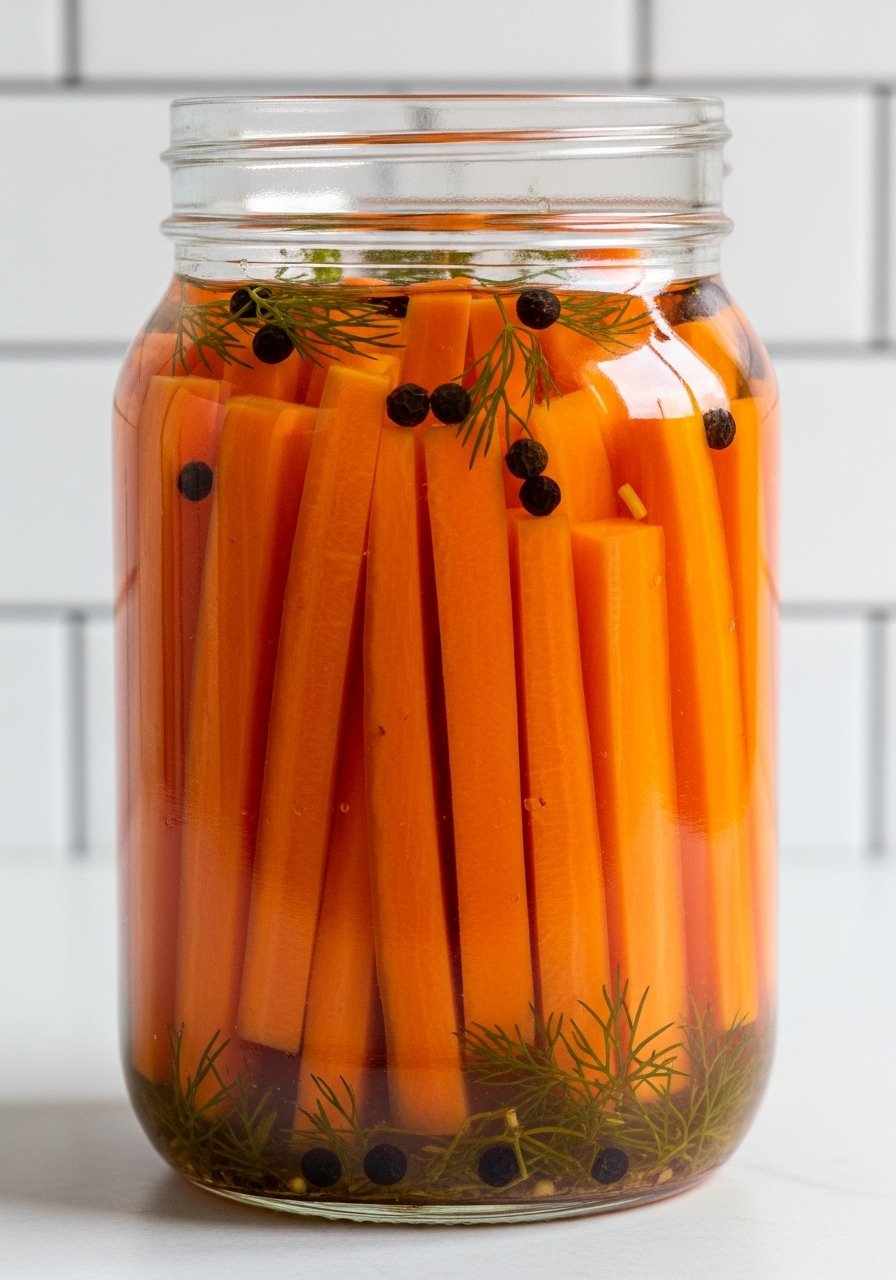
Crisp, slightly sour carrot sticks are a satisfying probiotic snack. They keep in the fridge and brighten salads or trays of raw vegetables.
Ingredients
- 4 large carrots, peeled and cut into sticks
- 1.5 cups water + 1 tablespoon sea salt (brine)
- 1 garlic clove, peppercorns, and dill sprig per jar
Step-by-Step Instructions
- Pack carrots: Place carrot sticks and flavorings in a jar.
- Add brine: Pour saltwater to cover carrots, leaving 1/2 inch headspace.
- Weigh down: Keep carrots submerged with a weight, cover with cloth.
- Ferment and chill: Let ferment 5–7 days at room temperature, then refrigerate.
11. Fermented Salsa
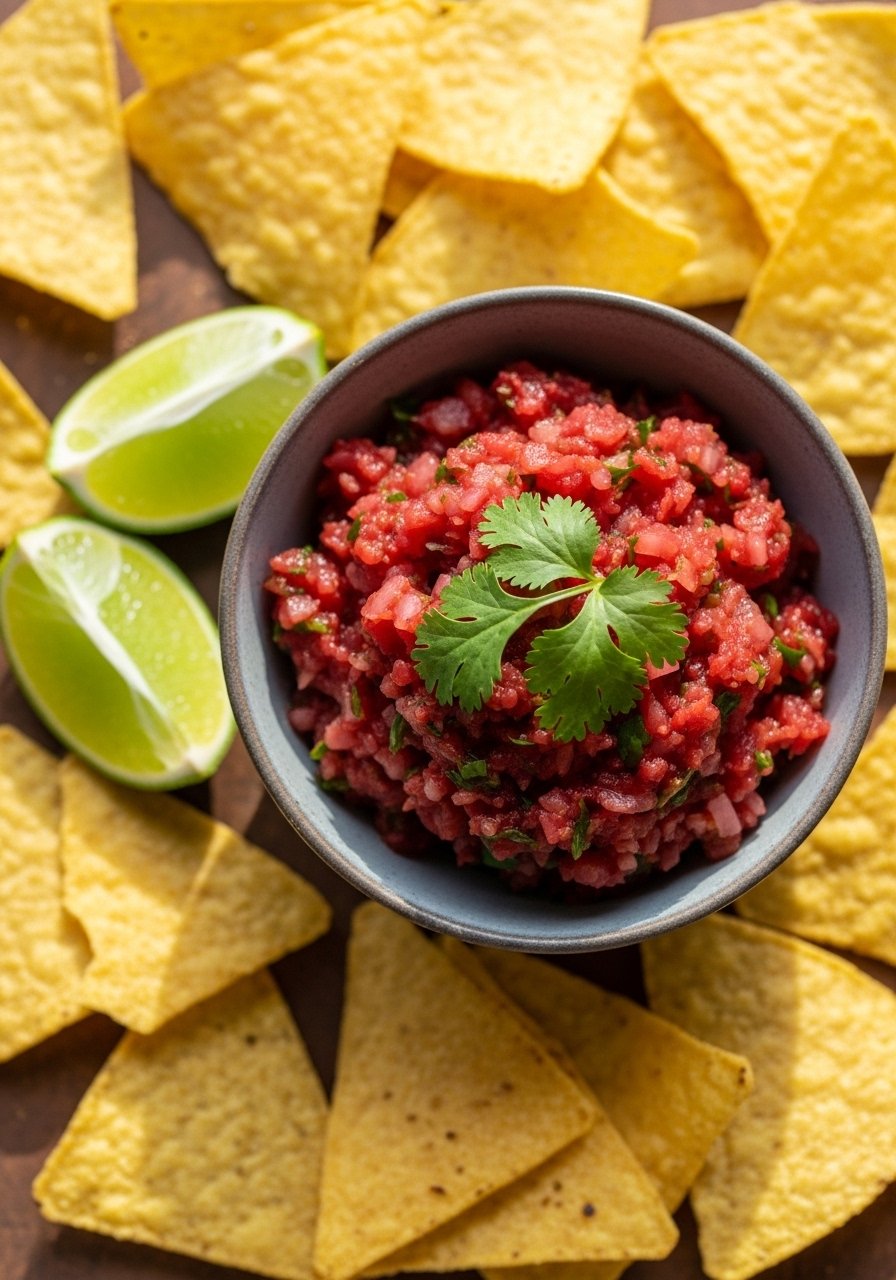
A tangy, probiotic-rich salsa with complex flavor from fermentation. Great with chips, grilled fish, or as a topping for eggs and bowls.
Ingredients
- 4 ripe tomatoes, diced
- 1 small onion, finely chopped
- 1 jalapeño, seeded and chopped
- 1/4 cup chopped cilantro
- 1 teaspoon sea salt
Step-by-Step Instructions
- Mix ingredients: Combine tomatoes, onion, jalapeño, cilantro, and salt in a bowl.
- Pack and press: Pack salsa into a jar and press down to release juices so it’s submerged.
- Cover and ferment: Cover with cloth and ferment 24–48 hours at room temp until tangy.
- Refrigerate: Seal and refrigerate; uses as you would regular salsa.
12. Miso Soup With Scallions
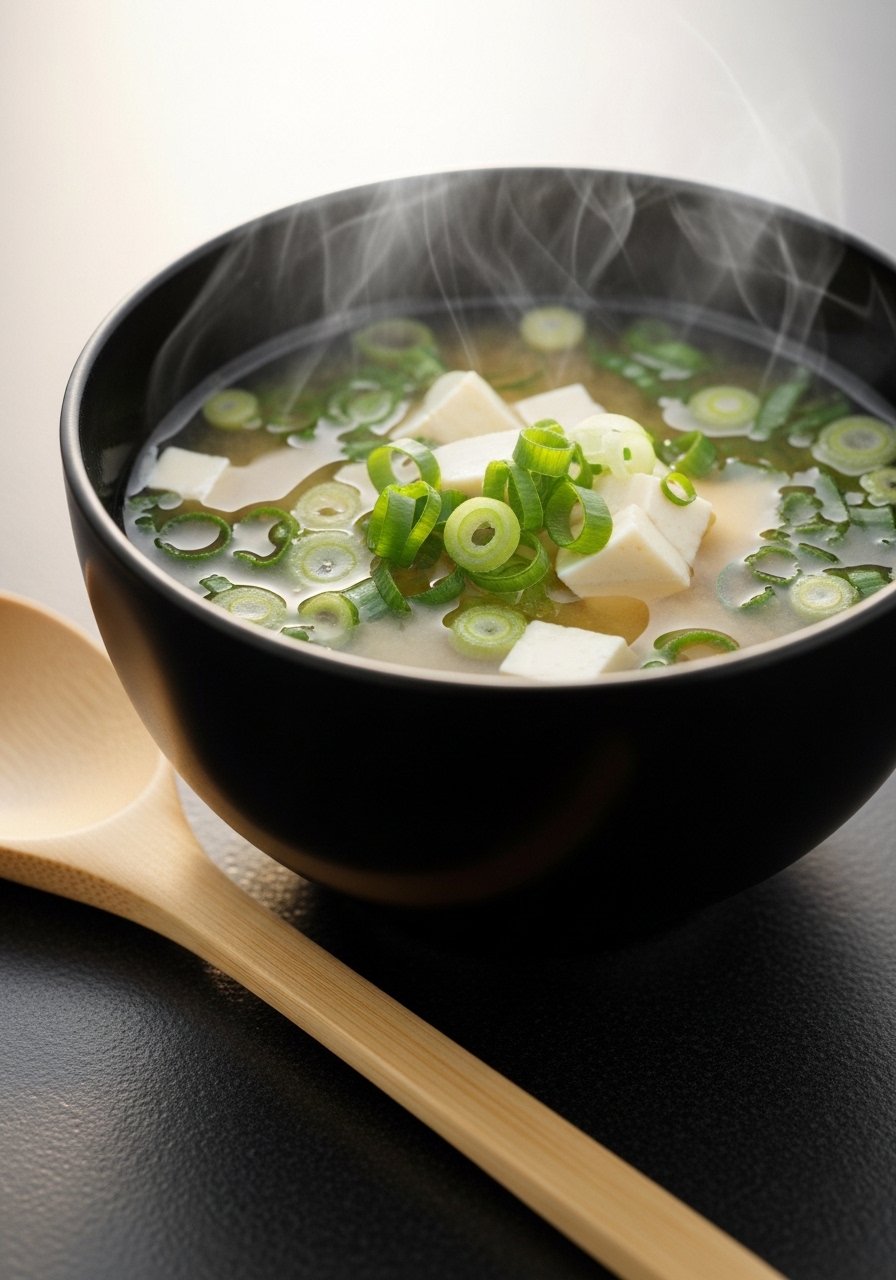
Comforting and savory, miso soup offers live cultures when miso is added at low heat. Keep it simple to preserve beneficial enzymes.
Ingredients
- 4 cups dashi or vegetable broth, just below simmering
- 2 tablespoons miso paste (white or red)
- 1/2 cup soft tofu, cubed
- 2 scallions, sliced
Step-by-Step Instructions
- Warm the broth: Heat broth until just steaming, not boiling (boiling kills some cultures).
- Dissolve miso: Put miso in a bowl, add a ladle of warm broth, whisk until smooth, then return to pot.
- Add tofu and scallions: Gently warm tofu in soup 1–2 minutes.
- Serve immediately: Ladle into bowls and garnish with scallions.
13. Tempeh Sesame Stir-Fry
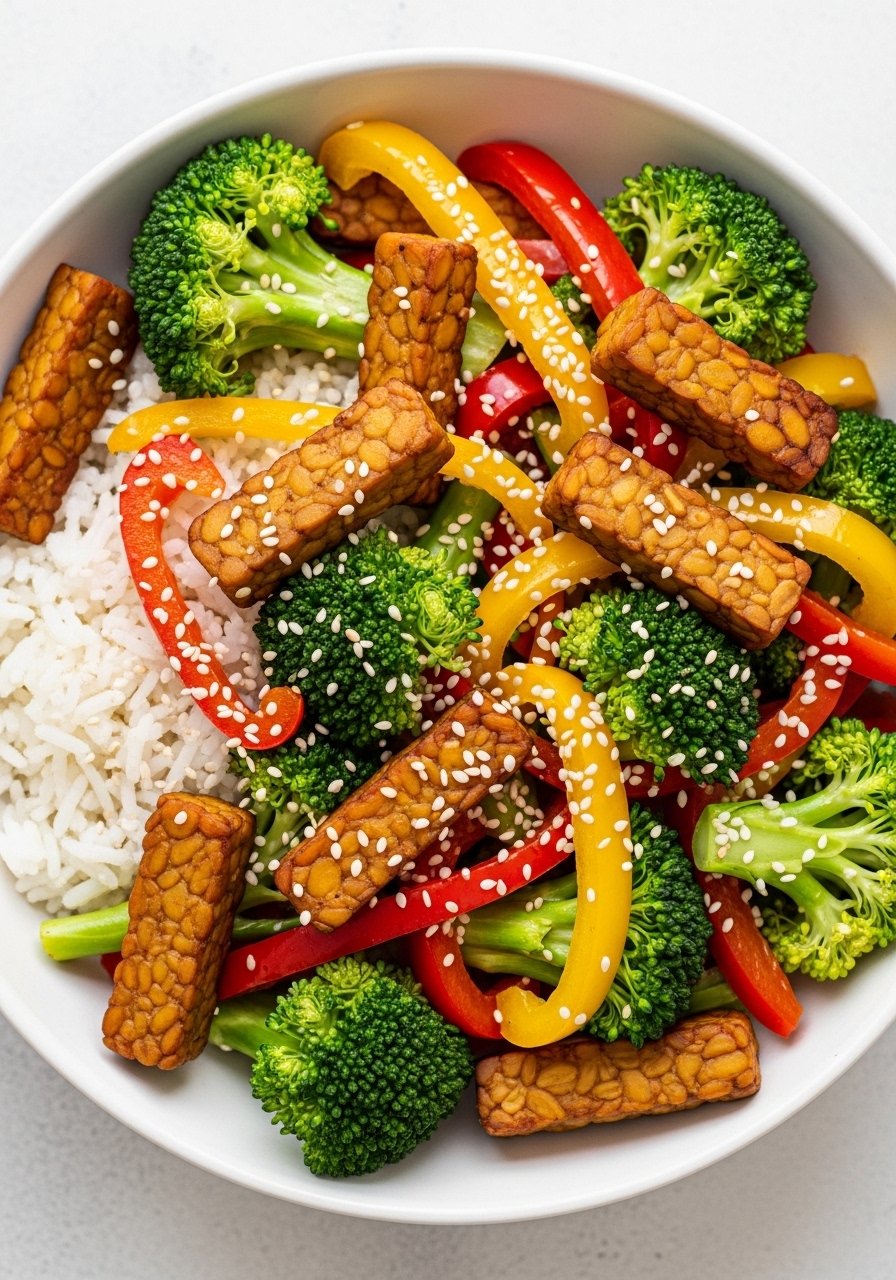
Firm, nutty tempeh is fermented soy with a hearty texture. This quick stir-fry keeps it crisp and flavorful with sesame and soy.
Ingredients
- 8 oz tempeh, cut into cubes
- 1 tablespoon sesame oil
- 2 cups mixed vegetables (broccoli, bell pepper)
- 2 tablespoons tamari or soy sauce
- 1 teaspoon grated ginger, 1 clove garlic
- 1 tablespoon sesame seeds
Step-by-Step Instructions
- Pan-fry tempeh: Heat oil over medium-high, brown tempeh cubes 3–4 minutes per side until golden.
- Sauté aromatics: Add ginger and garlic, cook 30 seconds until fragrant.
- Add vegetables: Stir-fry vegetables 4–6 minutes until crisp-tender.
- Finish with sauce: Stir in tamari, sesame seeds, and toss to coat. Serve over rice.
14. Natto Rice Bowl
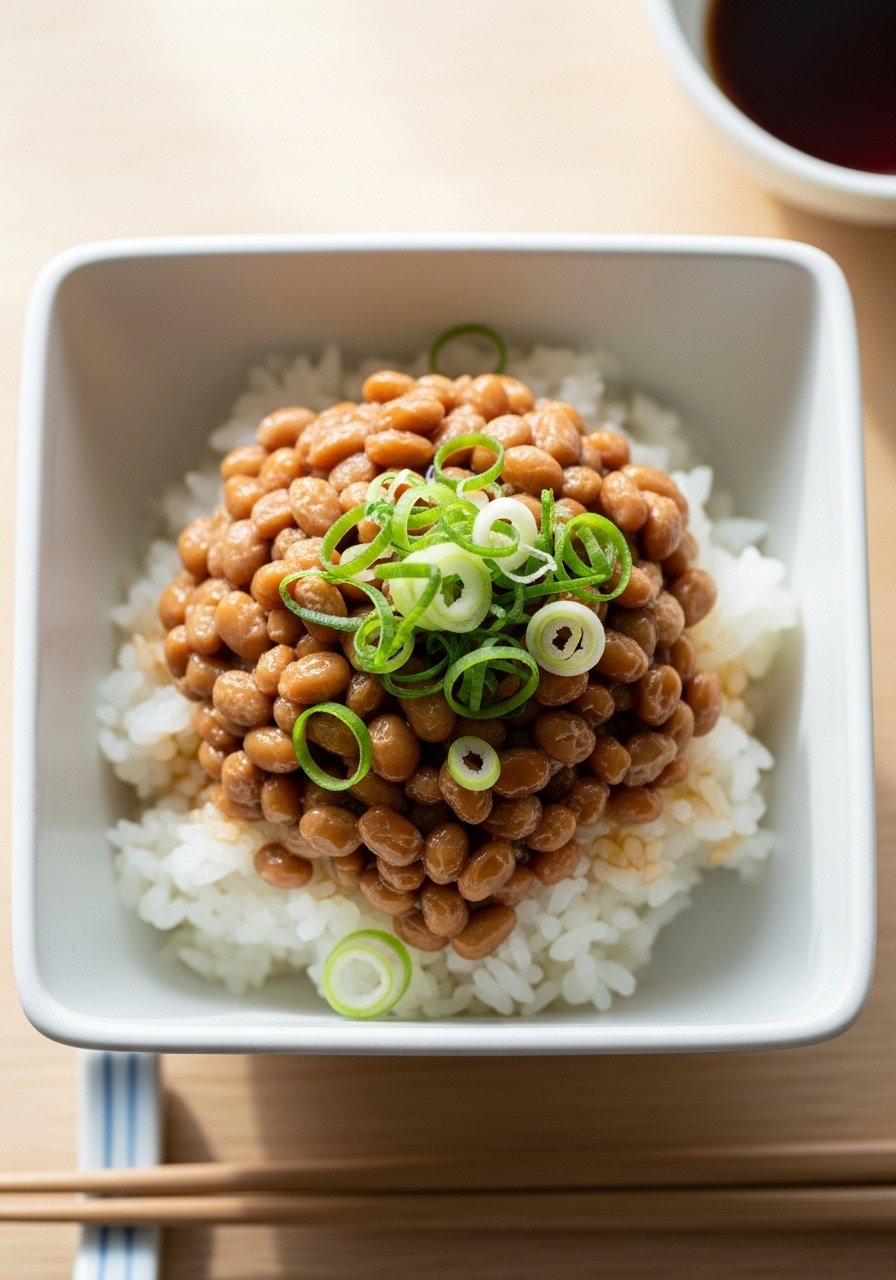
Natto is a traditional Japanese fermented soybean with a strong flavor and sticky texture. It’s protein-packed and often eaten with rice and scallions.
Ingredients
- 1 packet natto (about 40–50 g)
- 1 bowl cooked short-grain rice
- 1 scallion, thinly sliced
- 1 teaspoon soy sauce or tamari
Step-by-Step Instructions
- Prepare rice: Warm cooked rice in a bowl.
- Mix natto: Stir natto vigorously in its container for 20–30 seconds to develop stickiness.
- Assemble bowl: Spoon natto over rice, add scallions, and drizzle soy sauce.
- Eat immediately: Stir together and enjoy while warm.
15. Labneh (Strained Yogurt Cheese)
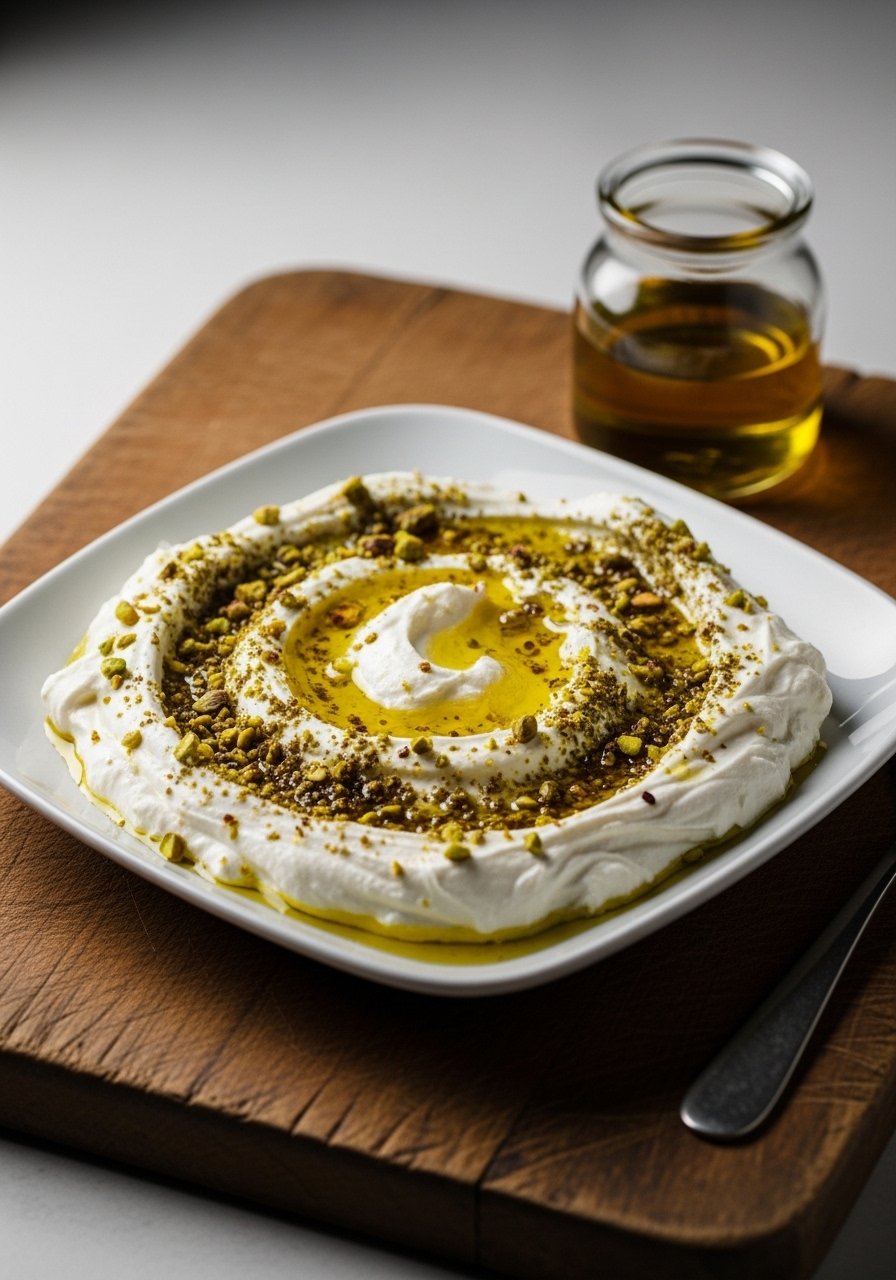
Thick, tangy labneh is strained yogurt with a spreadable texture—perfect for toast, dips, or as a savory snack with olive oil and herbs.
Ingredients
- 2 cups plain yogurt (full-fat recommended)
- 1/2 teaspoon salt
- Olive oil, za’atar, or chopped herbs for serving
Step-by-Step Instructions
- Season yogurt: Stir salt into yogurt.
- Strain: Line a sieve with cheesecloth over a bowl, pour yogurt in, tie cloth, and refrigerate 12–24 hours to strain.
- Check texture: When thick and creamy, transfer to a serving bowl.
- Serve: Drizzle with olive oil and sprinkle herbs.
(You can strain labneh easily with a nut milk bag.)
16. Yogurt Cucumber Raita
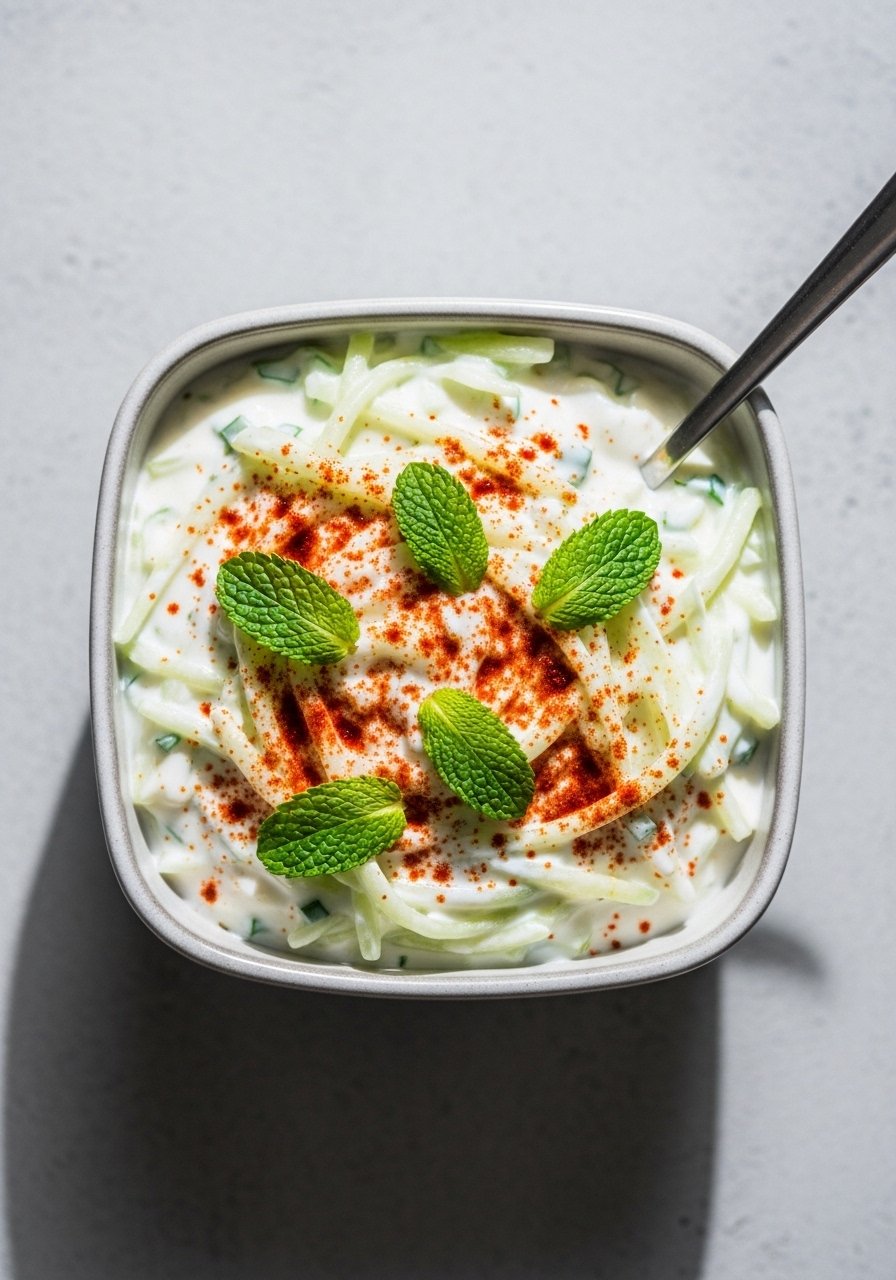
Cooling and creamy, raita combines yogurt with cucumber and spices—great alongside spicy dishes to balance heat and add probiotics.
Ingredients
- 1 cup plain yogurt
- 1/2 cucumber, grated and drained
- 1/4 teaspoon ground cumin, pinch salt
- 1 tablespoon chopped fresh mint or cilantro
Step-by-Step Instructions
- Prepare cucumber: Grate cucumber, squeeze out excess water with a towel.
- Mix: Combine yogurt, cucumber, cumin, salt, and herbs in a bowl.
- Chill: Refrigerate 15–30 minutes to let flavors meld.
- Serve: Spoon as a side with spicy meals or grain bowls.
17. Kefir Chia Pudding
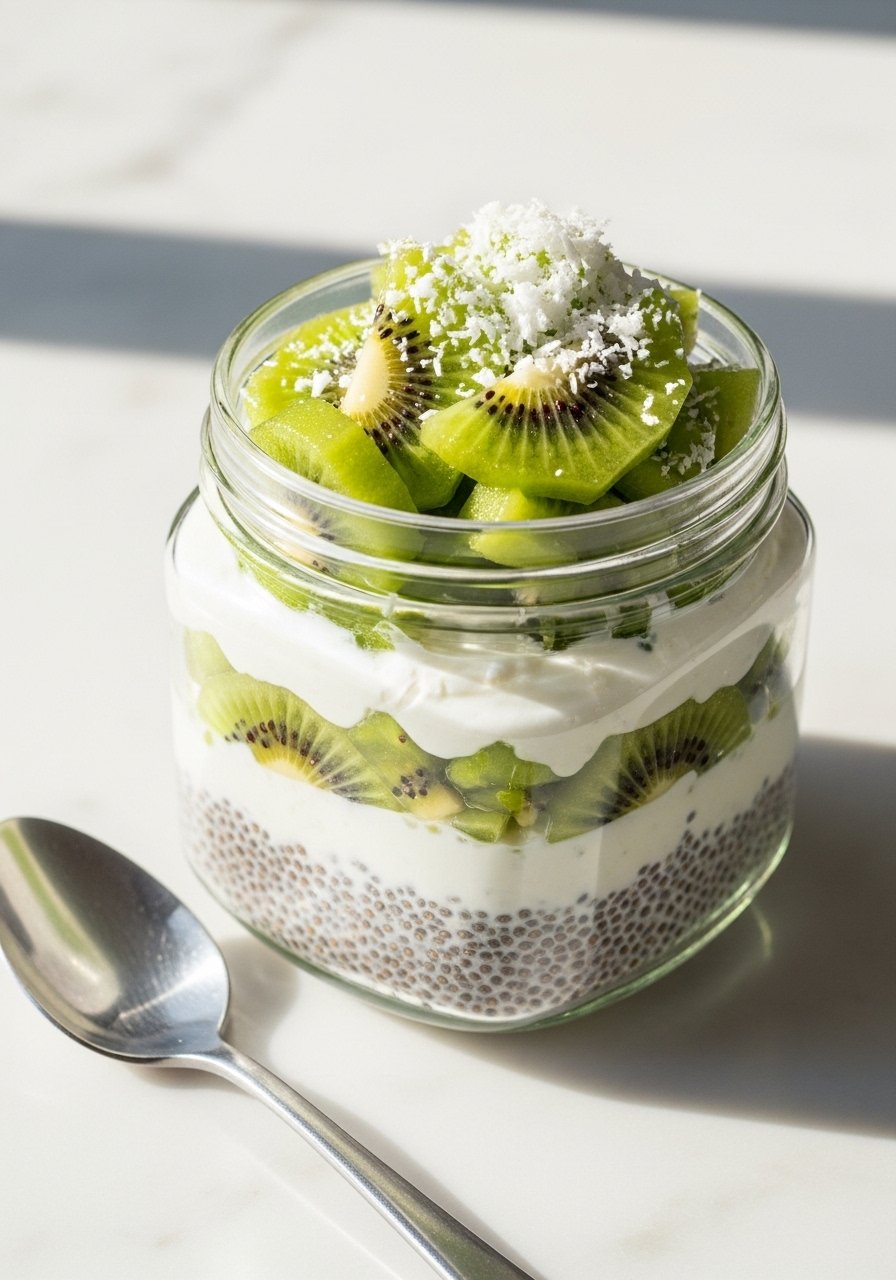
Silky chia pudding made with kefir adds probiotics to a fiber-rich breakfast or snack. It thickens overnight and adapts to any fruit topping.
Ingredients
- 1 cup plain kefir
- 3 tablespoons chia seeds
- 1 teaspoon maple syrup or honey
- Fresh fruit for topping
Step-by-Step Instructions
- Combine: Whisk kefir, chia seeds, and sweetener in a jar.
- Rest: Let sit 10 minutes, stir again to prevent clumps.
- Refrigerate overnight: Chill at least 4 hours or overnight until thick.
- Top and serve: Stir, add fruit, and enjoy cold.
18. Probiotic Overnight Oats With Yogurt
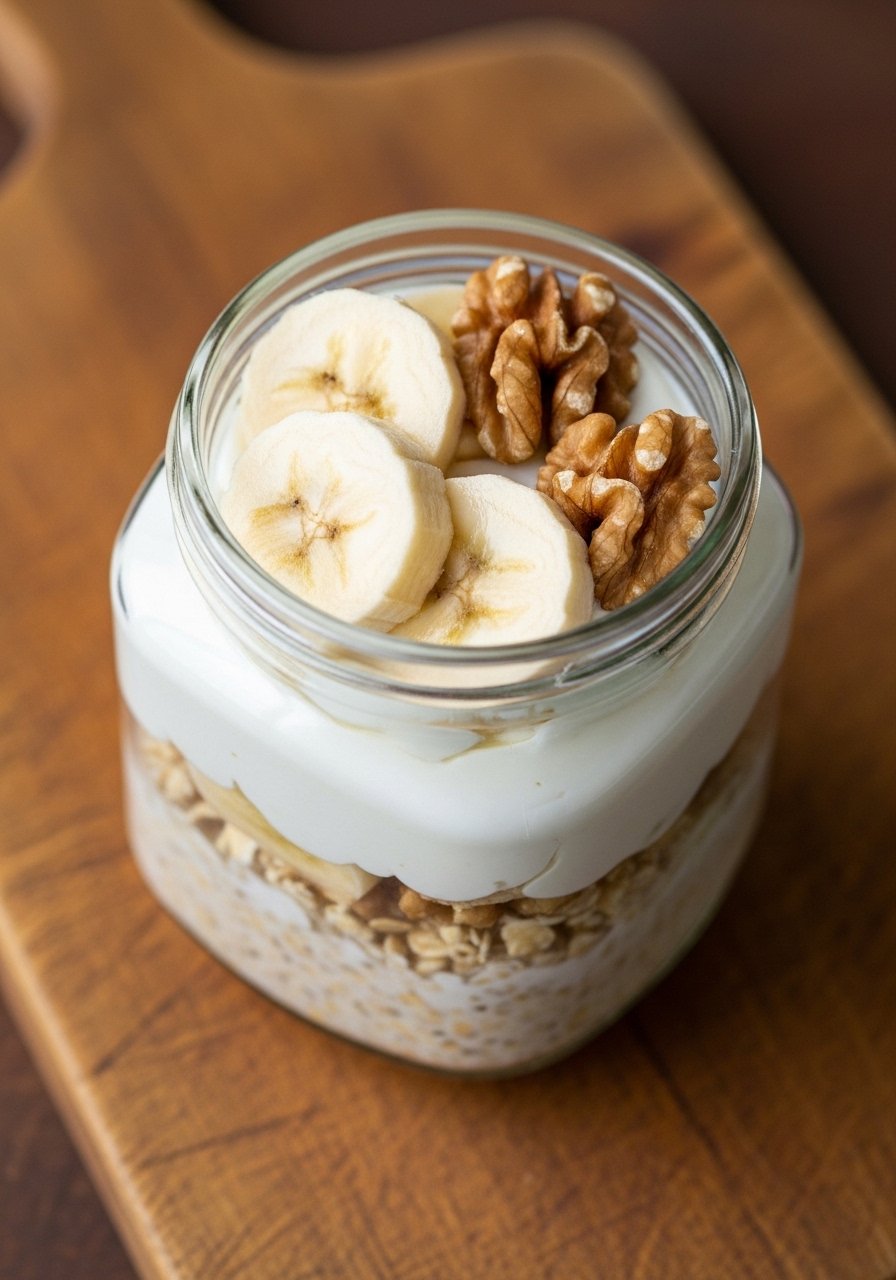
Creamy overnight oats blended with yogurt create a probiotic-rich breakfast that’s portable and customizable with fruits and seeds.
Ingredients
- 1/2 cup rolled oats
- 1/2 cup plain yogurt
- 1/2 cup milk or plant milk
- 1 tablespoon chia or flaxseed
- 1 teaspoon honey and fruit for topping
Step-by-Step Instructions
- Combine base: Stir oats, yogurt, milk, seeds, and honey in a jar.
- Refrigerate: Cover and chill overnight (8 hours) for thick oats.
- Stir and adjust: Add more milk if too thick in the morning.
- Top: Finish with fresh fruit and nuts.
19. Fermented Hot Sauce
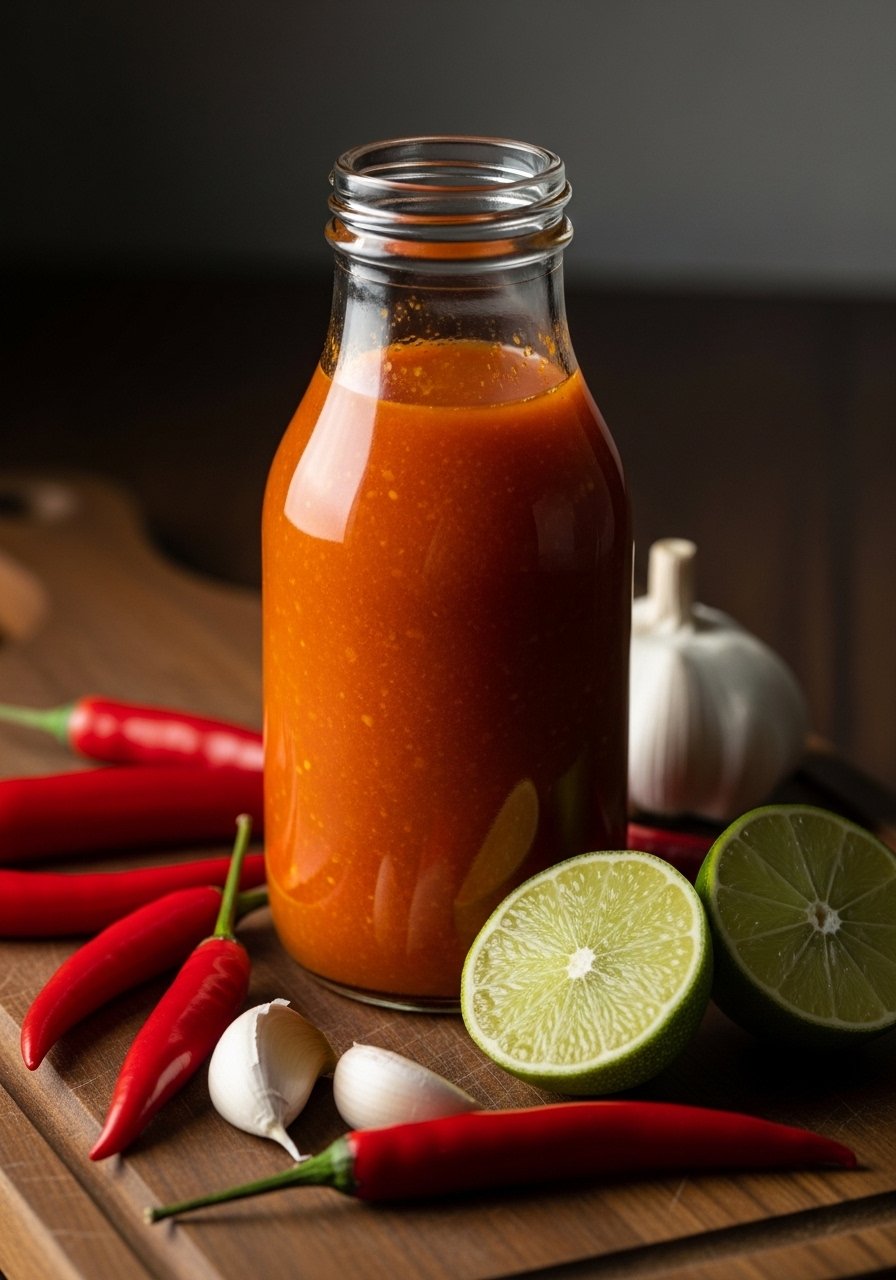
Fiery and tangy, fermented hot sauce brings complex heat and live cultures to tacos, eggs, and marinades. Fermentation rounds out raw chili bite.
Ingredients
- 10–12 hot peppers (mix of types)
- 4 cloves garlic
- 1 tablespoon sea salt
- 1 cup water
Step-by-Step Instructions
- Blend peppers: Roughly chop peppers, blend with garlic, salt, and water to a coarse puree.
- Pack jar: Transfer into a jar, pressing to remove air pockets and leaving 1 inch headspace.
- Ferment: Cover with cloth and ferment 5–14 days, tasting for desired tang.
- Blend and bottle: After fermenting, blend smooth and strain if desired, then refrigerate.
20. Fermented Apple Ginger Chutney
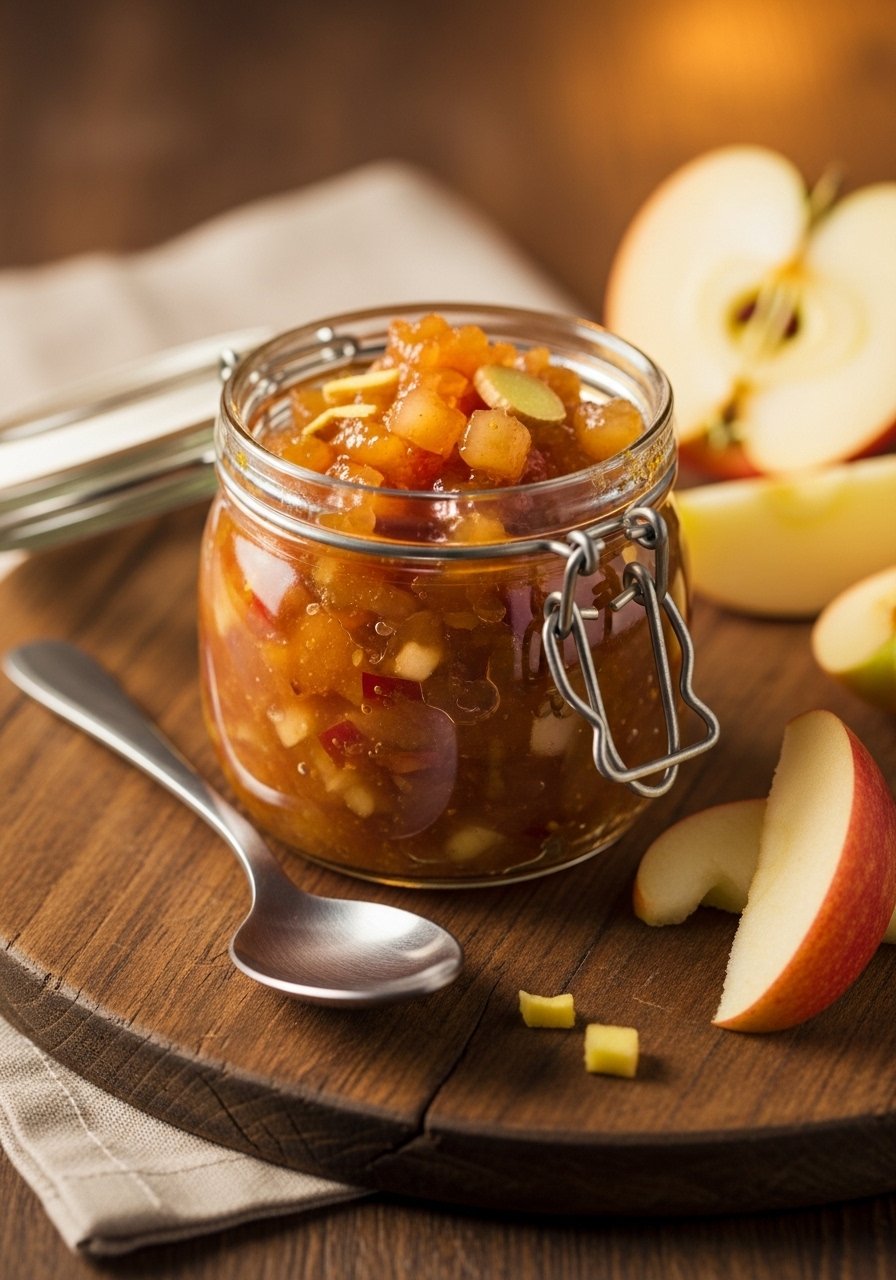
Sweet, spicy, and tangy, this fermented chutney pairs with cheeses, roasted vegetables, or sandwiches—gentle fermentation brings depth of flavor.
Ingredients
- 3 apples, peeled and chopped
- 1-inch ginger, grated
- 1/2 cup chopped onion
- 1 teaspoon sea salt
Step-by-Step Instructions
- Mix ingredients: Combine apples, ginger, onion, and salt in a bowl.
- Pack jar: Press mixture into a jar to release juices and keep submerged.
- Ferment: Leave 3–7 days at room temp, stirring daily and tasting for balance.
- Refrigerate: Once tangy, refrigerate and use alongside meals.
21. Fermented Beet And Apple Salad
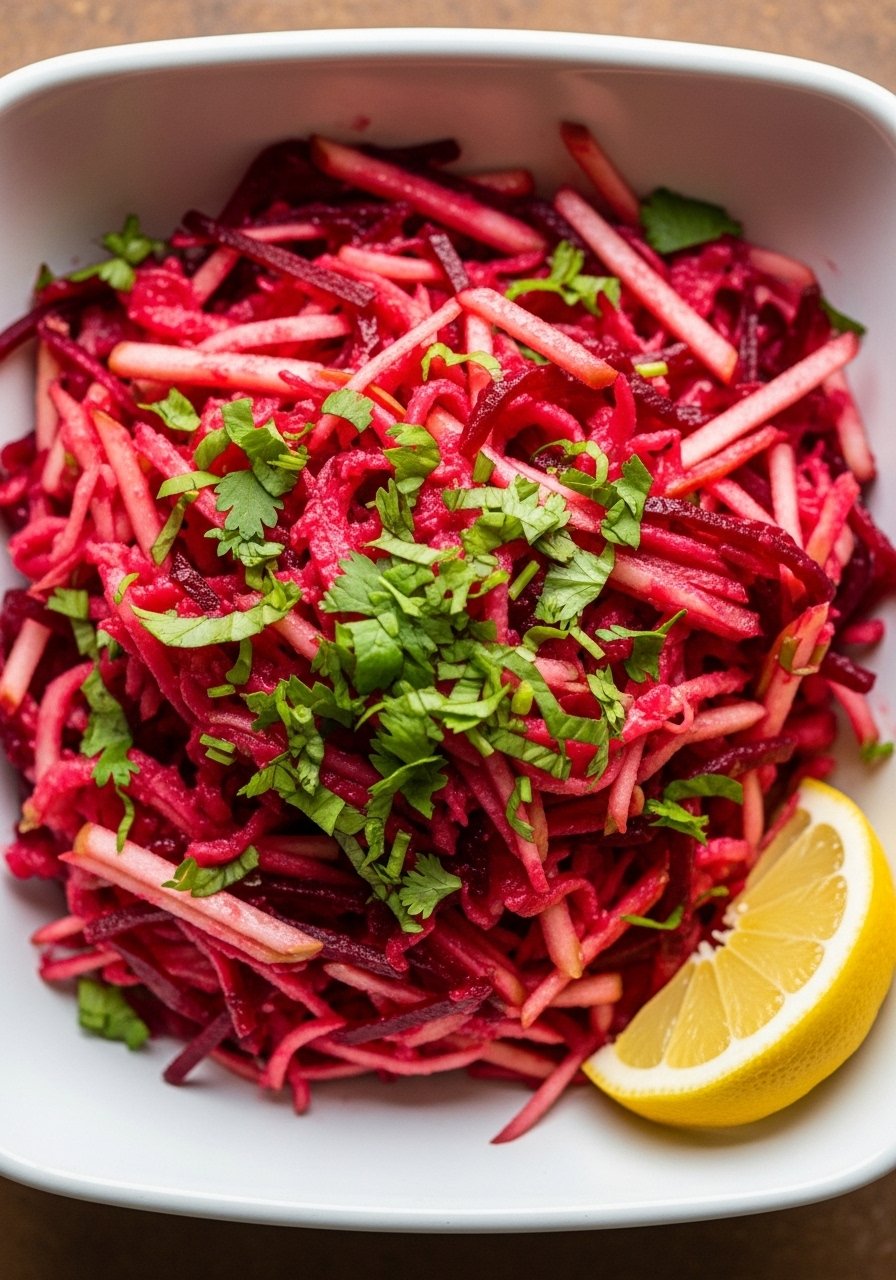
A bright, slightly sweet-and-sour salad that combines beets and apples. Fermentation softens flavors and adds beneficial bacteria.
Ingredients
- 2 medium beets, grated
- 1 apple, grated
- 1 teaspoon sea salt
- 1 tablespoon lemon juice and chopped parsley
Step-by-Step Instructions
- Toss and salt: Mix grated beets and apple with salt; let sit 10 minutes to draw out juices.
- Pack and compress: Pack into a jar, press down to keep juices covering the mixture.
- Ferment: Cover and leave 3–7 days at room temperature, tasting for tang.
- Finish: Stir in lemon juice and parsley before serving chilled.
22. Kimchi Bowl With Avocado And Rice
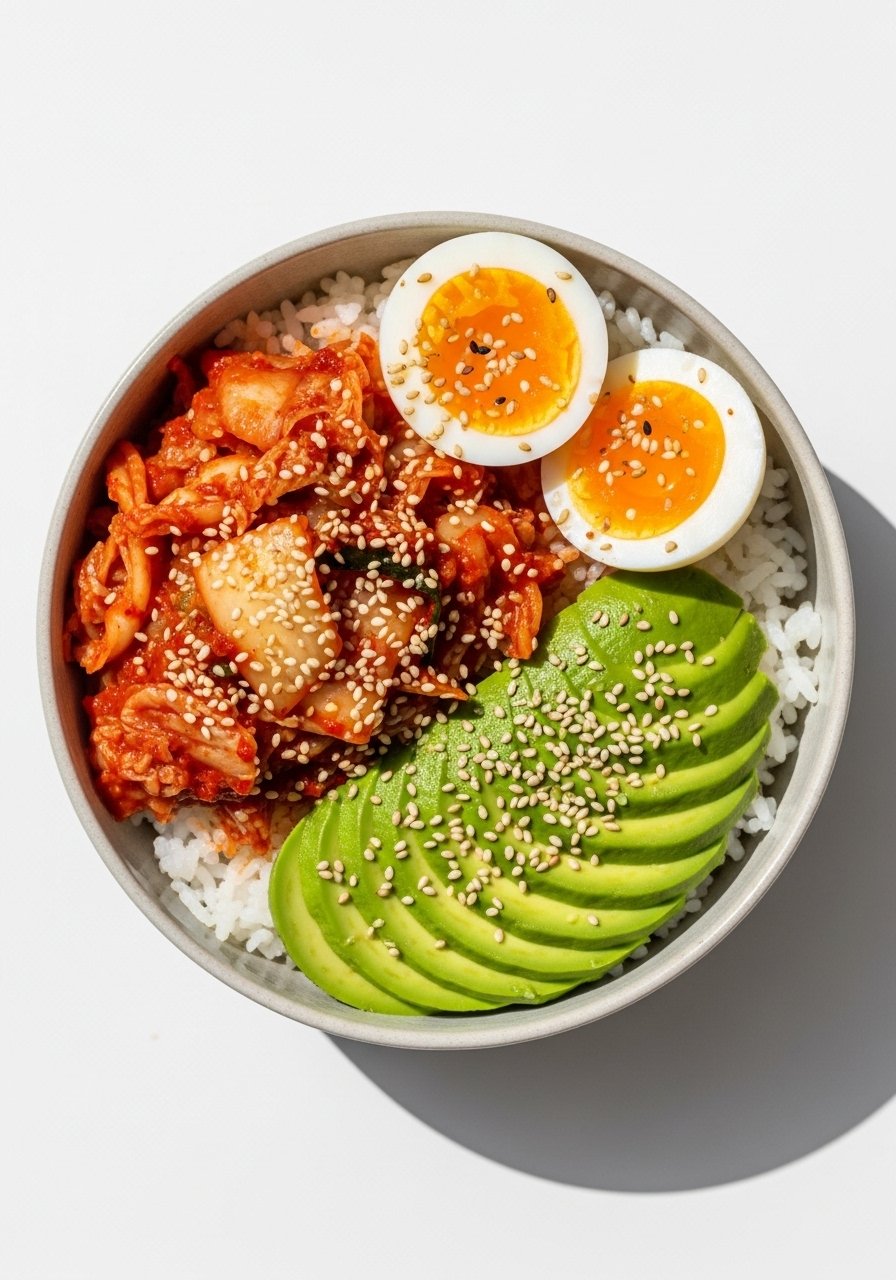
A fresh bowl showcasing raw kimchi, creamy avocado, rice, and an egg. It’s an easy way to enjoy live cultures alongside comforting grains.
Ingredients
- 1 cup cooked rice
- 1/2 cup kimchi, chopped
- 1/2 avocado, sliced
- 1 soft-boiled egg
- Sesame seeds and scallions to garnish
Step-by-Step Instructions
- Prepare rice and egg: Warm rice; soft-boil egg (6–7 minutes), cool and peel.
- Assemble bowl: Place rice in bowl, top with kimchi and avocado slices.
- Add egg: Halve the egg and place on top.
- Garnish and serve: Sprinkle with sesame seeds and scallions, enjoy immediately.
H2
Final Thoughts
These 22 recipes give you approachable, flavorful ways to add natural probiotic foods for women into everyday meals. Try a few small steps—like yogurt in the morning or a jar of sauerkraut with dinner—and build habits you enjoy.
If you want tools to help, consider a few basics like quality mason jars, a yogurt maker, or a nut milk bag to make straining easy. Small changes can make probiotic-rich eating simple and delicious—have fun experimenting.