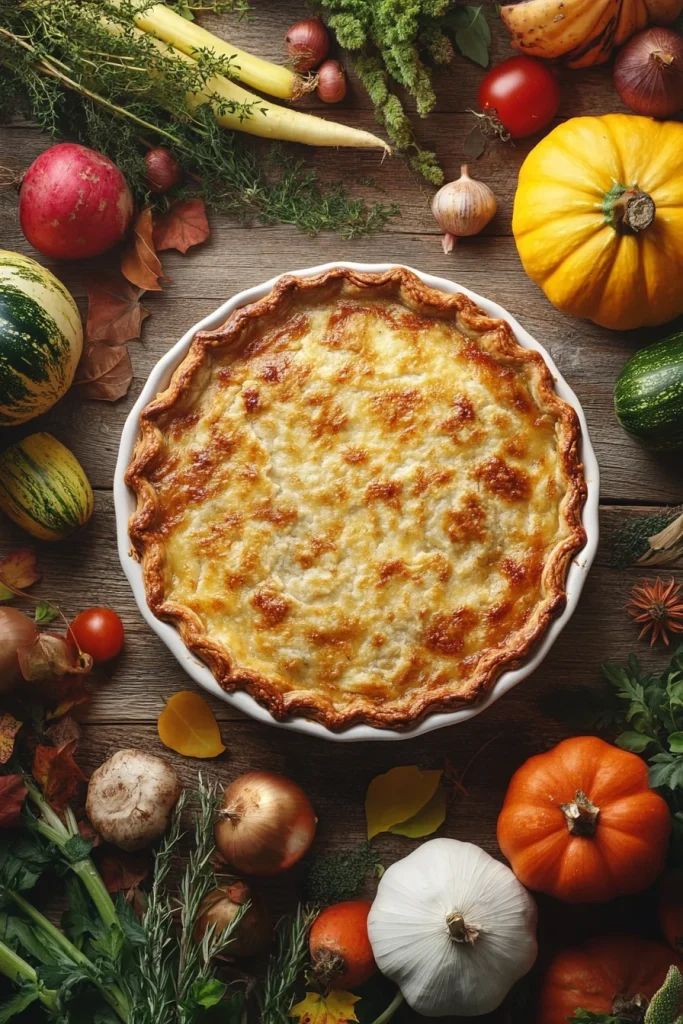
A perfect pie starts with a perfect crust. Whether you’re baking a sweet fruit pie or a savory quiche, the crust sets the foundation for flavor, texture, and presentation.
A well-made pie crust should be flaky, tender, and buttery, with just enough structure to hold the filling without becoming tough.
While many people shy away from making pie crust from scratch, mastering a simple recipe will give your pies a professional touch and unmatched taste.
Pie Crust Recipe
Pie crust is essentially a simple dough made from flour, fat, and liquid, but the technique makes all the difference.
The key to a flaky crust is keeping the fat cold and mixing it with flour just enough to create small pockets of fat. These pockets melt during baking, producing layers that give the crust its signature flakiness.
Overworking the dough can develop gluten, which leads to a tough crust, so gentle handling is crucial.
Pie crust can be used for sweet pies, tarts, and savory dishes, making it one of the most versatile bases in baking.
Ingredients
- 2 1/2 cups all-purpose flour
- 1 teaspoon salt
- 1 cup (2 sticks) unsalted butter, chilled and cut into small cubes
- 1/4 to 1/2 cup ice water
- 1 teaspoon sugar (optional, for sweet pies)
Step-by-Step Instructions
1. Mix Dry Ingredients
In a large mixing bowl, combine the flour and salt (and sugar if making a sweet crust). Stir to ensure even distribution. This creates a uniform base for the fat to mix into.
2. Cut in the Butter
Add the chilled butter cubes to the flour mixture. Using a pastry cutter, two knives, or your fingertips, cut the butter into the flour until the mixture resembles coarse crumbs with pea-sized pieces of butter. These small butter pockets are crucial for flakiness.
3. Add Ice Water Gradually
Drizzle the ice water over the flour-butter mixture a few tablespoons at a time. Mix gently with a fork or your hands until the dough just comes together.
The dough should be moist enough to hold when pressed but not sticky. Avoid adding too much water, which can make the crust tough.
4. Form the Dough and Chill
Divide the dough into two discs (for a double-crust pie), wrap each in plastic wrap, and refrigerate for at least 1 hour.
Chilling firms the butter, prevents shrinking during baking, and improves texture.
5. Roll Out the Dough
Lightly flour a clean surface and rolling pin. Roll the dough from the center outward, turning occasionally, until it is about 1/8 inch thick and slightly larger than your pie pan. Avoid over-rolling to maintain flakiness.
6. Transfer to Pie Pan
Carefully lift the dough and place it into your pie pan. Gently press it into the bottom and sides, leaving some overhang.
Trim excess dough and crimp the edges as desired.
7. Blind Baking (Optional)
For pies that require pre-baking, line the crust with parchment paper and fill it with pie weights or dried beans.
Bake at 375°F (190°C) for 15–20 minutes, then remove weights and bake for another 5–10 minutes until lightly golden.
Different Variations
- Shortcrust Pastry: A rich, tender crust made with higher butter content, perfect for fruit pies and tarts.
- Pâte Brisée: A classic French version of pie crust, slightly more delicate, often used in quiches and savory pies.
- Graham Cracker or Cookie Crust: Made by crushing cookies or crackers and combining with melted butter, ideal for no-bake pies and cheesecakes.
- Whole Wheat Crust: Substitutes part of the all-purpose flour with whole wheat flour for a nuttier flavor and slightly denser texture.
Tips for the Perfect Pie Crust
- Keep Ingredients Cold: Use chilled butter and ice water to ensure a flaky texture. If the dough warms, refrigerate it before rolling.
- Handle Dough Gently: Overworking develops gluten, leading to a tough crust. Mix until just combined.
- Rest the Dough: Allowing dough to rest in the refrigerator relaxes the gluten and prevents shrinking.
- Use a Light Touch When Rolling: Roll evenly and avoid pressing too hard. The goal is thin but consistent dough.
Storing and Freezing Pie Dough
Pie dough can be stored in the refrigerator for up to 3 days. Wrap tightly in plastic to prevent it from drying out.
For longer storage, freeze the dough for up to 2 months.
Thaw in the refrigerator before rolling out. Freezing dough discs individually also allows you to make pies quickly whenever needed.
Common Mistakes to Avoid
- Using warm butter: This can cause the dough to become greasy and prevent flakiness.
- Adding too much water: Makes the crust tough. Add gradually until the dough just comes together.
- Skipping chilling: Chilled dough prevents shrinkage and creates a flakier texture.
- Overbaking: Even a golden edge can become dry if baked too long; watch closely during the final minutes.
Conclusion
Making a perfect pie crust is easier than it seems once you understand the importance of cold ingredients, gentle handling, and proper technique.
With practice, you can master a crust that is flaky, tender, and adaptable to both sweet and savory pies.
Homemade pie crust elevates any dessert or savory dish and is well worth the effort.