You want meals that nourish your gut and taste amazing. These 25 recipes use real probiotic foods that support digestion and flavor. They’re approachable, kitchen-tested ideas you can make without fuss.
Follow simple steps, use common tools, and modify for dietary needs. You’ll find breakfasts, snacks, mains, and ferments to heal your belly naturally.
These recipes focus on whole ingredients and practical techniques so you can build a daily probiotic routine that fits your life.
25 Powerful Probiotic Foods For Gut Health Recipes To Heal Your Belly Naturally
Start with easy ferments and heartier cooked dishes. Each recipe highlights a probiotic ingredient and includes tools, timing, and troubleshooting tips to help you succeed in the kitchen.
1. Classic Homemade Yogurt
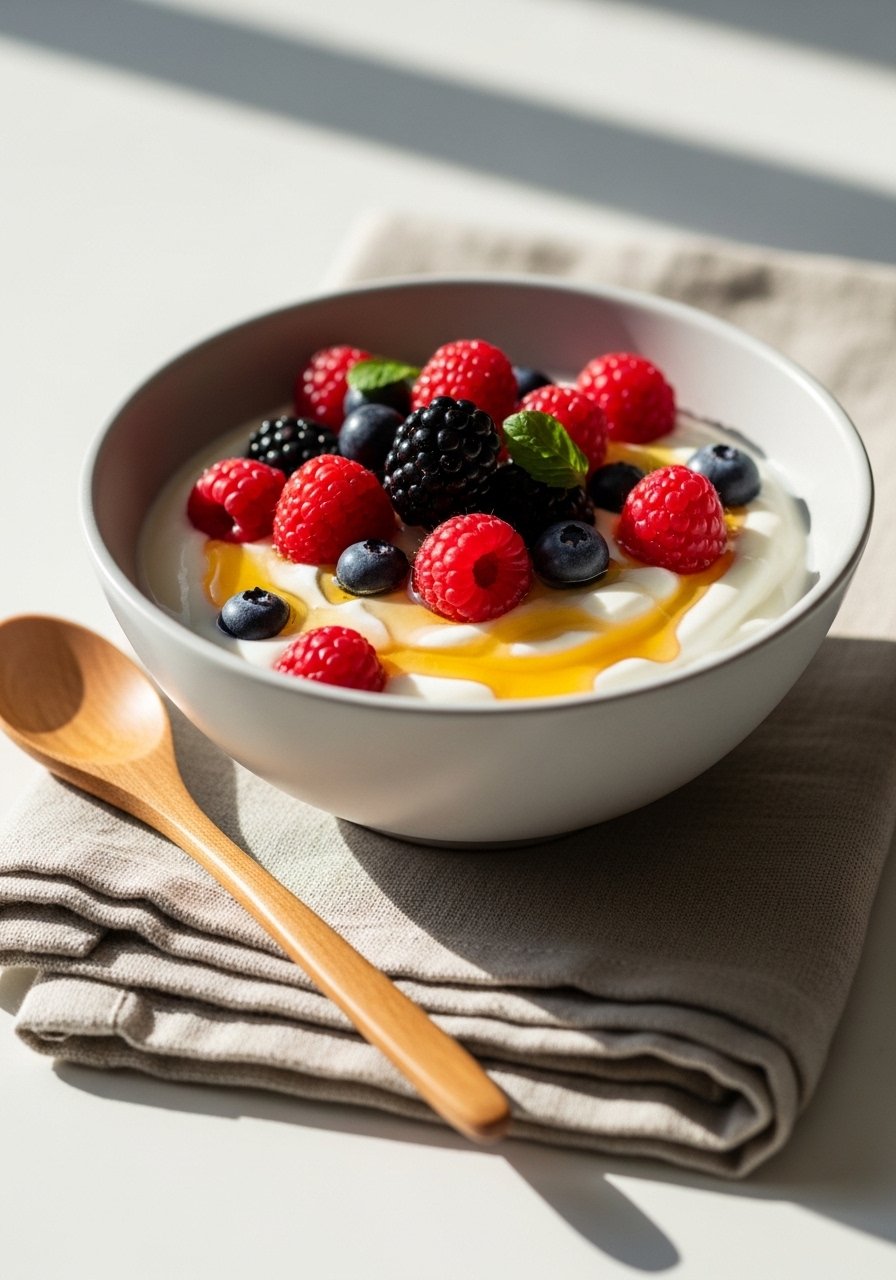
This yogurt is tangy, smooth, and perfect for breakfasts or snacks. You control thickness and culture time, so the probiotics are active and the flavor fits your taste.
Ingredients
- 1 quart (950 ml) whole milk, cold
- 2 tablespoons plain active yogurt (as starter)
- Optional: 1–2 tablespoons powdered milk for thicker yogurt
Step-by-Step Instructions
- Warm Milk: Heat milk to 180°F (82°C) in a saucepan, stirring occasionally, until small bubbles form. This denatures proteins for a thicker set (about 10 minutes).
- Cool: Remove from heat and cool to 110°F (43°C) — warm but not hot (about 30–45 minutes). Use an instant thermometer for accuracy.
- Inoculate: Whisk 2 tablespoons of active yogurt into a small cup of warm milk, then stir back into the pot until smooth.
- Incubate: Pour into jars, cover, and keep at 105–115°F (40–46°C) for 6–10 hours using a warm oven, insulated cooler, or a yogurt maker like a yogurt maker.
- Chill & Serve: Refrigerate for 4 hours to firm. Taste and adjust ferment time next batch for tanginess.
2. Creamy Kefir Smoothie Bowl
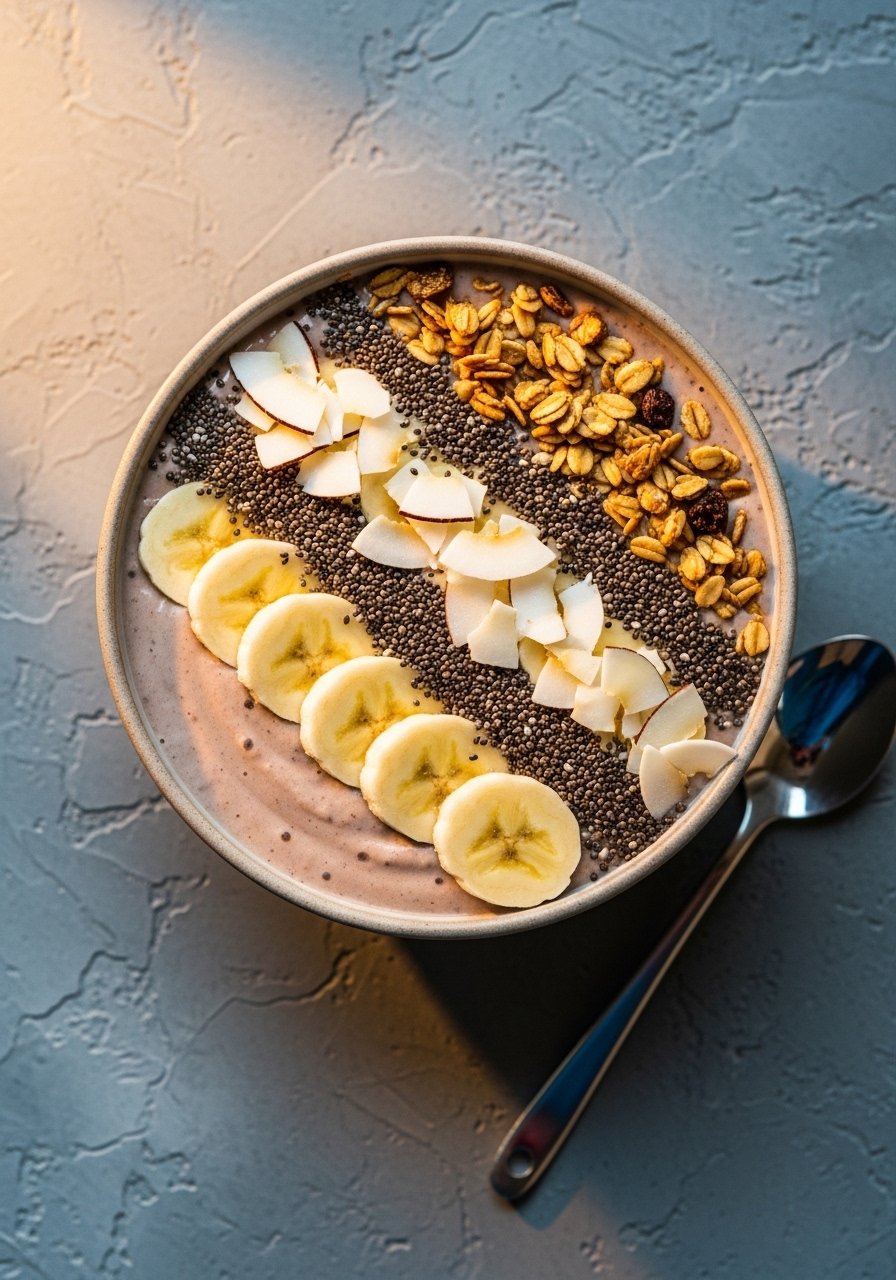
This kefir bowl is tangy and creamy with a probiotic punch. It blends fresh fruit for sweetness and crunchy toppings for texture—a filling gut-friendly breakfast.
Ingredients
- 1 cup plain kefir
- 1 frozen banana
- 1/2 cup frozen berries
- 2 tablespoons oats or granola for topping
- 1 tablespoon chia seeds
Step-by-Step Instructions
- Blend: In a blender, combine kefir, frozen banana, and berries. Blend until smooth (about 45–60 seconds). Use an immersion blender for smaller batches.
- Adjust: If too thick, add 1–2 tablespoons kefir to reach spoonable thickness.
- Top & Serve: Spoon into a bowl and add granola, chia, and fresh fruit. Eat immediately for best texture.
3. Simple Sauerkraut
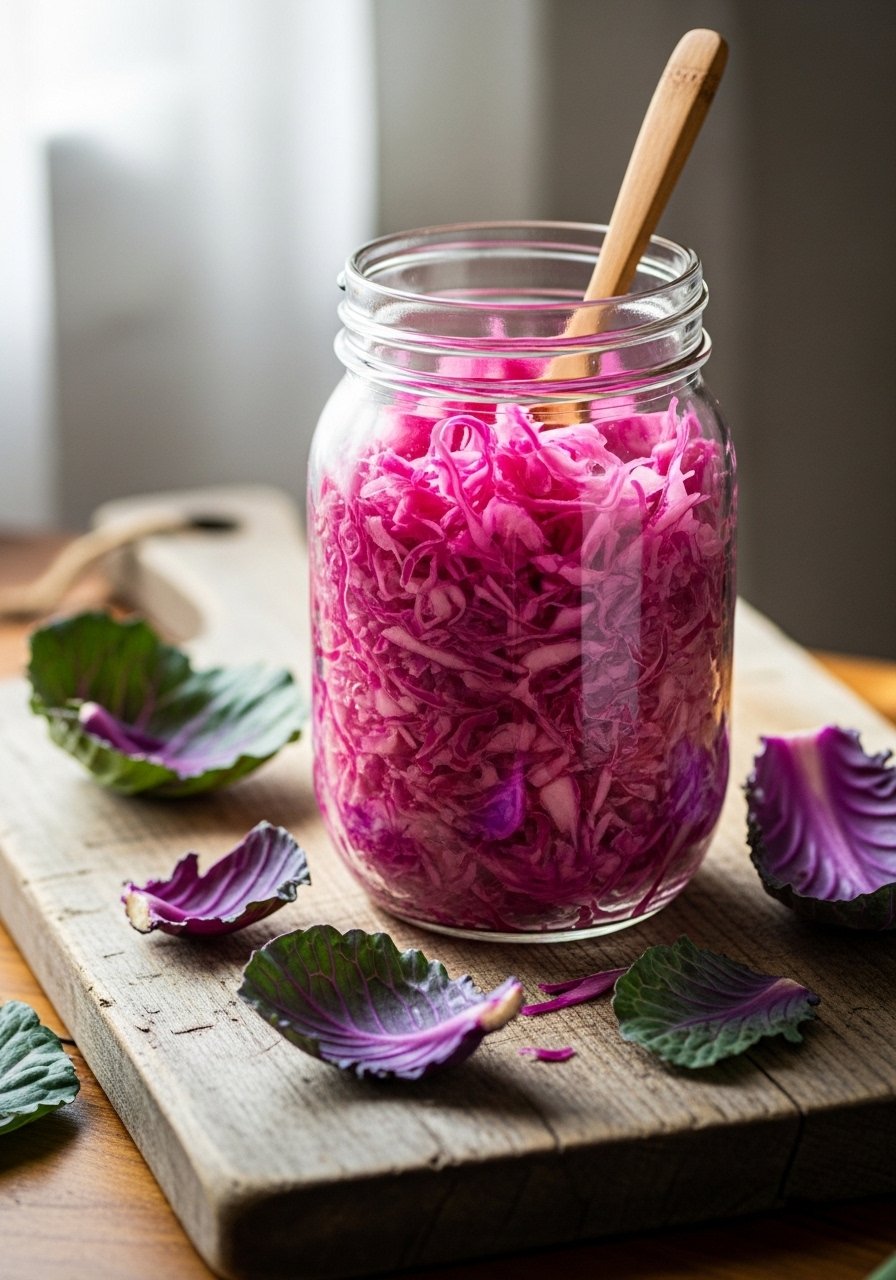
Crisp, tangy sauerkraut adds crunch and live cultures to sandwiches and bowls. This fresh kraut is lactic-fermented and easy to make with just cabbage and salt.
Ingredients
- 1 medium green cabbage (about 2–2.5 lbs), shredded
- 1.5 tablespoons sea salt (non-iodized)
- 1 teaspoon caraway seeds (optional)
- 1–2 tsp filtered water if needed
Step-by-Step Instructions
- Shred & Salt: Shred cabbage and mix with salt in a large bowl. Massage for 5–10 minutes until it releases liquid and wilts.
- Pack: Press cabbage tightly into a clean mason jar using a tamper or wooden spoon so liquid covers cabbage. Leave 1–2 inches headspace.
- Weigh & Ferment: Add a weight to keep cabbage submerged and cover with a cloth or airlock lid. Ferment at 65–72°F (18–22°C) for 5–14 days, tasting after day 5.
- Refrigerate: When flavor is right, seal and refrigerate to slow fermentation. Keeps several months.
4. Spicy Kimchi
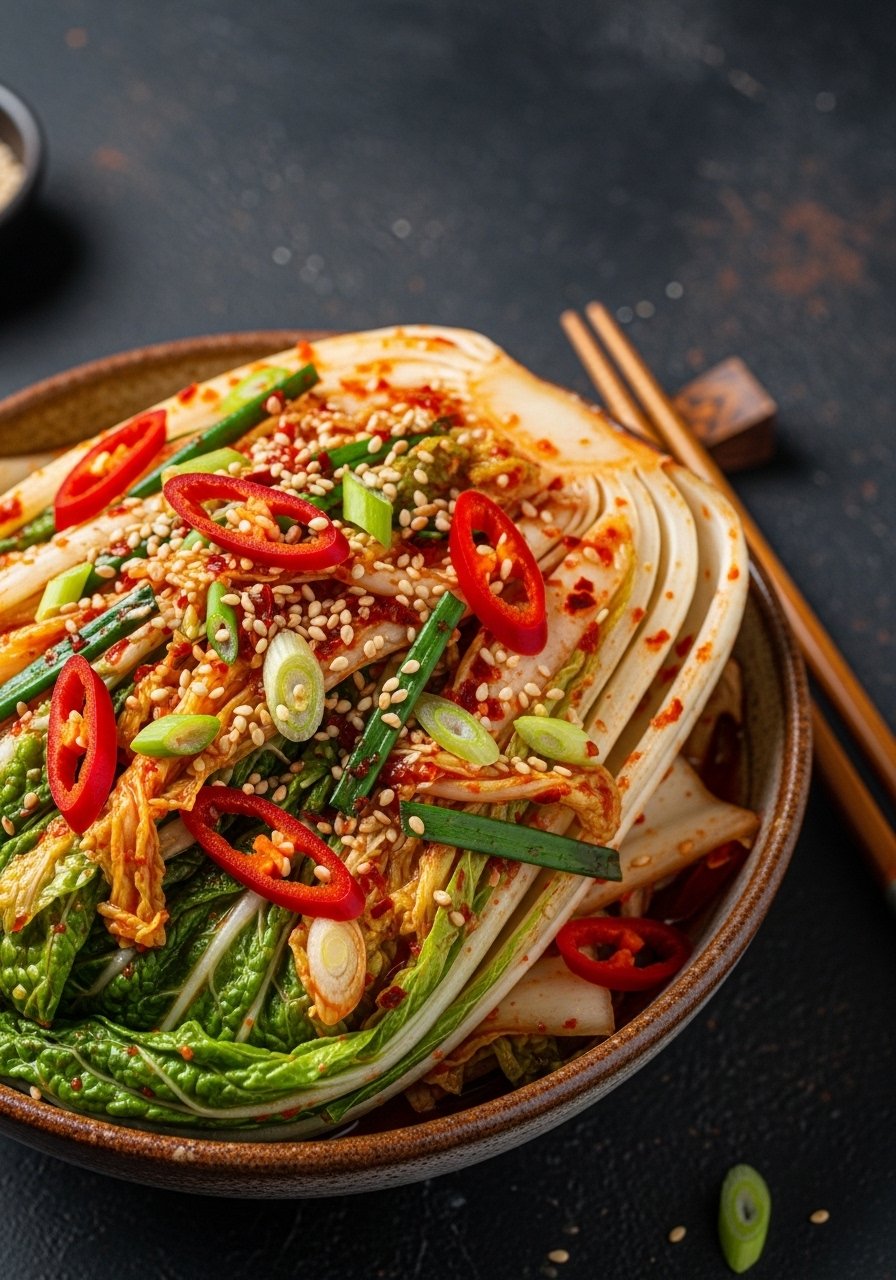
Kimchi is bold, spicy, and packed with probiotics from lactic fermentation. It brightens rice bowls, soups, and grilled proteins with umami and heat.
Ingredients
- 1 large napa cabbage, quartered and salted
- 1/4 cup kosher salt
- 1 cup water (for rinsing)
- 1/2 cup Korean chili flakes (gochugaru)
- 4 cloves garlic, minced
- 1-inch ginger, grated
- 4 scallions, chopped
- 2 tablespoons fish sauce or tamari for vegetarian
Step-by-Step Instructions
- Salt Cabbage: Sprinkle salt between leaves, let sit 2 hours or until limp, turning occasionally. Rinse thoroughly and drain.
- Make Paste: Blend garlic, ginger, gochugaru, fish sauce and 2–4 tbsp water into a paste. Mix with scallions.
- Mix: Toss paste into cabbage until evenly coated using gloves to protect hands.
- Pack & Ferment: Pack into a jar, press down to remove air and keep submerged. Leave 1–2 inches headspace. Ferment at 65–72°F for 3–7 days; burp daily.
- Refrigerate: Once tasting tangy and slightly fizzy, refrigerate.
5. Miso Soup With Tofu & Wakame
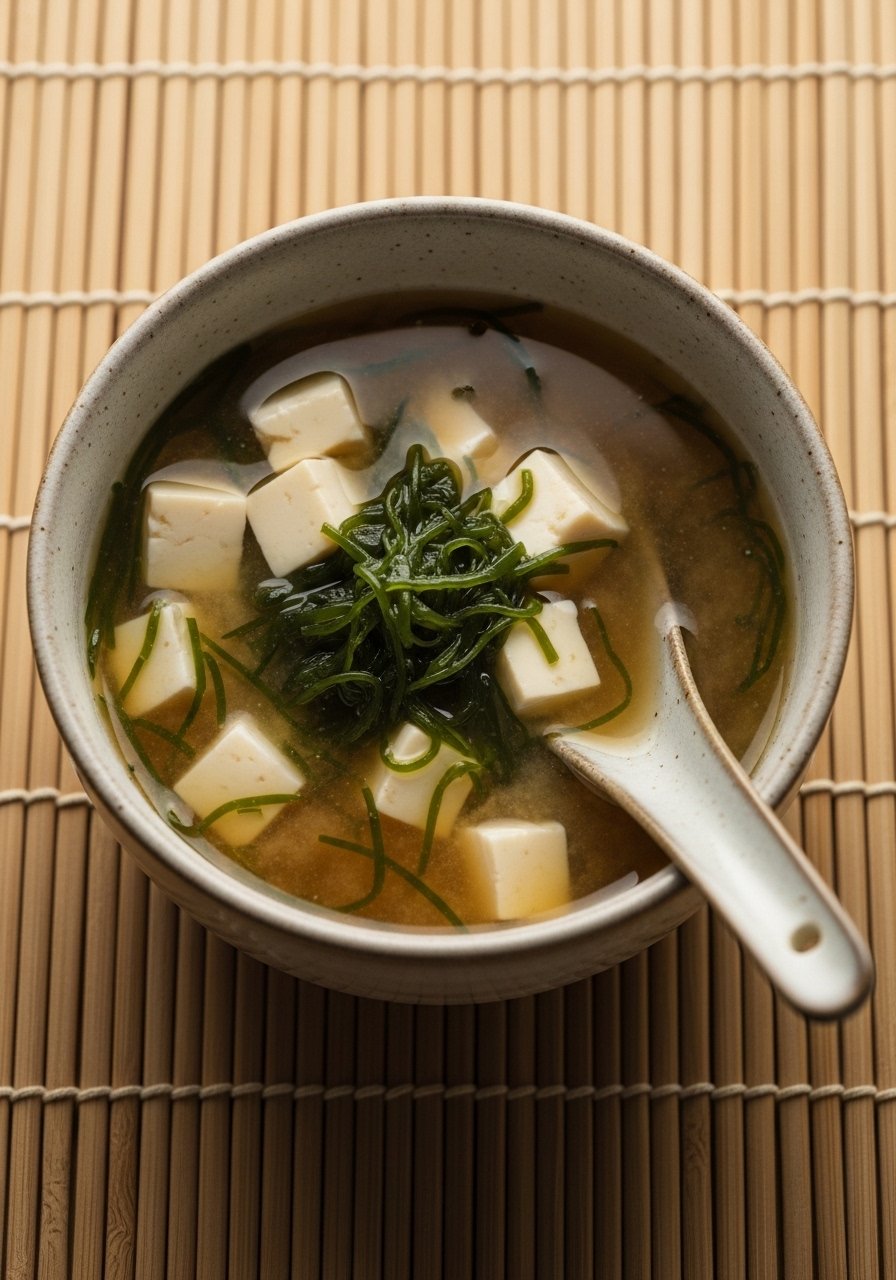
Warm miso soup is soothing with savory umami and beneficial live cultures if added off-heat. It’s quick, light, and perfect as a daily gut-supporting starter.
Ingredients
- 4 cups dashi or vegetable broth
- 3 tablespoons white or yellow miso paste
- 1/2 cup silken tofu, cubed
- 1 tablespoon dried wakame, rehydrated
- 1 scallion, thinly sliced
Step-by-Step Instructions
- Heat Broth: Warm dashi to just under simmer (about 175°F / 80°C). Do not boil.
- Dissolve Miso: Scoop miso into a small bowl, whisk in 1/2 cup warm broth until smooth.
- Combine: Stir miso mixture into pot off-heat to preserve probiotics. Add tofu and wakame; gently warm for 1–2 minutes.
- Serve: Garnish with scallion and serve immediately.
6. Fermented Dill Pickles (Lacto-Fermented)
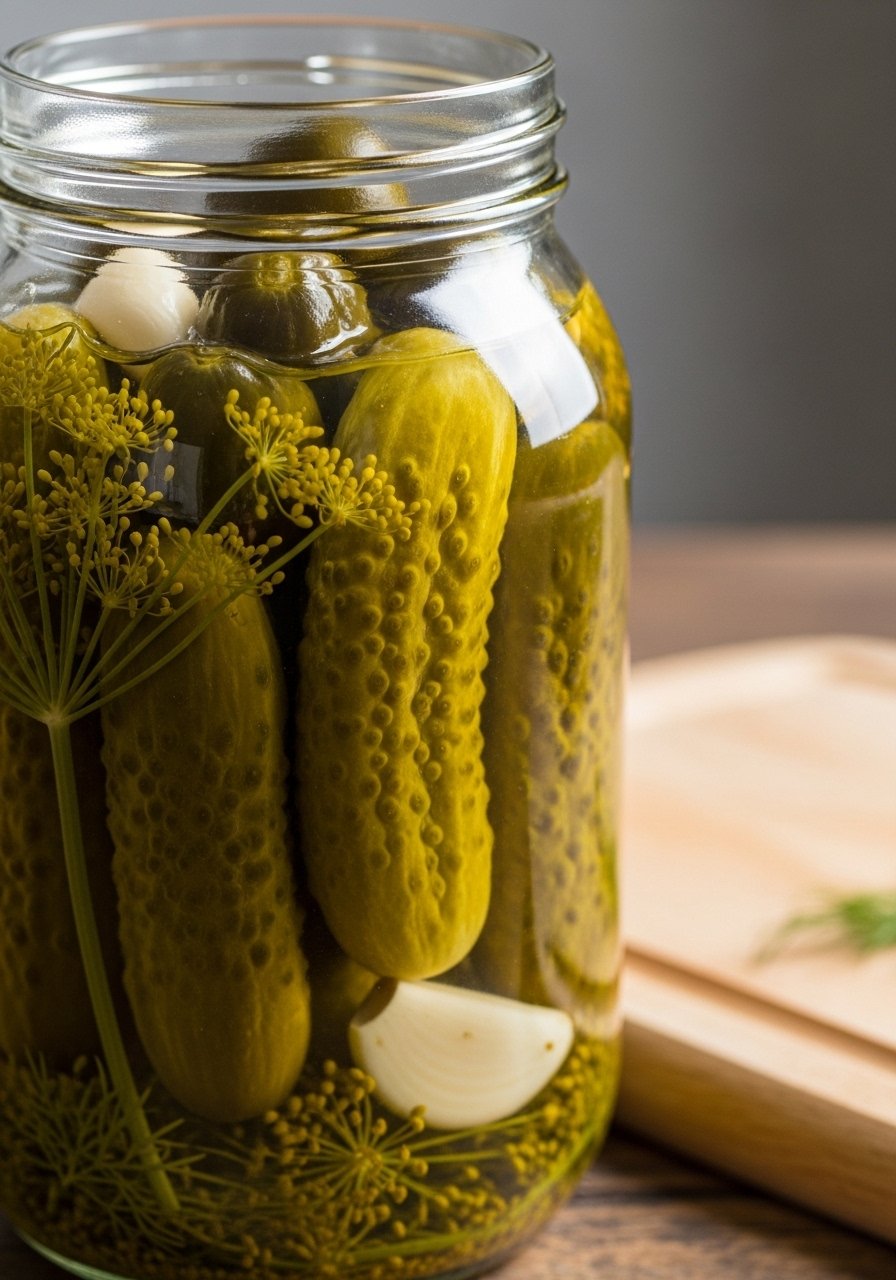
These lacto-fermented pickles are crisp and tangy without vinegar. Fermentation brings probiotics and a satisfying crunch for sandwiches and snacks.
Ingredients
- 1 lb small pickling cucumbers, scrubbed
- 2 cups water (filtered)
- 1.5 tablespoons sea salt (non-iodized)
- 3 garlic cloves, smashed
- 2 dill heads or 2 tsp seeds
- 1 tsp black peppercorns
Step-by-Step Instructions
- Make Brine: Dissolve salt in water to create a 2.5–3% brine.
- Pack Jars: Place garlic, dill, and peppercorns in jar. Pack cucumbers tightly. Pour brine until cucumbers are submerged.
- Weigh & Cover: Keep cucumbers submerged with a weight and cover with an airlock or cloth. Ferment at 65–72°F for 5–10 days, tasting for crunch and tang.
- Chill: Transfer to fridge when desired flavor develops.
7. Sourdough Starter & Basic Loaf
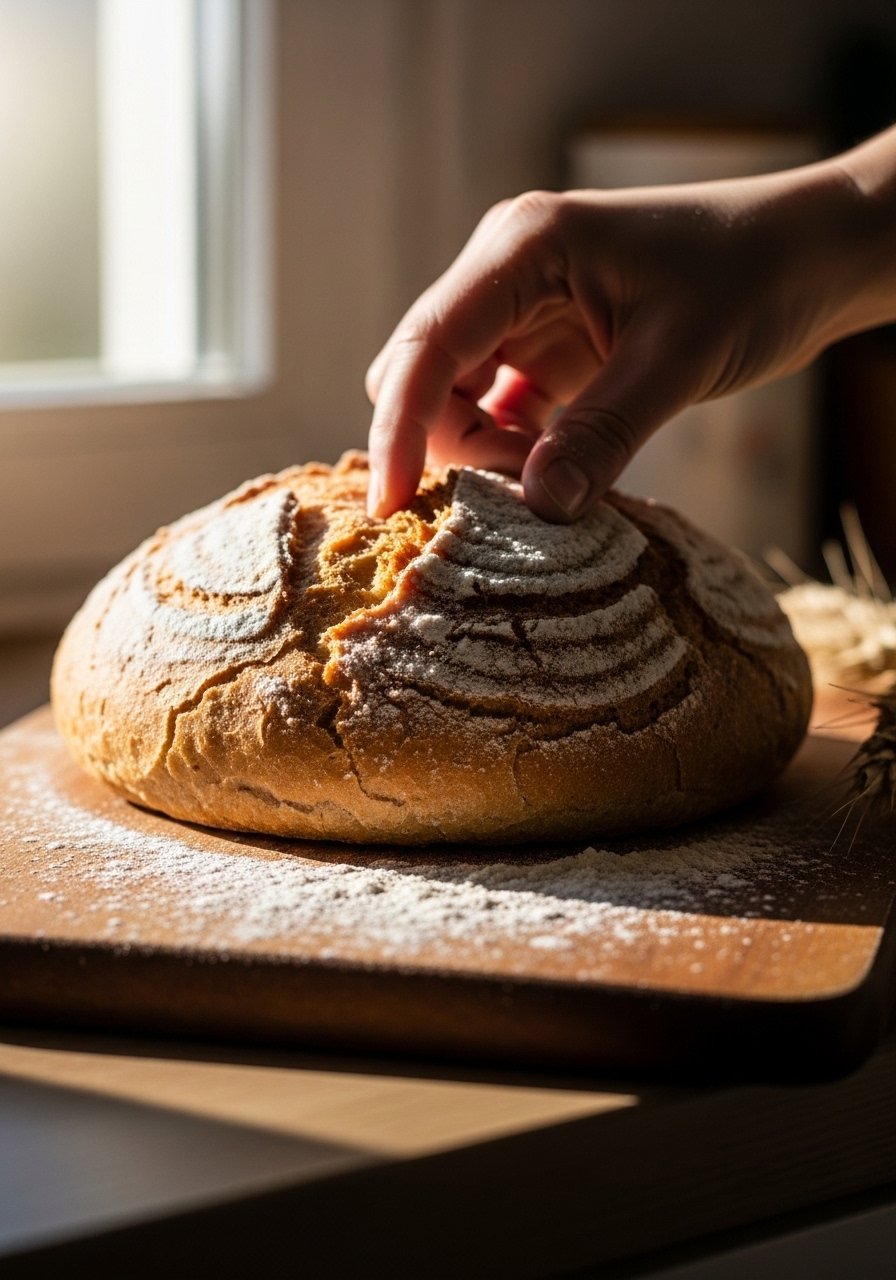
Sourdough uses wild fermentation to create tangy, digestible bread. This starter and loaf recipe will get you baking crusty bread with depth and probiotic-friendly fermentation.
Ingredients
- For starter: 1/2 cup whole wheat flour + 1/2 cup water (twice daily feed)
- For loaf: 500 g bread flour, 350 g water, 100 g active starter, 10 g salt
Step-by-Step Instructions
- Build Starter: Mix equal parts flour and water, feed daily for 5–7 days until bubbly and doubled.
- Autolyse: Mix flour and water, rest 30 minutes.
- Add Starter & Salt: Add active starter and salt. Knead or stretch-and-fold every 30 minutes for 2 hours.
- Bulk Ferment: Let dough rise at room temp until doubled (3–4 hours).
- Shape & Proof: Shape, place in proofing basket, refrigerate overnight or proof 2–3 hours.
- Bake: Preheat Dutch oven to 475°F (245°C). Score and bake covered 20 minutes, uncovered 20–25 minutes until deep brown. Cool before slicing.
8. Tempeh Stir-Fry With Ginger Soy
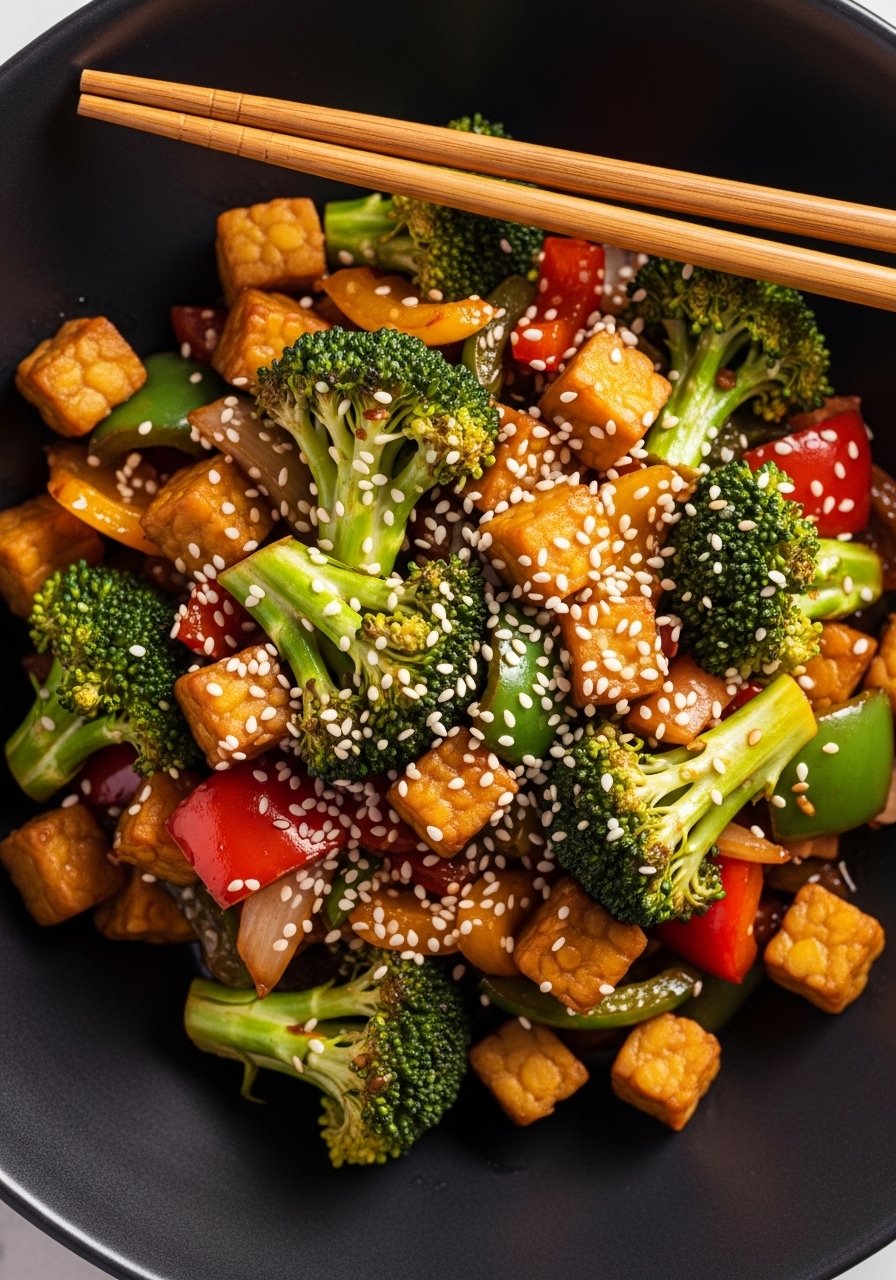
Tempeh is fermented soy with firm texture and nutty flavor. Stir-frying keeps it crisp and pairs well with ginger, garlic, and a tangy soy glaze for a hearty meal.
Ingredients
- 8 oz tempeh, cut into 1/2-inch cubes
- 2 tbsp soy sauce or tamari
- 1 tbsp rice vinegar
- 1 tbsp sesame oil
- 2 cups broccoli florets, sliced peppers
Step-by-Step Instructions
- Marinate: Toss tempeh in soy, vinegar, and a splash of water for 10 minutes.
- Sear: Heat a nonstick skillet over medium-high, add sesame oil, and brown tempeh until crisp (3–4 minutes per side).
- Veggies: Add broccoli and peppers, stir-fry 4–5 minutes until tender-crisp.
- Finish: Add remaining sauce, toss to glaze, remove from heat, and sprinkle sesame seeds. Serve over rice.
9. Natto Rice Bowl
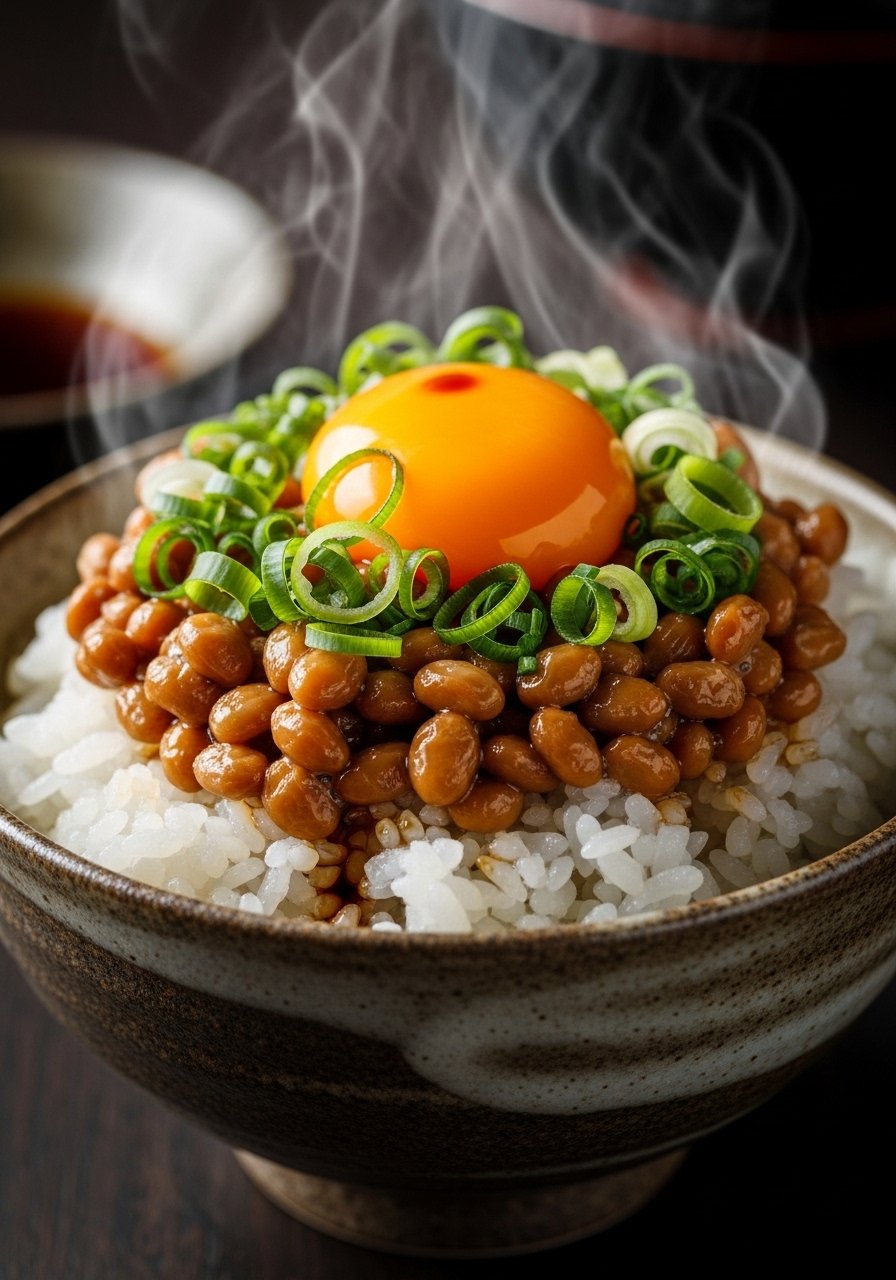
Natto is sticky fermented soy with a strong flavor and probiotic benefit. Serve it over hot rice with scallion and soy for a quick, traditional Japanese breakfast bowl.
Ingredients
- 1 pack natto (about 40 g)
- 1 cup cooked short-grain rice
- 1 scallion, thinly sliced
- 1 tsp soy sauce or tamari
- Optional: raw egg yolk
Step-by-Step Instructions
- Prepare Rice: Serve hot cooked rice in a bowl.
- Mix Natto: Stir natto vigorously in its container until stringy, then mix in soy sauce.
- Assemble: Spoon natto over rice, add scallions and egg yolk if using. Mix and eat immediately.
10. Kombucha At-Home Brew

Home-brewed kombucha is tart, fizzy, and full of live cultures. Learn basic brewing and flavoring to create refreshing probiotic sodas at home.
Ingredients
- 1 gallon water
- 1 cup sugar
- 8 black tea bags (or equivalent)
- 2 cups starter kombucha
- 1 SCOBY (symbiotic culture)
Step-by-Step Instructions
- Brew Tea: Boil water, dissolve sugar, steep tea 10–15 minutes, then cool to room temperature.
- Add SCOBY: Pour tea into a clean glass jar, add starter kombucha and gently place SCOBY on top. Cover with breathable cloth.
- Ferment: Let ferment at 72–78°F for 7–14 days, tasting from day 7 until desired tartness.
- Second Ferment (Optional): Bottle with fruit for 2–5 days to carbonate, then refrigerate. Use a glass brewing jar for best results.
11. Buttermilk Pancakes (Cultured)

Using cultured buttermilk adds tang and tenderness while supporting digestion. These pancakes are light, golden, and perfect for a probiotic-rich breakfast.
Ingredients
- 1 1/2 cups all-purpose flour
- 1 tbsp baking powder
- 1/2 tsp baking soda
- 1 tbsp sugar
- 1 1/4 cups cultured buttermilk
- 1 egg, beaten
- 2 tbsp melted butter
Step-by-Step Instructions
- Mix Dry: Whisk flour, baking powder, baking soda, and sugar in a bowl.
- Combine Wet: Whisk buttermilk, egg, and melted butter.
- Combine: Pour wet into dry, stir until just combined. Let rest 5 minutes.
- Cook: Heat a nonstick skillet to medium (about 350°F), add small amount of butter, pour 1/4 cup batter per pancake. Cook 2–3 minutes per side until golden.
- Serve: Stack and top with fruit or syrup.
12. Probiotic Yogurt Parfait With Granola
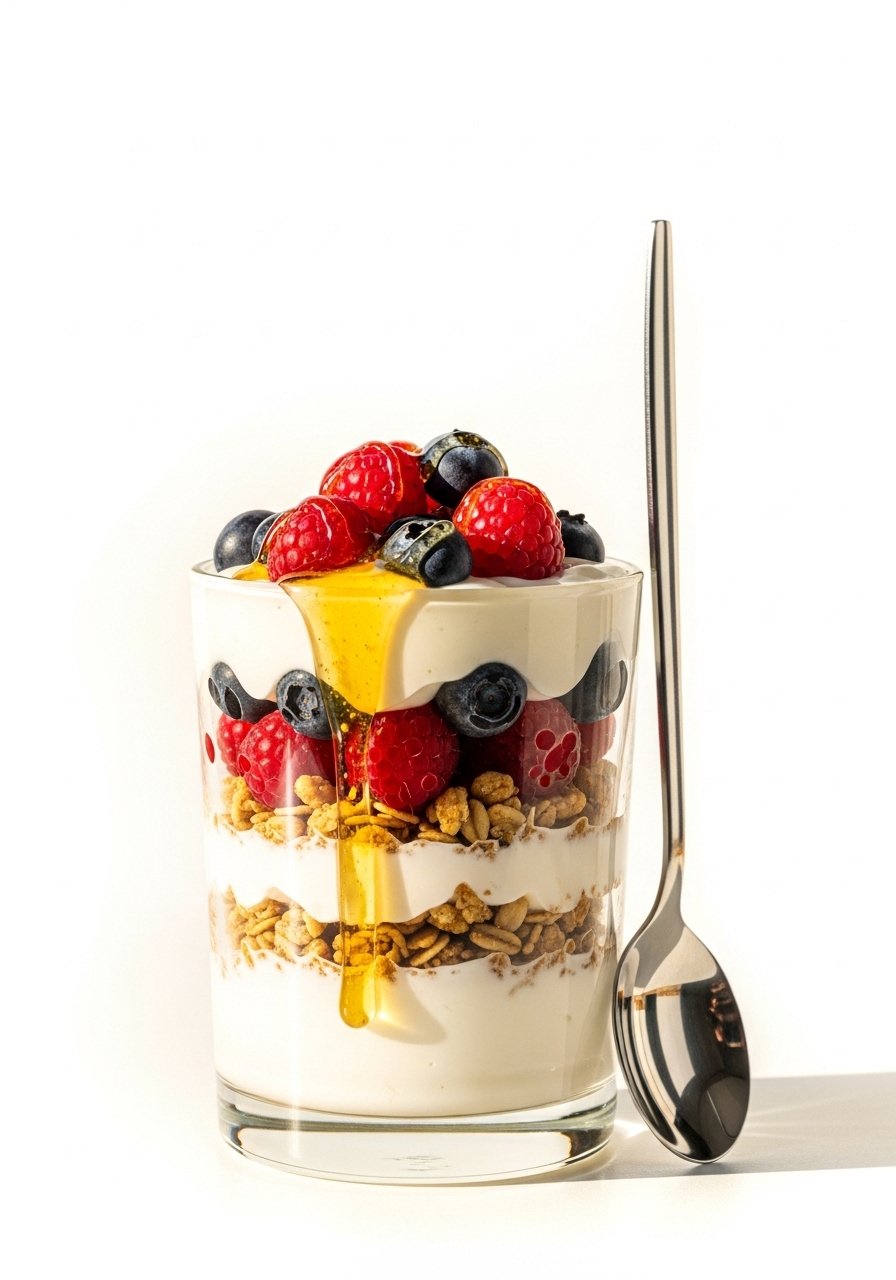
This parfait layers creamy yogurt with crunchy granola and berries. It’s an effortless probiotic-rich breakfast or snack that balances textures and flavors.
Ingredients
- 1 cup plain yogurt
- 1/2 cup mixed berries
- 1/3 cup granola
- 1 tbsp honey or maple syrup (optional)
Step-by-Step Instructions
- Layer: Spoon 1/3 yogurt into a glass or bowl.
- Add Fruit: Add a layer of berries and 1/3 granola.
- Repeat: Repeat layers and drizzle honey on top. Serve immediately for crunch.
13. Fermented Carrot Sticks With Herbs
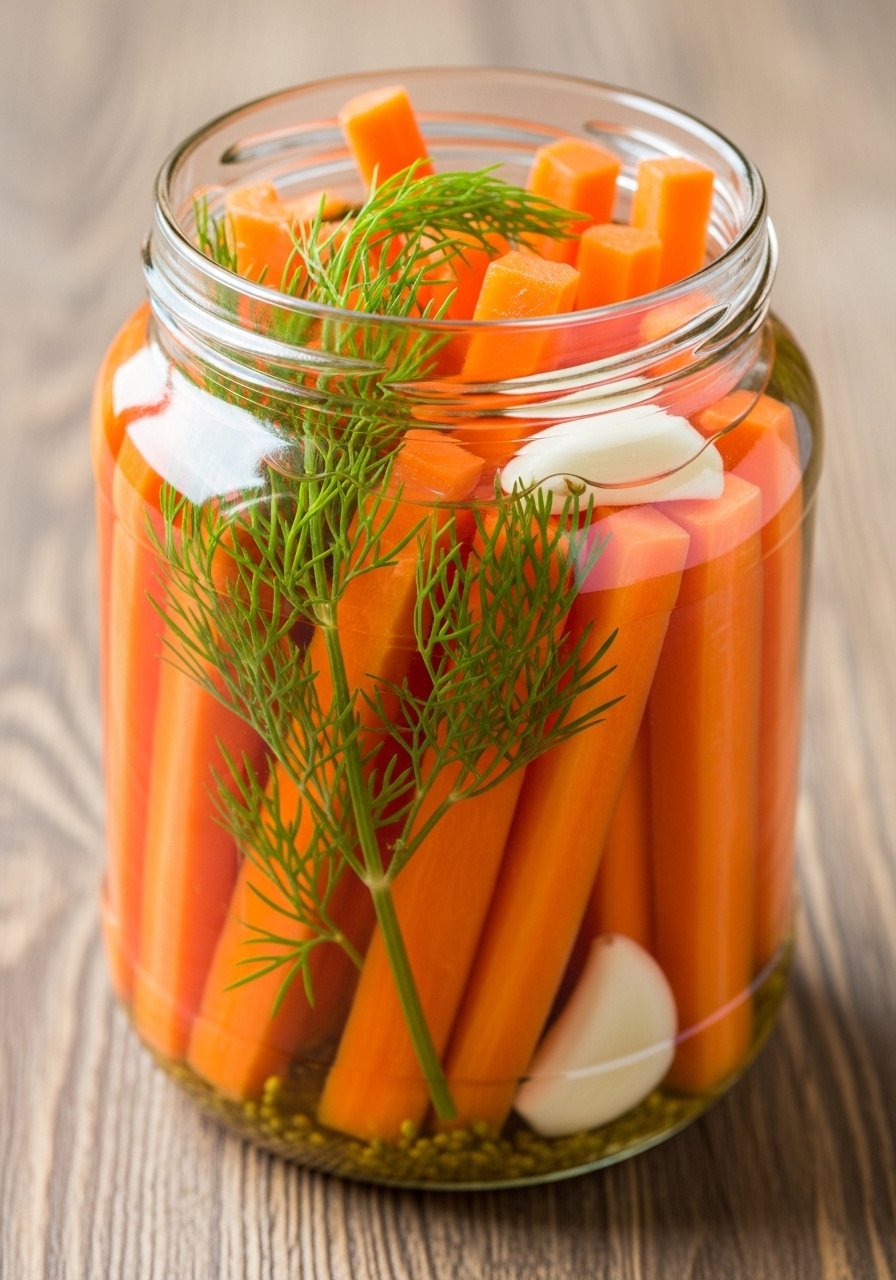
Fermented carrots stay crunchy and pick up savory herb flavors. They’re an easy, on-the-go probiotic snack that keeps for weeks in the fridge.
Ingredients
- 1 lb carrots, peeled and cut into sticks
- 2 cups water
- 1.5 tbsp sea salt
- 2 garlic cloves, smashed
- 2 dill sprigs
Step-by-Step Instructions
- Make Brine: Dissolve salt in water.
- Pack Jars: Place carrots, garlic, and dill in jar and pour brine to cover.
- Weigh & Ferment: Keep carrots submerged with a weight; cover and ferment at 65–72°F for 5–10 days.
- Refrigerate: Seal and store in fridge when flavor is tangy.
14. Beet Kvass
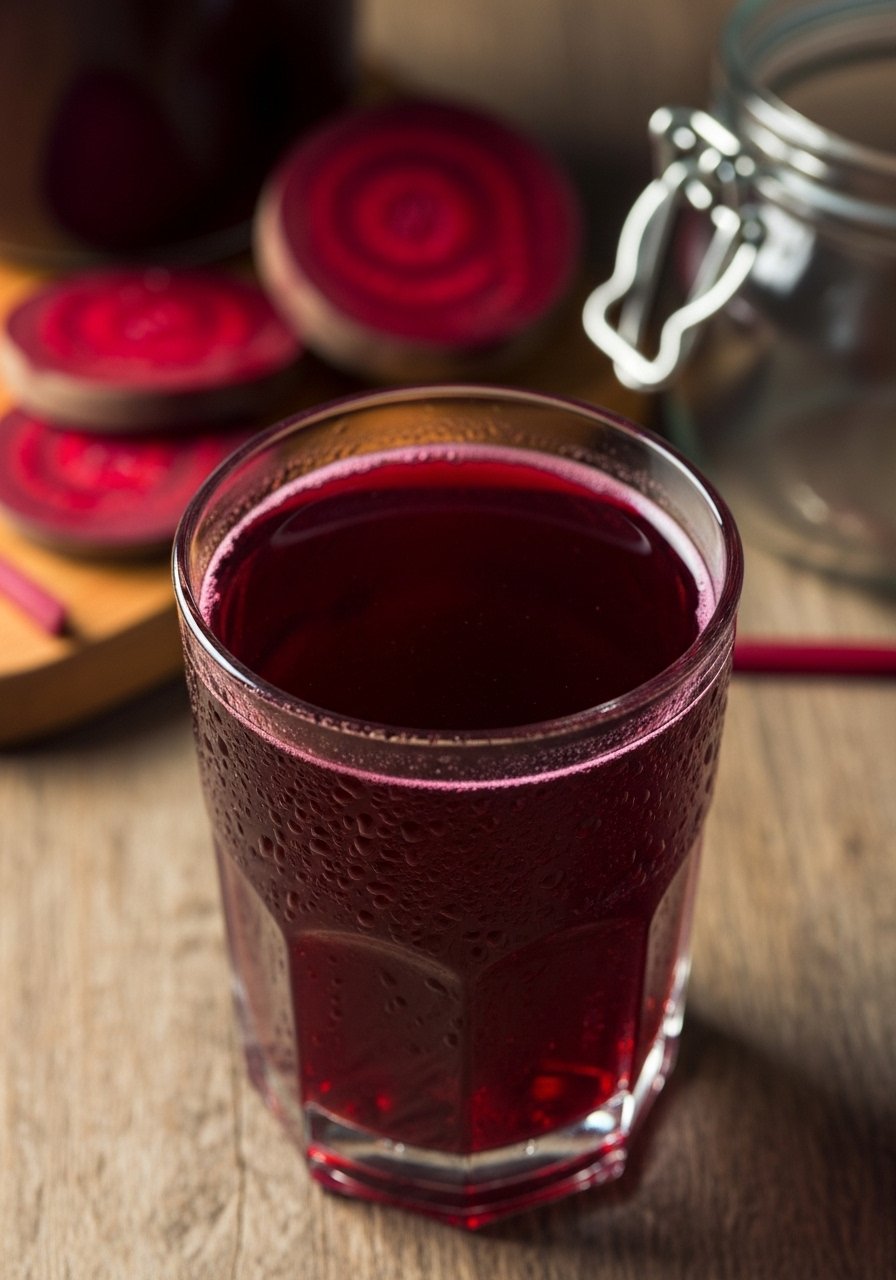
Beet kvass is a fermented tonic with earthy flavor and gentle fizz. It’s enjoyed as a digestive tonic or a bright mixer for cocktails and mocktails.
Ingredients
- 2 medium beets, chopped (unpeeled)
- 1 tablespoon sea salt
- 1 quart filtered water
Step-by-Step Instructions
- Pack: Place chopped beets in a clean jar, add salt, and pour water to cover.
- Ferment: Cover with cloth or lid and leave at 65–72°F for 3–7 days until tangy.
- Strain: Strain liquid into bottles and refrigerate. Use beets for a second ferment if desired.
15. Fermented Blueberry Chia Jam
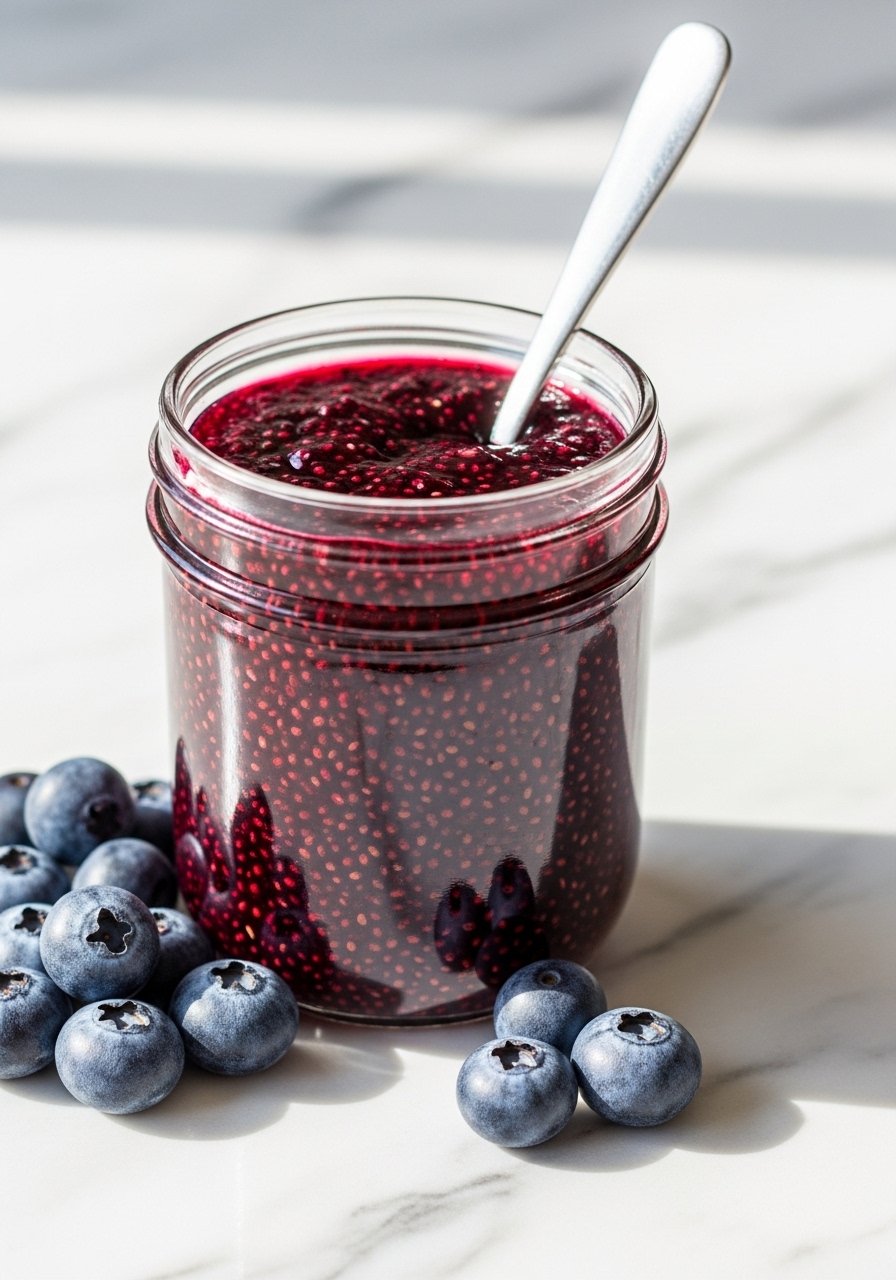
This small-batch fermented chia jam develops a tangy complexity and keeps the live cultures from a short ferment. It’s great on toast or stirred into yogurt.
Ingredients
- 2 cups blueberries
- 2 tbsp chia seeds
- 1 tsp lemon juice
- 1/2–1 tbsp honey (optional)
- 1/8 tsp active starter (from yogurt) or a splash of whey
Step-by-Step Instructions
- Mash Berries: Lightly mash blueberries in a bowl.
- Add Starters: Stir in chia seeds, lemon, honey, and a spoon of yogurt or whey to kickstart fermentation.
- Ferment: Cover and leave at room temp for 24–48 hours, stirring once. Refrigerate to set.
16. Coconut Water Kefir
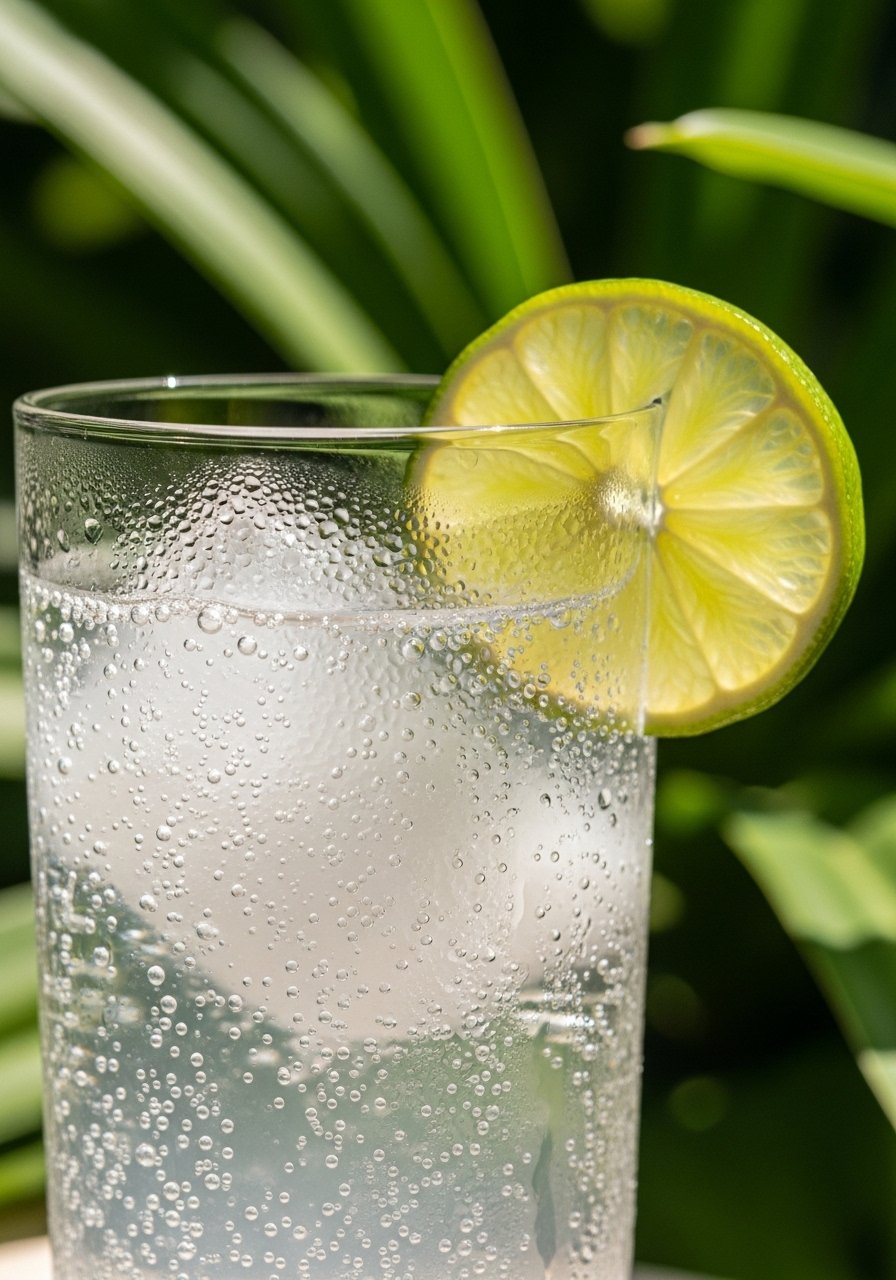
Coconut water kefir is light, slightly sweet, and effervescent. It’s an easy way to enjoy probiotics and electrolytes as a refreshing beverage.
Ingredients
- 4 cups coconut water
- 3–4 tablespoons water kefir grains
- Optional: 1–2 tablespoons fruit for second ferment
Step-by-Step Instructions
- Combine: Add coconut water and kefir grains to a glass jar.
- Ferment: Cover with cloth and ferment at 68–75°F for 24–48 hours until slightly fizzy.
- Strain & Bottle: Strain grains for reuse, bottle the kefir, and optionally second-ferment with fruit 1–3 days for more fizz. Refrigerate.
17. Probiotic Overnight Oats With Kefir
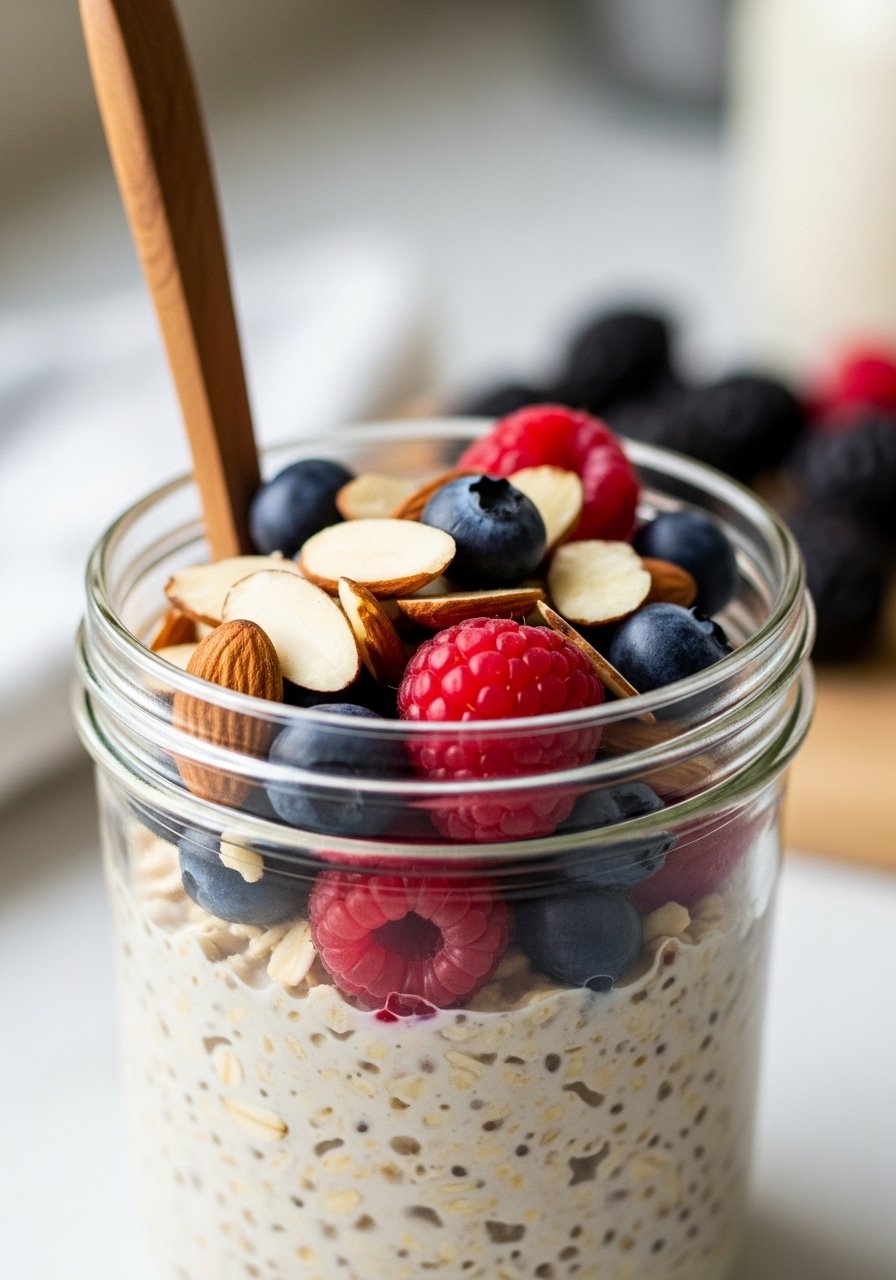
Overnight oats made with kefir are creamy and probiotic-rich. They’re a no-cook breakfast you can prep the night before for busy mornings.
Ingredients
- 1/2 cup rolled oats
- 1/2 cup plain kefir
- 1/4 cup milk of choice
- 1 tbsp chia seeds
- 1/4 cup berries
Step-by-Step Instructions
- Mix: Combine oats, kefir, milk, and chia in a jar. Stir well.
- Refrigerate: Cover and refrigerate overnight (8+ hours).
- Top & Serve: Add berries and nuts in the morning.
18. Fermented Salsa Roja

Fermented salsa developing gentle tang and depth. It’s a lively condiment with probiotics that’s excellent on tacos, eggs, or as a dip.
Ingredients
- 4 ripe tomatoes, chopped
- 1/2 onion, chopped
- 1-2 jalapeños, seeded if desired
- 1 tsp sea salt
- 1/4 cup chopped cilantro
Step-by-Step Instructions
- Blend: Pulse tomatoes, onion, jalapeño, and salt in a food processor to coarse consistency.
- Pack: Transfer salsa to a jar, pressing down to remove air and cover.
- Ferment: Leave at 65–72°F for 2–4 days, towel-cover and taste daily.
- Finish: Stir in fresh cilantro and refrigerate.
19. Lassi (Mango Yogurt Drink)
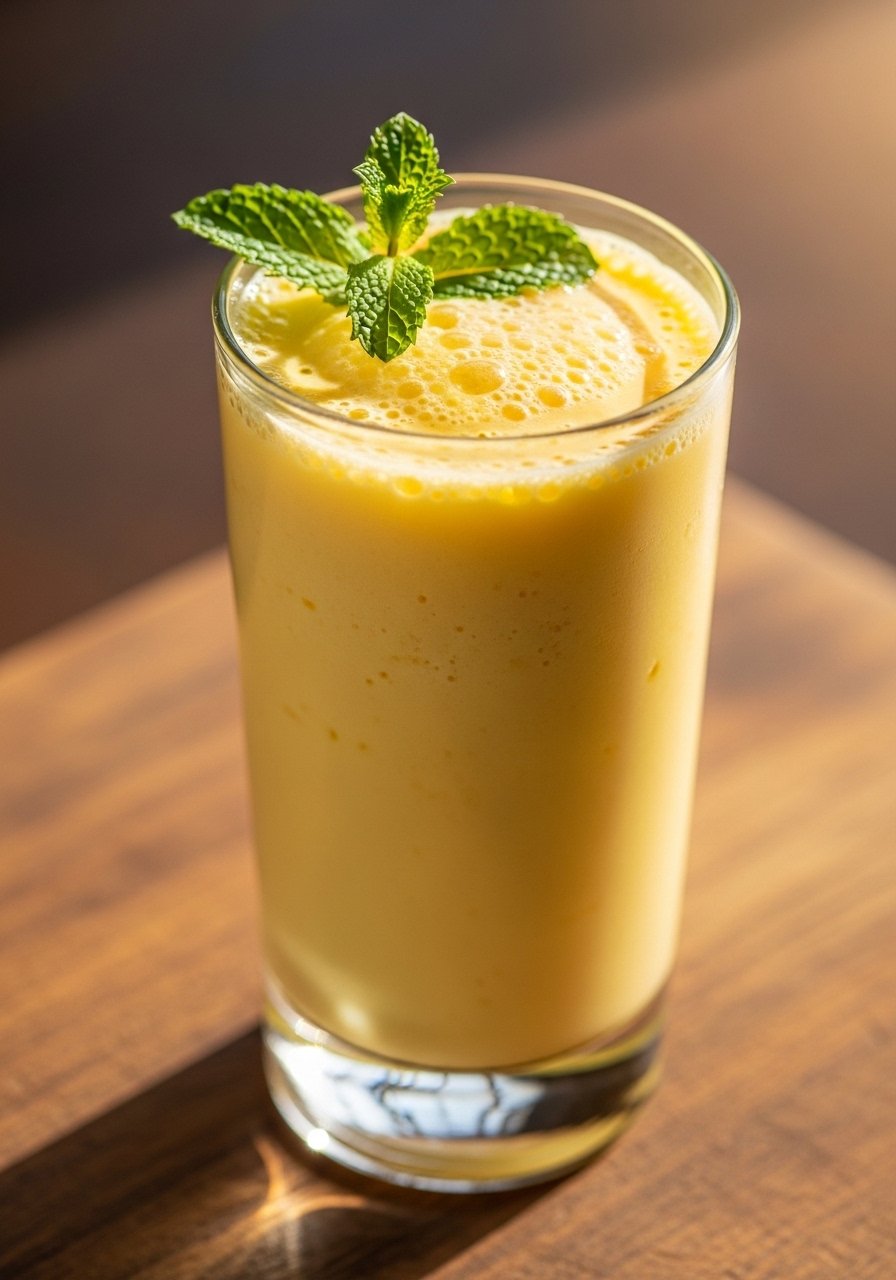
A mango lassi blends yogurt into a silky probiotic drink. It’s cooling, slightly sweet, and pairs well with spicy meals or as a snack.
Ingredients
- 1 cup plain yogurt
- 1/2 cup mango chunks (fresh or frozen)
- 1/4 cup milk or water
- 1 tbsp honey or maple syrup
Step-by-Step Instructions
- Blend: Combine all ingredients in a blender and puree until smooth (about 30–45 seconds).
- Adjust: Add more milk for thinner consistency.
- Serve: Pour into a chilled glass and garnish with mint.
20. Lacto-Fermented Green Beans (Dilly Beans)
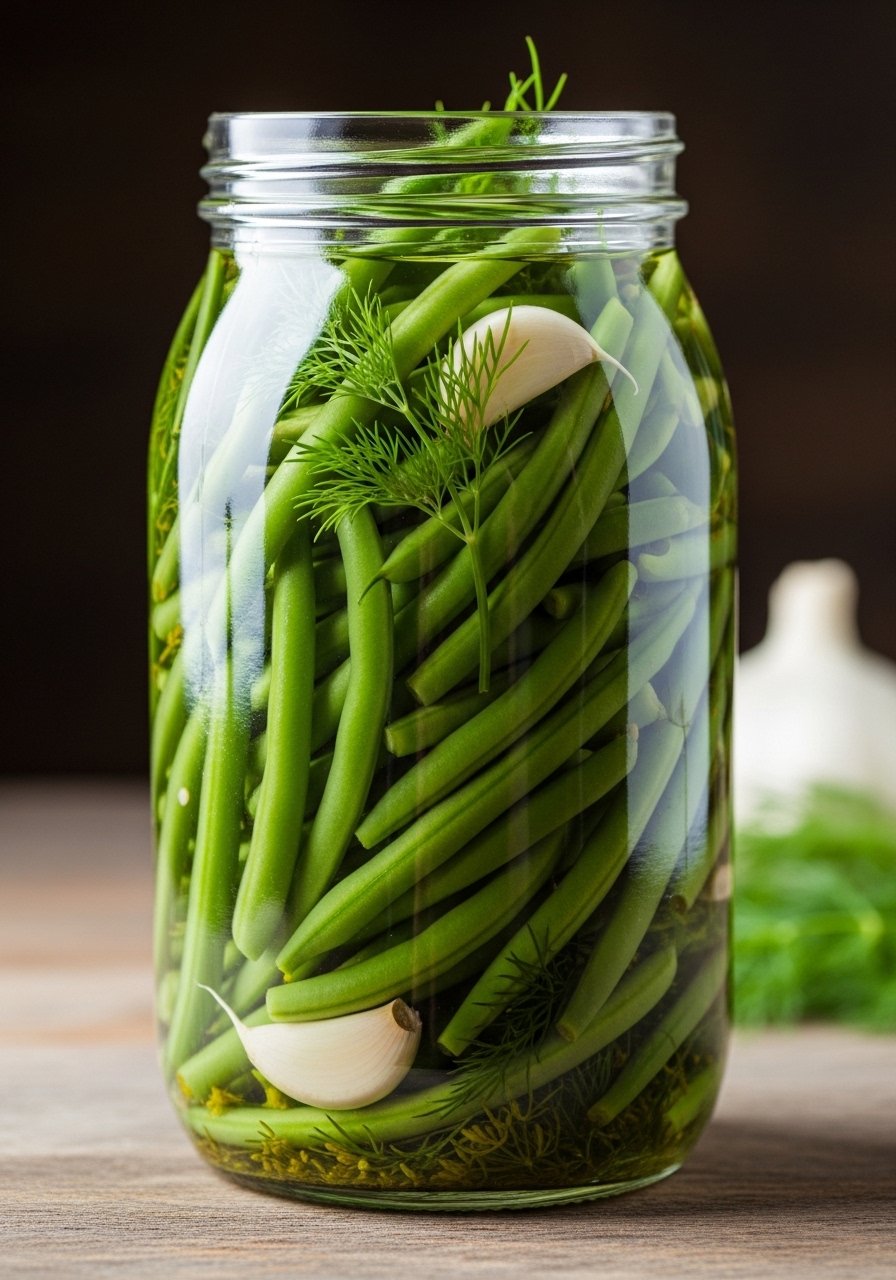
Dilly beans are a crunchy probiotic snack with fresh dill and garlic. They’re great in salads, charcuterie, or straight from the jar.
Ingredients
- 1 lb green beans, trimmed
- 2 cups water
- 1.5 tbsp sea salt
- 3 garlic cloves
- 2 dill sprigs
Step-by-Step Instructions
- Pack: Place beans, garlic, and dill in a jar standing upright.
- Add Brine: Pour salted water (2.5–3% solution) to cover.
- Ferment: Keep submerged and ferment at 65–72°F for 5–10 days until tangy and crisp.
- Refrigerate: Seal and chill.
21. Kimchi Fried Rice

This quick fried rice uses aged kimchi for flavor and probiotics. The result is savory, slightly spicy, and perfect with a runny egg on top.
Ingredients
- 2 cups day-old rice
- 1 cup chopped kimchi, with juice
- 1 tbsp oil
- 1 egg per serving
- 1/2 cup diced scallion
Step-by-Step Instructions
- Sear Rice: Heat oil in skillet over medium-high, add rice and break clumps, cook until slightly crisp (3–4 minutes).
- Add Kimchi: Stir in kimchi and a few tablespoons of kimchi juice, cook 2–3 minutes.
- Finish: Push rice aside, fry egg in skillet until desired doneness. Mix slightly and garnish with scallions and sesame.
22. Sourdough Pancakes

Use sourdough discard to make tangy pancakes with great texture. This reduces waste and adds a subtle probiotic-based flavor to your breakfast.
Ingredients
- 1 cup sourdough discard
- 1 cup flour
- 1 cup milk
- 1 egg
- 1 tbsp sugar
- 1 tsp baking powder
Step-by-Step Instructions
- Mix Batter: Whisk all ingredients until combined; let rest 10 minutes.
- Cook: Heat skillet to medium (about 350°F), add small butter, pour 1/4 cup batter, cook 2–3 minutes per side until golden.
- Serve: Top with fruit or syrup.
23. Fermented Garlic Honey
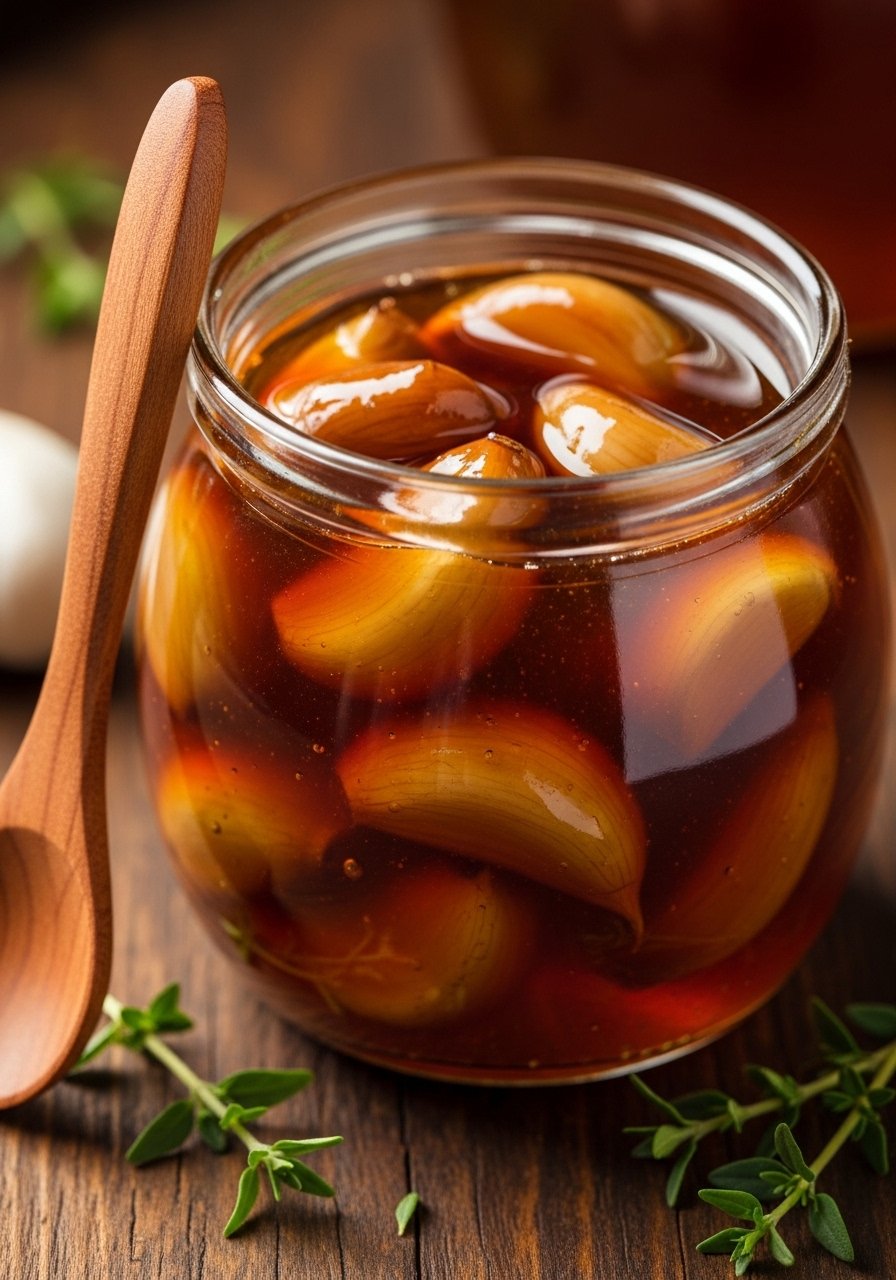
Garlic honey is fermented for mellowed garlic flavor and probiotic benefits. It’s excellent on toast, in dressings, or as a comforting spoonful for sore throats.
Ingredients
- 1 cup raw honey
- 10–12 peeled garlic cloves
Step-by-Step Instructions
- Combine: Place garlic in a jar and cover with honey, leaving 1 inch headspace.
- Ferment: Cover loosely and keep at room temp for 1–2 weeks until bubbling lightly. Burp daily.
- Store: When fermentation slows, seal and refrigerate or keep in a cool pantry.
24. Pickled Red Onions (Quick Ferment)
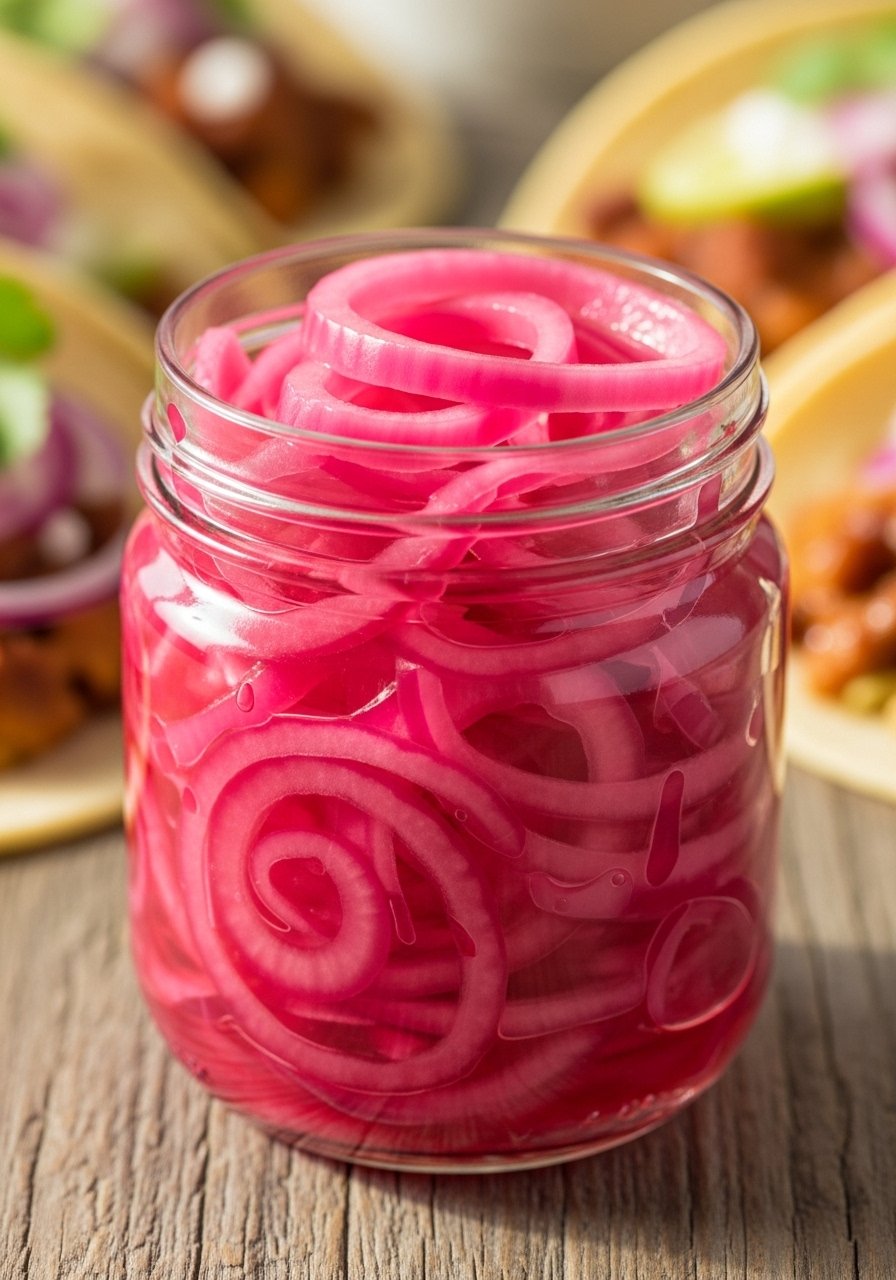
Quick fermented red onions add tang and crunch to salads and tacos. They’re fast to make and still offer beneficial bacteria from a short ferment.
Ingredients
- 1 large red onion, thinly sliced
- 1 cup apple cider vinegar
- 1/2 cup water
- 1 tbsp sugar
- 1 tsp salt
Step-by-Step Instructions
- Make Brine: Heat vinegar, water, sugar, and salt until dissolved; cool to room temp.
- Pack: Place onions in jar and pour brine to cover.
- Short Ferment: Leave at room temp 12–24 hours to develop tang, then refrigerate. Best after 24 hours.
25. Miso-Glazed Eggplant
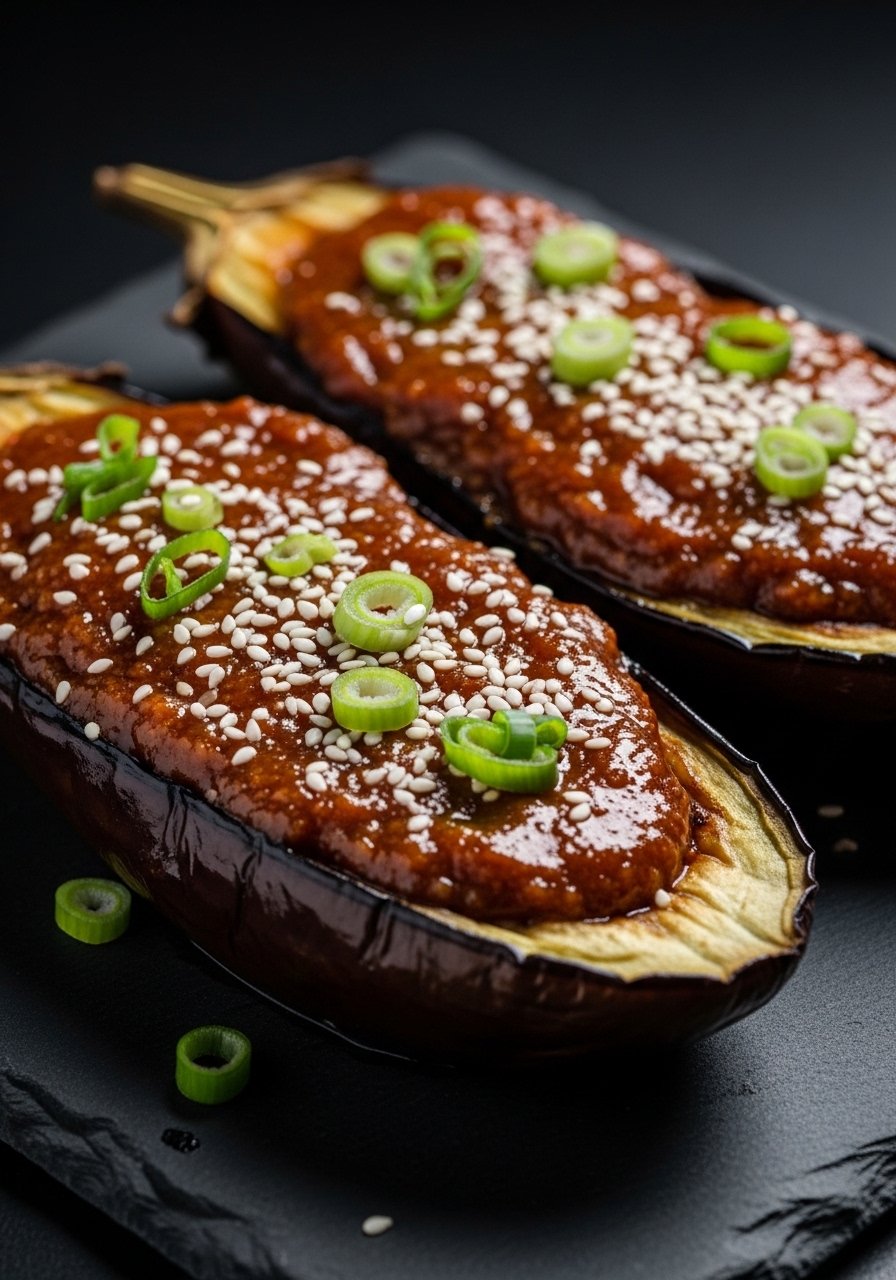
Roasted eggplant with a sticky miso glaze offers fermented miso’s umami. It’s silky, savory, and pairs well with rice for a gut-friendly dinner.
Ingredients
- 2 small eggplants, halved lengthwise
- 2 tbsp miso paste
- 1 tbsp mirin or rice vinegar
- 1 tbsp maple syrup or honey
- 1 tsp sesame oil
Step-by-Step Instructions
- Roast Eggplant: Preheat oven to 425°F (220°C). Score flesh and brush with oil. Roast cut-side up 20–25 minutes until soft and golden.
- Make Glaze: Whisk miso, mirin, maple syrup, and sesame oil in a small bowl.
- Broil: Brush glaze on eggplant and broil 2–3 minutes until caramelized. Serve with scallion and sesame seeds.
Final Thoughts
Try a few recipes that match your daily routine—breakfast, snack, or dinner. Small, consistent servings of probiotic foods can support digestion and add lively flavors to your meals.
Start simple with yogurt, kefir, or sauerkraut, and experiment with ferments as you build confidence. Enjoy the process and the benefits for your belly.