If you’ve ever noticed that some chocolates have a beautiful glossy finish and a crisp “snap” when broken, you’ve already seen the results of tempered chocolate.
Tempering is a crucial technique used by chocolatiers and pastry professionals to improve both the appearance and texture of chocolate.
But what exactly is tempered chocolate, and why does it matter so much? This article explains the concept in simple terms, without focusing on recipes.
What Is Tempered Chocolate?
Tempered chocolate is chocolate that has been carefully heated and cooled to control the formation of cocoa butter crystals.
This controlled process ensures the chocolate sets properly after melting.
When chocolate is tempered correctly, it becomes smooth, shiny, firm at room temperature, and pleasant to eat.
Without tempering, melted chocolate can set with a dull appearance, soft texture, or white streaks known as bloom.
Tempering prevents these issues by stabilizing the cocoa butter inside the chocolate.
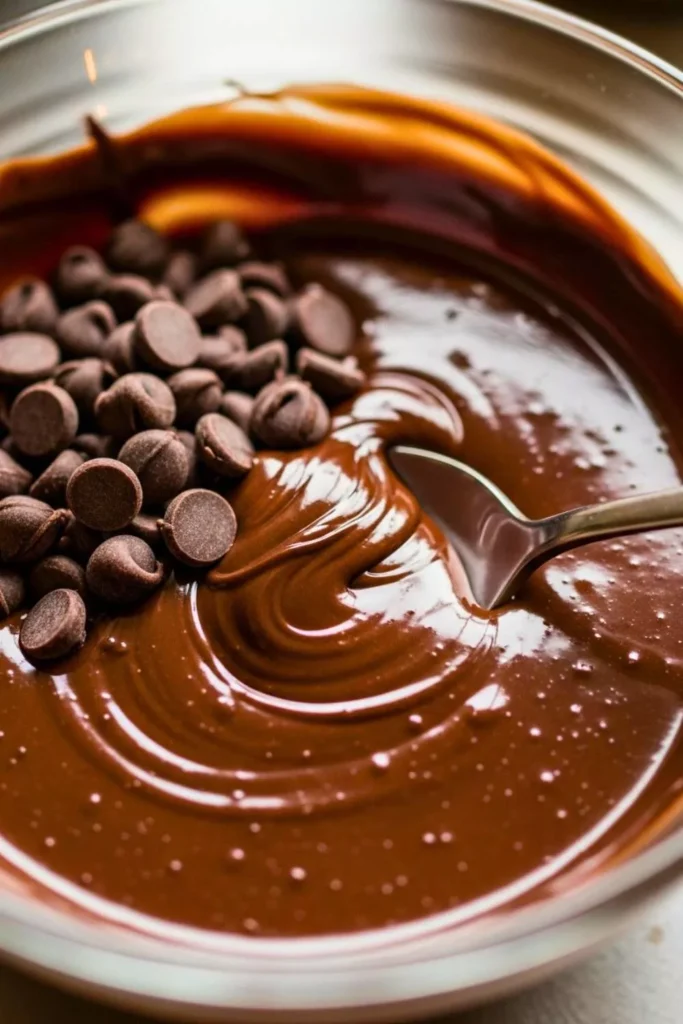
Why Chocolate Needs Tempering
Chocolate contains cocoa butter, which can form several different types of crystals.
Only one type—known as stable crystals—creates the ideal texture and look. Tempering encourages the formation of these stable crystals while eliminating unstable ones.
Properly tempered chocolate:
- Has a glossy, professional finish
- Breaks with a clean snap
- Feels smooth in the mouth
- Sets quickly at room temperature
- Resists melting when handled
The Science Behind Tempered Chocolate
Cocoa butter is polymorphic, meaning it can solidify into multiple crystal forms. When chocolate is melted, all crystal structures break down.
As it cools, crystals reform—but not all of them are desirable.
Tempering works by:
- Heating the chocolate to melt all existing crystals
- Cooling it to allow stable crystals to form
- Slightly reheating it to remove unstable crystals while keeping the stable ones
This process aligns the cocoa butter molecules into an organized structure, giving chocolate its signature shine and firmness.
How Tempered Chocolate Looks and Feels
Tempered chocolate is easy to identify once you know what to look for. Visually, it has a smooth, glossy surface with no streaks or gray patches.
To the touch, it feels firm and dry rather than sticky.
When broken or bitten, it produces a distinct snap, indicating proper crystal formation.
In contrast, untempered chocolate often looks dull, feels soft, and melts quickly in your hands.
Types of Chocolate That Can Be Tempered
Not all chocolate behaves the same during tempering. The cocoa butter content determines whether tempering is necessary.
- Dark chocolate: Requires tempering and is the easiest to temper
- Milk chocolate: Requires tempering but is more sensitive to heat
- White chocolate: Requires tempering and contains cocoa butter but no cocoa solids
- Compound chocolate: Does not require tempering because it uses vegetable fats instead of cocoa butter
Common Problems Without Tempering
When chocolate is not tempered correctly, several issues can occur:
- Fat bloom: White or gray streaks caused by cocoa butter rising to the surface
- Soft texture: Chocolate that doesn’t fully harden
- Poor snap: Chocolate bends instead of breaking cleanly
- Short shelf life: Untempered chocolate degrades faster
These problems affect both the visual appeal and the eating experience.
Where Tempered Chocolate Is Used
Tempered chocolate is commonly used in professional and home kitchens for:
- Chocolate bars and tablets
- Candy coatings and shells
- Truffles and bonbons
- Chocolate decorations and garnishes
- Dipped fruits, cookies, and confections
Any situation where chocolate needs to set firmly and look polished benefits from proper tempering.
Conclusion
Tempered chocolate is chocolate that has been carefully stabilized to achieve the perfect balance of shine, texture, and snap.
While the process may sound technical, the result is easy to recognize and greatly improves the quality of chocolate products.
Understanding what tempered chocolate is helps you appreciate why professional chocolates look and taste so much better than simply melted ones—and why tempering is a foundational skill in the world of chocolate.