A perfectly moist cake is the hallmark of good baking. Moisture affects texture, flavor, and freshness, and it’s what separates a dry, crumbly cake from a soft, delicate one.
This guide explains the ingredients, techniques, and baking practices that contribute to moisture in cakes.
1. Why Moisture Matters in Cakes
A moist cake has a soft crumb, rich flavor, and a pleasant mouthfeel.
It stays fresh longer and requires less frosting to feel satisfying. Moisture also helps distribute flavors and contributes to an evenly tender texture throughout the cake.
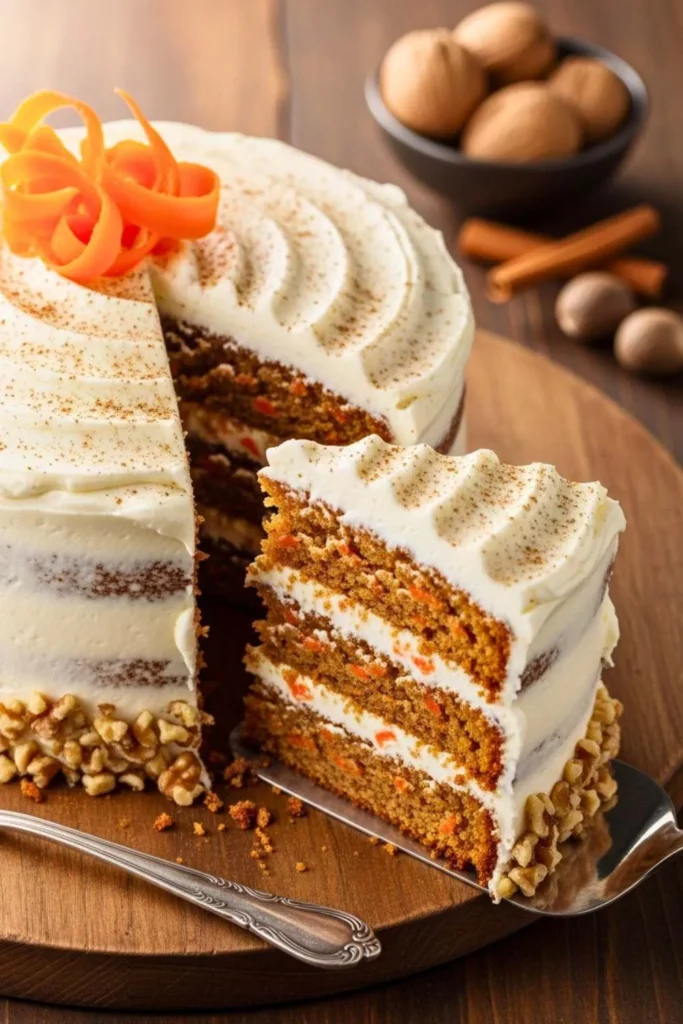
2. Ingredients That Make a Cake Moist
Moisture starts with the right ingredients. Each plays a specific role in the cake’s texture and hydration.
2.1 Fats: Oil, Butter, and Margarine
Fats help tenderize cakes by coating flour proteins and preventing excessive gluten formation.
Oil:
Oil remains liquid even when the cake cools, which helps maintain a consistently moist texture. Chocolate cakes and carrot cakes often use oil for this reason.
Butter:
Butter adds more flavor but less moisture than oil. Butter cakes can still be moist, but they rely on proper creaming and balanced ingredients.
Margarine:
Margarine provides moisture but is usually used when a neutral flavor is preferred.
Comparison Table
| Fat Type | Moisture Level | Flavor Strength | Notes |
|---|---|---|---|
| Oil | Very High | Mild | Ideal for ultra-moist cakes |
| Butter | High | Rich and creamy | Best for flavor-heavy cakes |
| Margarine | Moderate | Neutral | Moist but less flavorful |
2.2 Sugar
Sugar attracts moisture from the environment and holds it within the cake. It prevents the cake from drying out too quickly and contributes to tenderness and browning. Reducing sugar too much results in a tough, dry cake.
2.3 Eggs
Eggs provide structure, richness, and moisture. Yolks contain fat, which softens the cake. Egg whites help the cake rise but can make it dry if used excessively. Many bakers add an extra egg yolk for more moisture and richness.
2.4 Dairy: Buttermilk, Yogurt, Sour Cream, Milk
Dairy ingredients add moisture, richness, and softness. Their acidity helps weaken gluten, creating a more tender crumb.
| Dairy Ingredient | Moisture Contribution | Effect on Cake |
|---|---|---|
| Buttermilk | Very High | Soft, tender crumb with light tang |
| Sour Cream | Very High | Dense, rich, ultra-moist texture |
| Yogurt | High | Moist, balanced structure |
| Whole Milk | Moderate | Adds moisture and helps dissolve ingredients |
Buttermilk and sour cream are especially effective in creating moist and tender cakes.
2.5 Liquid Ingredients: Water, Coffee, Juices
Liquid ingredients hydrate the flour and help dissolve sugar and dry ingredients. Hot water or hot coffee in chocolate cakes intensifies flavor and ensures the batter stays loose and moist.
Fruit juices add both flavor and moisture but must be balanced to prevent excessive sweetness.
2.6 Moisture-Boosting Add-ins
Ingredients like applesauce, mashed bananas, pumpkin puree, grated carrots, and zucchini help retain moisture without thinning the batter. These are commonly used in healthier or quick cakes.
3. Techniques That Influence Cake Moisture
Ingredients alone are not enough. Technique plays an equally important role in creating a moist cake.
3.1 Proper Mixing
Overmixing the batter develops too much gluten, leading to a dense, dry cake. Wet and dry ingredients should be mixed only until combined. For butter cakes, creaming butter and sugar properly is essential for incorporating air and maintaining softness.
3.2 Measuring Ingredients Correctly
Too much flour is the most common reason cakes turn out dry. Flour should be spooned into the measuring cup and leveled, not scooped directly, to avoid compacting it.
Liquid ingredients should be measured in clear measuring cups for accuracy.
3.3 Avoiding Overbaking
Overbaking quickly dries out a cake. A cake is done when the center springs back lightly and a toothpick inserted comes out with moist crumbs, not dry crumbs. It’s best to check the cake a few minutes before the recommended baking time ends.
3.4 Using Simple Syrup
Simple syrup (equal parts sugar and water) can be brushed onto the cake after baking. This adds moisture and is commonly used in sponge cakes, layered cakes, and professional bakery cakes. It’s especially helpful if the cake needs to stay fresh for several days.
4. Baking Conditions and Environmental Factors
4.1 Oven Temperature
An oven that runs too hot causes cakes to rise too fast and dry out. Too low, and the cake becomes dense. Most cakes bake best at 325°F–350°F (160°C–180°C). Using an oven thermometer helps ensure consistent results.
4.2 Pan Size
Using a pan that is too large causes the batter to spread too thin and dry out. Using one that is too small results in underbaking. Always follow the pan size recommended in the recipe.
4.3 Cooling and Storing
Allowing the cake to cool for 10–15 minutes in the pan helps it set without releasing too much steam. After removing from the pan, cooling on a rack prevents sogginess. Wrapping slightly warm cake layers in plastic wrap locks in moisture and is a professional technique used in bakeries.
5. Common Mistakes That Lead to Dry Cakes
- Adding too much flour
- Baking too long
- Using too little fat
- Reducing sugar too much
- Overmixing the batter
- Using only egg whites without compensating for moisture
- Baking at too high a temperature
- Leaving the cake uncovered during storage
6. How to Keep a Cake Moist After Baking
Short-term storage:
Keep the cake covered at room temperature in an airtight container or cake dome.
Long-term storage:
Wrap cake layers in plastic wrap and freeze. Cakes can be frozen for up to three months and will remain moist when thawed properly.
Conclusion
A moist cake is the result of using the right balance of ingredients, avoiding common baking mistakes, and properly handling and storing the cake.
By understanding the science of fats, sugars, dairy, liquids, and mixing techniques, you can consistently create soft, moist, bakery-quality cakes at home or professionally.