Garlic is one of the most widely used aromatics in cooking, valued for its bold flavor and irresistible aroma.
However, garlic can quickly turn from fragrant to bitter if it burns, which can ruin an entire dish.
Knowing when to add garlic during cooking is a fundamental kitchen skill that separates good cooking from great cooking.
Understanding heat levels, cooking methods, and garlic forms helps you avoid burning while maximizing flavor.
Understanding Why Garlic Burns Quickly
Garlic has a high sugar content and very little moisture, which makes it especially sensitive to heat.
When exposed to high temperatures for too long, those natural sugars caramelize rapidly and then scorch. Burnt garlic becomes bitter and unpleasant, overpowering other flavors instead of enhancing them.
The key to preventing burns lies in timing, temperature, and preparation.
The Right Time to Add Garlic Based on Cooking Method
Sautéing on the Stovetop
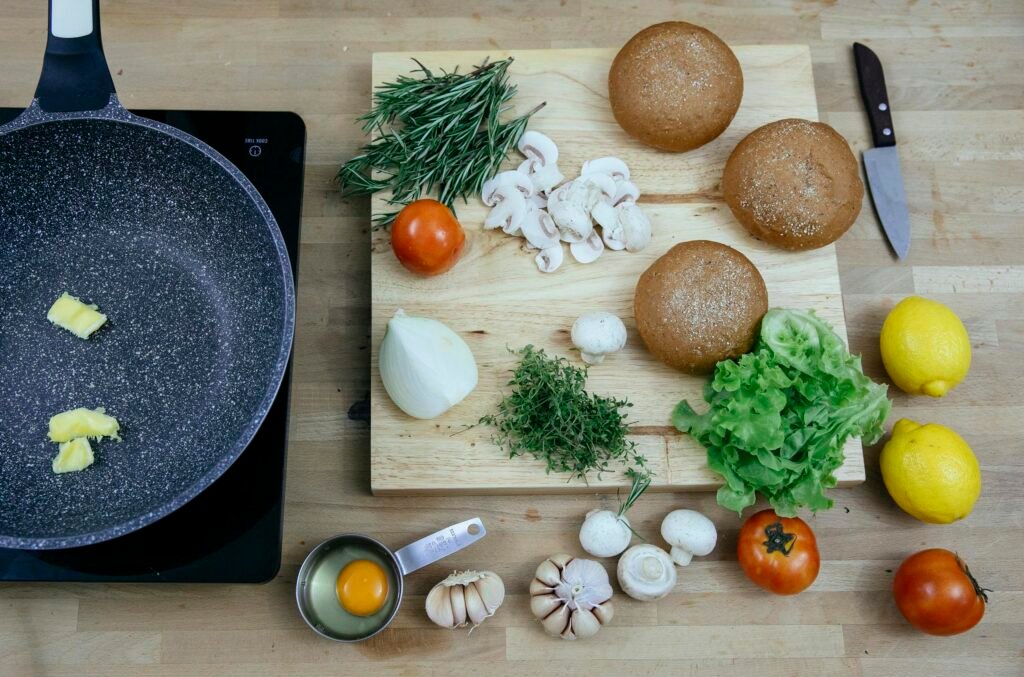
When sautéing, garlic should almost never be added first. Heat the oil, then cook sturdier ingredients like onions, shallots, or vegetables before adding garlic.
Once these ingredients have softened and released moisture, add the garlic and cook it briefly.
Garlic only needs 20 to 30 seconds in hot oil to become fragrant.
As soon as you smell it, it’s ready. Cooking it longer at high heat increases the risk of burning.
Roasting and Baking
For roasting vegetables or meats, garlic behaves differently. Whole cloves or halved heads of garlic can be added at the beginning because their intact structure protects them from burning.
The enclosed flesh slowly softens and becomes sweet.
Minced or sliced garlic, however, should be added later in the roasting process or mixed with oil and moisture to prevent scorching.
Simmering in Sauces and Soups
Garlic added to liquid-based dishes like soups, stews, and tomato sauces is far less likely to burn. In these cases, garlic can be added early, especially if it’s gently sautéed first over low heat.
The liquid helps regulate temperature and allows garlic to mellow, producing a deeper, sweeter flavor rather than sharp heat.
How Garlic Form Affects When You Add It
Minced or Grated Garlic
Minced or grated garlic exposes more surface area, making it burn the fastest.
This form should always be added near the end of cooking when using high heat, or cooked gently over low heat.
Sliced Garlic
Sliced garlic burns slightly slower than minced garlic, but still requires attention. It works best when cooked over medium or low heat and added after other ingredients have softened.
Whole or Crushed Cloves
Whole or lightly crushed cloves are more forgiving and can be added earlier in the cooking process. They infuse flavor gradually and are less likely to burn due to their protective outer layers.
Temperature Control: The Most Important Factor
High heat is garlic’s biggest enemy. Even the correct timing won’t help if the pan is too hot. Medium to low heat is ideal for cooking garlic safely.
If your oil starts smoking, it’s already too hot for garlic.
Lower the heat before adding it, or remove the pan briefly from the burner to cool it down.
Common Mistakes That Cause Garlic to Burn
One of the most common mistakes is adding garlic directly to hot oil without other ingredients present. Another mistake is walking away from the pan, even for a few seconds. Garlic requires constant attention.
Using very fine garlic with high heat or overcrowding a pan can also cause uneven cooking and burning.
Pro Tips for Perfect Garlic Flavor
- Add garlic after onions or vegetables, not before
- Use low to medium heat whenever possible
- Stir constantly once garlic hits the pan
- Add a splash of liquid if the pan feels too hot
- When in doubt, add garlic later rather than earlier
These small adjustments make a noticeable difference in flavor.
Conclusion
Knowing when to add garlic to avoid burning is a simple but powerful cooking skill.
By understanding how heat, timing, and garlic form affect flavor, you can prevent bitterness and bring out garlic’s natural sweetness and aroma.
Whether you’re sautéing, roasting, or simmering, mastering garlic timing ensures every dish tastes balanced, rich, and professionally cooked.