Perfect pancakes come down to mastering one key moment: the flip. Flip too early, and your pancakes will collapse or cook unevenly.
Flip too late, and they may turn dry or over-browned.
Understanding the visual and textural cues helps you achieve golden, fluffy pancakes every time.
Why Timing Matters
Flipping pancakes at the right moment ensures proper rise, even cooking, and a soft, tender texture.
The first side carries most of the structure, so flipping it correctly affects the entire outcome. If you pay attention to heat control and surface changes, you can flip confidently without guessing.
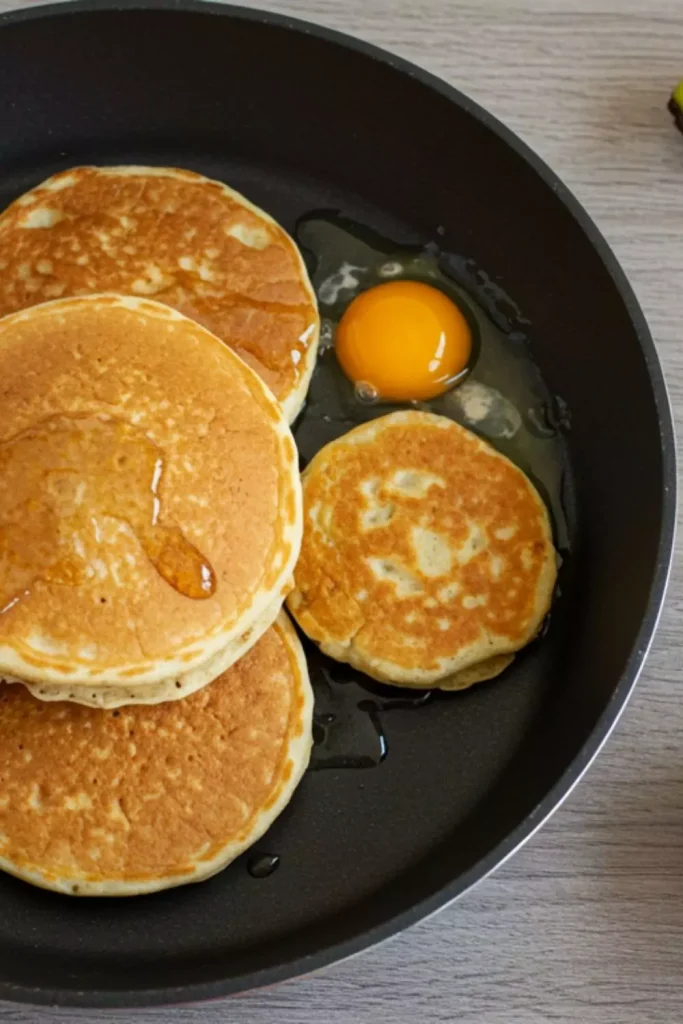
Key Signs Your Pancake Is Ready to Flip
1. Bubbles Form and Begin to Pop
The most reliable sign is the appearance of bubbles across the surface of the batter.
At first, they form without breaking, but when they begin to pop and leave small holes behind, it means heat has travelled through the batter and the bottom is set.
2. The Edges Turn Set and Slightly Dry
Look closely at the rim. The edges will change from glossy and wet to a matte, slightly firm appearance.
This indicates that the batter has cooked enough on the bottom to support a clean flip.
3. The Pancake Slides Easily on the Pan
Gently nudge the pancake with a spatula. If it moves freely without sticking, it’s ready to flip. If it resists, give it a few more seconds to cook.
Heat Control and Its Impact
Medium heat is ideal for pancakes. High heat cooks the outside too fast, making you think they’re ready when they’re still raw inside.
Low heat prevents browning and makes flipping harder because the structure stays soft for longer.
Maintaining a steady medium temperature ensures the batter cooks evenly from the bottom up.
The Correct Flipping Technique
Flipping needs confidence and steady movement. Slide your spatula fully underneath the pancake, lift it gently, and flip it in one quick motion to avoid breaking it.
Once flipped, the second side usually takes less time to cook—about half as long as the first side.
Common Mistakes to Avoid
- Flipping Multiple Times: Pancakes should only be flipped once. Repeated flipping compresses the batter, causing it to become dense and tough.
- Flipping Too Early: If you flip before the bubbles have popped or the edges are set, the pancake may tear or splatter batter on the pan.
- Using Heavy Pressure After Flipping: Pressing down on the pancake forces out air and reduces fluffiness. Let it cook naturally without pushing it.
Conclusion
Knowing exactly when to flip a pancake is a simple skill that makes a huge difference in texture and taste.
Watch for popping bubbles, firm edges, and easy movement on the pan, and you’ll achieve beautifully risen, perfectly golden pancakes every time.
Master the timing, and every breakfast will feel effortless and delicious.