If you’ve ever boiled a pot of pasta only to find the strands clumped together like glue, you’re not alone. Pasta sticking is one of the most common kitchen frustrations—especially for beginners.
Nothing ruins a meal faster than gummy, sticky noodles that won’t separate, absorb sauce unevenly, or turn mushy.
Fortunately, pasta sticking is not a mystery.
It happens for specific reasons, and with the right techniques, you can avoid it entirely.
Why Does Pasta Stick Together?
1. Surface Starch Is the Main Culprit
When pasta first hits boiling water, it releases a lot of surface starch. If there isn’t enough water in the pot or the water isn’t moving, this starch forms a glue-like coating.
As different pieces of pasta touch each other, the sticky starch causes them to bond, creating clumps.
This happens most frequently in the first 2–3 minutes of cooking—precisely when pasta needs the most attention.
2. Not Enough Water in the Pot
Pasta needs space to move. If you cook it in a small pot or use too little water, the starch stays concentrated, and the pasta has no room to circulate.
Inadequate water means:
- Higher starch concentration
- Less movement
- More surface-to-surface contact
All of these increase the chances of sticking.
3. You Didn’t Stir at the Beginning
The most common cause of sticky pasta is simply not stirring early enough.
Pasta needs a few good stirs in the first minute of cooking to separate strands before starch releases heavily.
If the pasta settles at the bottom or piles on top of itself, it will bind together quickly.
4. Adding Pasta Before the Water Boils
Dropping pasta into water that’s not at a rolling boil increases stickiness. Why?
Warm or hot (but not boiling) water can dissolve starch slowly and unevenly, causing it to ooze out and coat the pasta before it has a chance to float and move freely.
Boiling water keeps the pasta in motion, dispersing starch immediately.
5. Not Using Salt in the Water
Salt doesn’t prevent stickiness directly, but it does affect how the starch gelatinises. Proper salting can slightly firm the surface of the pasta, reducing gumminess.
Pasta cooked in unsalted water tends to have a softer, stickier exterior and a bland flavour.
6. Overcooking the Pasta
When pasta is overcooked, the starch continues to swell and break down, making the noodles softer and more prone to clumping.
Mushy pasta releases even more starch, creating a tacky texture that sticks together and absorbs sauce unevenly.
7. Draining and Letting Pasta Sit
Cooked pasta will always start sticking if you drain it and let it sit, even for a few minutes. As it cools, the starch on the noodles thickens and becomes glue-like.
This is why professional kitchens never let cooked pasta sit dry unless they immediately rinse it.
8. Using Too Little Sauce
Pasta depends on sauce for lubrication. If the pasta is not coated while still hot, the exposed starch dries and becomes sticky.
Even a drizzle of olive oil or a splash of pasta water helps prevent clumping while you prep the rest of your dish.
How to Prevent Pasta from Sticking
1. Use a Large Pot With Plenty of Water
Aim for at least 4–6 quarts of water per pound of pasta. More water means starch is diluted and less likely to gum up.
2. Wait for a Rolling Boil
Make sure the water is bubbling vigorously before adding the pasta. This keeps everything in motion.
3. Stir During the First 1–2 Minutes
This is the most crucial step. Stir several times to break up clumps before starch releases.
4. Salt the Water Properly
Add 1–2 tablespoons of salt per pound of pasta. This slightly firms the surface and enhances flavor.
5. Cook to Al Dente
Follow package instructions and start checking 2 minutes early. Firmer pasta sticks less and absorbs sauce better.
6. Don’t Let Drained Pasta Sit Dry
If you’re not adding sauce immediately, toss the pasta with:
- A little olive oil
or - A splash of pasta cooking water
7. Add Sauce While the Pasta is Hot
Warm pasta absorbs warm sauce better, creating a silky, evenly coated result that doesn’t clump.
Conclusion
Pasta sticks together for a handful of simple reasons—mostly starch, lack of water, or not stirring early enough.
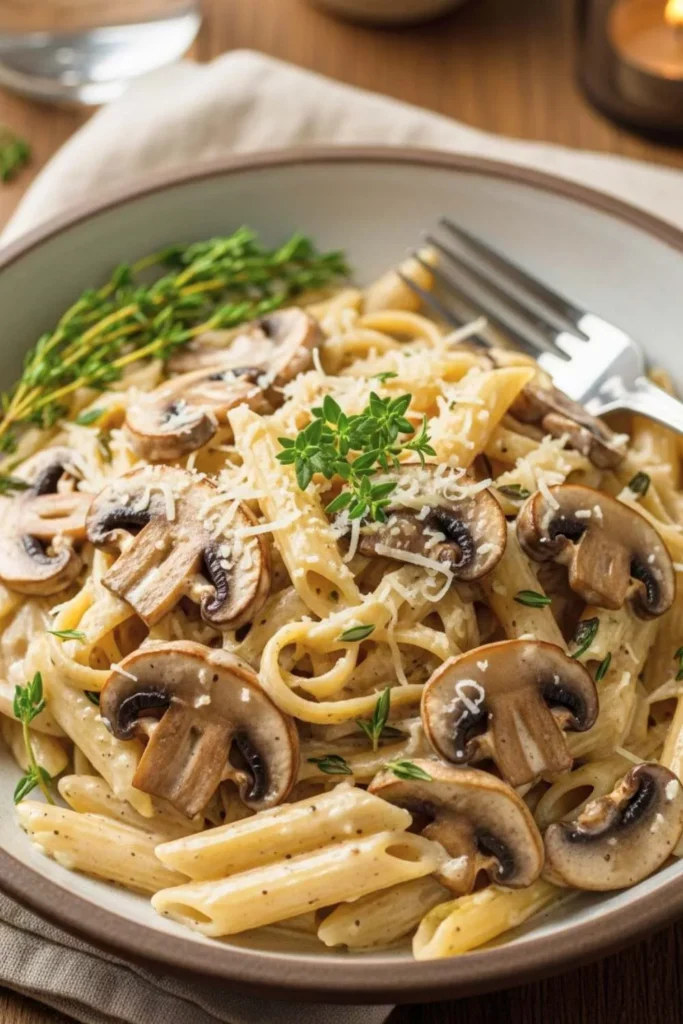
With just a few small changes in technique, you can enjoy perfectly separated, smooth noodles every time. Whether you’re cooking spaghetti, penne, or fresh homemade pasta, understanding why sticking happens is the key to preventing it.
Master these basics, and your pasta dishes will instantly taste more professional, balanced, and delicious.