Soup is one of the most comforting and versatile dishes you can make. But sometimes, no matter how carefully you follow a recipe, your soup turns out thinner than expected.
Instead of a rich, creamy, and hearty texture, it ends up watery and bland.
If you’ve ever asked yourself, “Why does my soup become thin?”—you’re not alone.
Many home cooks struggle with this, and usually, it’s not about doing something completely wrong. It often comes down to a few simple factors that are easy to fix once you understand them.
Common Reasons Soup Becomes Thin
1. Too Much Liquid
Adding too much water or broth is the most common reason soups turn out thin.
Recipes often call for adjustments, but pouring in extra liquid without considering the thickening process can dilute the flavor and texture.
Tip: Start with less liquid than the recipe suggests. You can always add more later if needed.
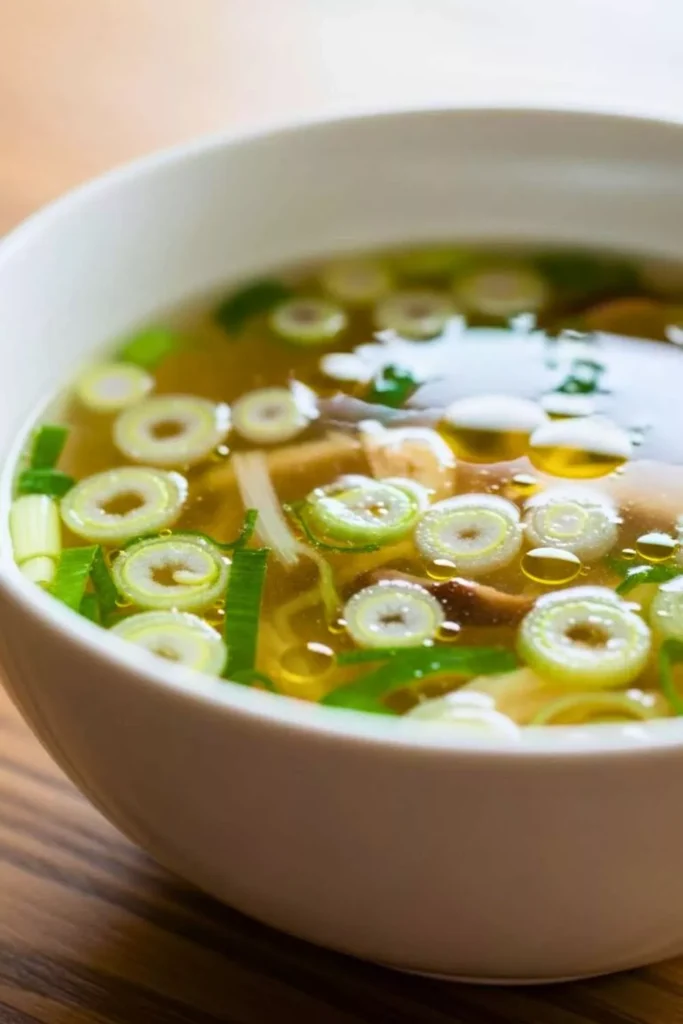
2. Not Enough Thickening Ingredients
Thickening agents like flour, cornstarch, cream, or pureed vegetables are essential for creating a hearty texture.
If you skip or underestimate them, the soup will stay watery.
Tip: Try using a roux (flour + butter), a slurry (cornstarch + water), or blending some cooked vegetables into the soup to naturally thicken it.
3. Overcooking Ingredients
Cooking vegetables for too long can cause them to release too much water, making the soup thinner.
Similarly, meats that haven’t been seared properly can release water, diluting the stock.
Tip: Sauté vegetables and brown meats before adding liquid. This not only adds flavor but also prevents excess water from thinning your soup.
4. Using Low-Quality or Watery Ingredients
Certain vegetables, like cucumbers or tomatoes, have high water content. If used in large quantities without adjusting the liquid or thickening, they can make the soup runny.
Tip: Balance watery vegetables with starchy ones like potatoes, carrots, or squash. They naturally thicken the soup as they cook.
5. Not Reducing the Soup
Sometimes, thin soup simply needs more time on the stove. Letting the soup simmer uncovered allows excess water to evaporate, concentrating flavors and thickening the texture.
Tip: Simmer gently and stir occasionally. Taste as it reduces to make sure the seasoning stays balanced.
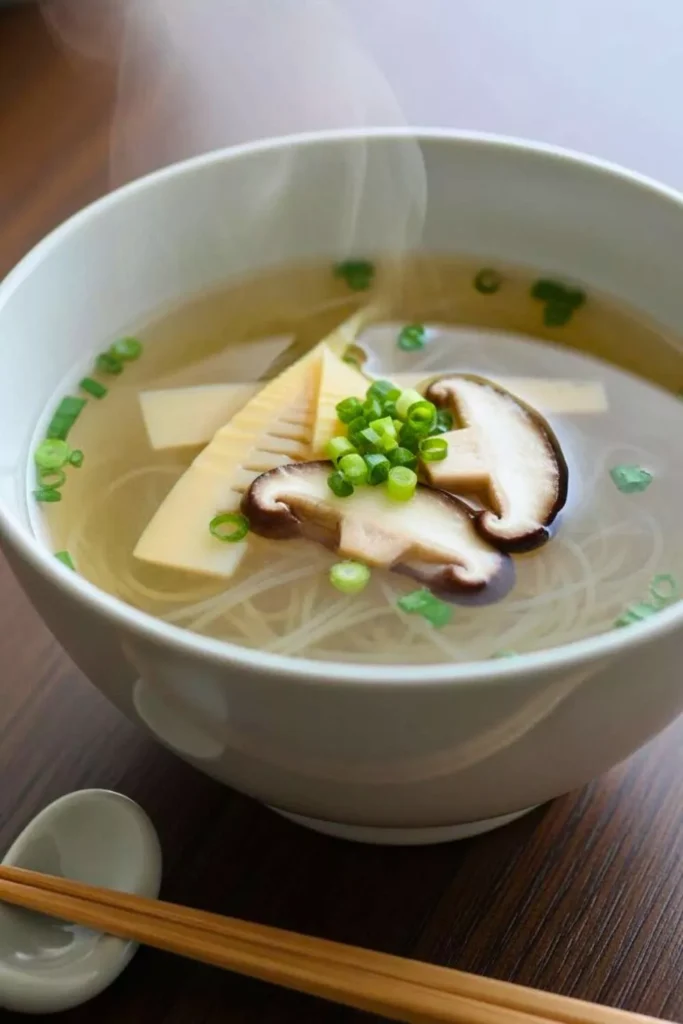
How to Fix Thin Soup
If your soup is already too thin, don’t worry—you can save it. Here are some solutions:
- Puree part of the soup: Use an immersion blender to blend a portion of the vegetables and return them to the pot.
- Add starch: Mix a tablespoon of cornstarch or flour with cold water, then stir it into the simmering soup.
- Add cream or coconut milk: This works especially well for creamy soups.
- Simmer longer: Reduce the liquid slowly on low heat until it reaches the desired thickness.
Quick Tips to Prevent Thin Soup in the Future
- Always measure liquids carefully.
- Cook some ingredients before adding them to the soup.
- Use starchy vegetables or grains like potatoes, rice, or lentils.
- Taste and adjust the seasoning while reducing.
- Consider adding a thickening agent if the recipe calls for it.
Conclusion
A thin soup is rarely a disaster—it’s usually a result of a few small issues with liquid, thickening, or cooking technique.
By understanding why soups become thin, you can prevent it and create hearty, flavorful bowls every time.
With a few simple adjustments, your next soup can be rich, comforting, and perfectly textured.