Cooking is often thought of as a simple task—follow a recipe and get the expected result.
However, many home cooks discover that even when they follow instructions carefully, recipes can still fail.
Cakes collapse, sauces separate, flavors fall flat, or textures turn out wrong. These failures are frustrating but very common.
Understanding why recipes fail is essential for improving cooking skills.
Most problems come from small, often overlooked factors rather than a lack of talent. This article explains the real reasons recipes sometimes don’t work and how to prevent those mistakes.
Not Fully Understanding the Recipe
One of the most common reasons a recipe fails is not fully reading or understanding it before starting.
Recipes are written with a sequence in mind, and skipping or misunderstanding even one step can affect the final result.
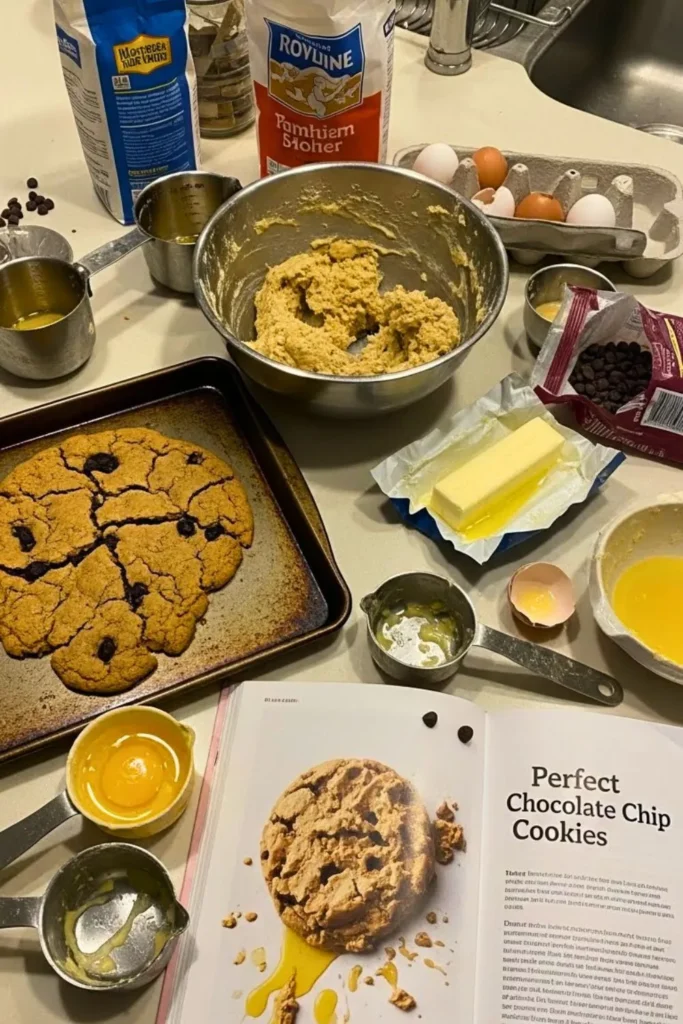
Many recipes include critical instructions about preparation, resting, or temperature adjustments that appear later in the method. When cooks jump straight into cooking without reviewing the full process, they may realize too late that something important was missed.
This often leads to rushed decisions and poor results.
Measuring Ingredients Incorrectly
Accurate measurements are especially important in baking, where the balance of ingredients determines structure, moisture, and rise.
Even in cooking, incorrect measurements can throw off flavor and texture.
Using the wrong measuring tools or estimating amounts instead of measuring can lead to dry baked goods, overly salty dishes, or sauces that are too thin or too thick. Precision matters more than many people realize.
Ingredient Issues That Affect Recipe Success
Some recipe failures are caused not by technique, but by the ingredients themselves. This includes their quality, freshness, and how they are used.
Common ingredient-related problems include:
- Using expired baking powder or baking soda, which prevents proper rising
- Cooking with stale spices that no longer provide flavor
- Replacing full-fat ingredients with low-fat versions without adjustments
Ingredients play specific roles in recipes, especially in baking. When those roles are compromised, the final dish suffers.
Substitutions That Change the Outcome
Substituting ingredients is a frequent cause of recipe failure. While some substitutions work well, others can dramatically change texture, moisture, or structure.
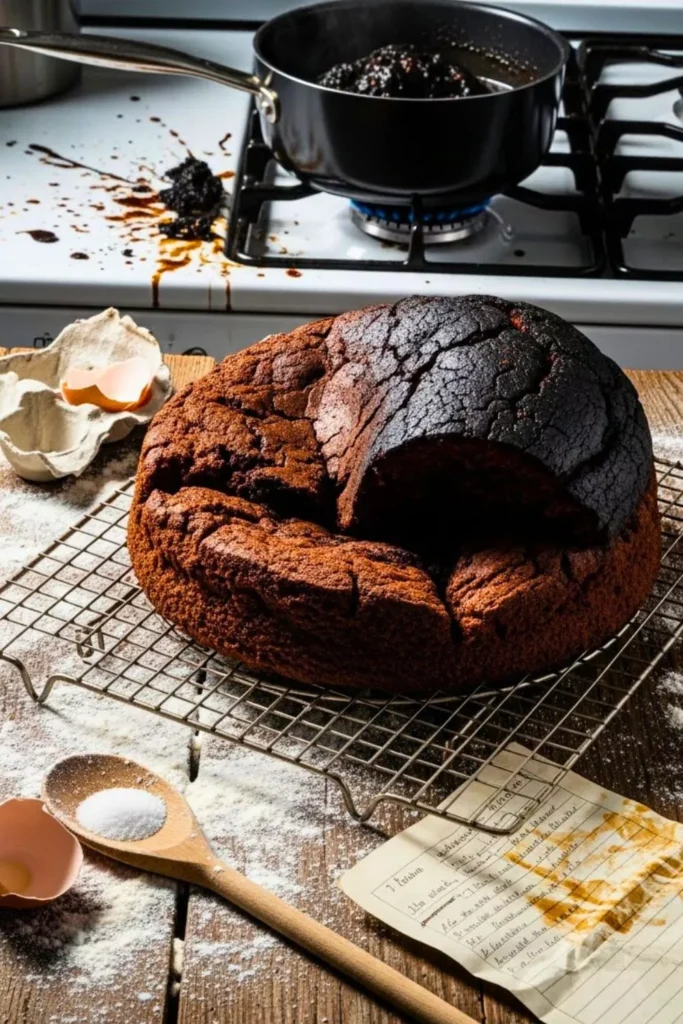
For example, replacing butter with oil, sugar with artificial sweeteners, or dairy with plant-based alternatives can alter how a recipe behaves.
Without understanding the function of each ingredient, substitutions often lead to disappointing results.
Temperature-Related Cooking Mistakes
Temperature affects nearly every stage of cooking. Incorrect oven temperatures, improper stovetop heat, or failing to preheat equipment can all cause recipes to fail.
An oven that runs hotter or cooler than expected can burn food or leave it undercooked.
On the stovetop, heat that is too high can scorch ingredients before they cook evenly, while heat that is too low may prevent proper browning or thickening.
Ingredient Temperature and Its Impact
Many recipes assume ingredients are at specific temperatures, even if not stated explicitly.
Cold eggs, cold butter, or improperly warmed liquids can interfere with emulsification, aeration, and yeast activation.
When ingredients are not at the correct temperature, mixtures may not blend properly, leading to dense textures or uneven cooking.
Mixing Errors: Too Much or Too Little
Mixing affects how ingredients interact. Overmixing can develop too much gluten, especially in baked goods, resulting in tough or dense textures. Undermixing, on the other hand, can leave ingredients unevenly distributed, creating inconsistent results.
The correct mixing method depends on the recipe, and ignoring those instructions often leads to failure.
Resting and Timing Mistakes
Many recipes depend on time as an ingredient. Doughs often need rest to relax gluten, meats need resting time to retain juices, and baked goods need cooling time to set properly.
Skipping or shortening these steps can cause structural problems, dry textures, or collapsed results.
Timing is just as important as technique.
Environmental and External Factors
Sometimes recipes fail due to factors outside the cook’s control. Altitude, humidity, and even kitchen temperature can affect cooking and baking results.
High altitude can change how liquids evaporate and how leavening agents behave.
Humidity affects how flour absorbs moisture. These factors explain why a recipe may work perfectly for one person but not another.
Common Recipe Failures and Their Causes
| Recipe Problem | Likely Cause |
|---|---|
| Cake doesn’t rise | Expired leavening or incorrect measurements |
| Food burns quickly | Oven or stovetop temperature too high |
| Dry baked goods | Too much flour or overbaking |
| Sauce separates | Incorrect heat or improper emulsification |
| Bland taste | Old spices or under-seasoning |
Skill Level and Expectations
Sometimes recipes fail because expectations are unrealistic. Many recipes assume a certain skill level or equipment that the reader may not have.
Additionally, food photography can create expectations that are difficult to achieve in a home kitchen.
Comparing your results to heavily styled images can make a successful dish feel like a failure, even when it tastes good.
Conclusion
Recipes fail for many reasons, but most failures are preventable. Inaccurate measurements, temperature mistakes, ingredient issues, and misunderstood techniques are the most common causes.
Cooking is a learning process, and even failed recipes provide valuable experience.
By understanding how and why recipes fail, cooks can improve consistency, build confidence, and achieve better results over time.
Mastery comes not from perfection, but from learning what went wrong and applying those lessons to the next attempt.