Butter is one of the most essential ingredients in baking—it adds flavor, richness, moisture, and structure to everything from cookies and cakes to pastries and breads.
But when a recipe calls for unsalted butter, many people wonder: Does it really matter?
The short answer is yes.
Unsalted butter isn’t just a preference; it plays a critical role in achieving balanced flavor, accurate texture, and consistent results in baked goods.
Why Use Unsalted Butter in Baking?
Unsalted butter is simply butter that contains no added salt, unlike salted butter, which typically includes around 1.5%–2% salt by weight (though this varies across brands).
The absence of salt gives bakers exact control over the salt levels in a recipe.
It directly affects taste, texture, browning, and even the chemistry of how doughs and batters behave in the oven.
Using unsalted butter ensures that every element in a recipe works exactly as intended—no unexpected saltiness, no altered moisture levels, and no inconsistencies between batches.
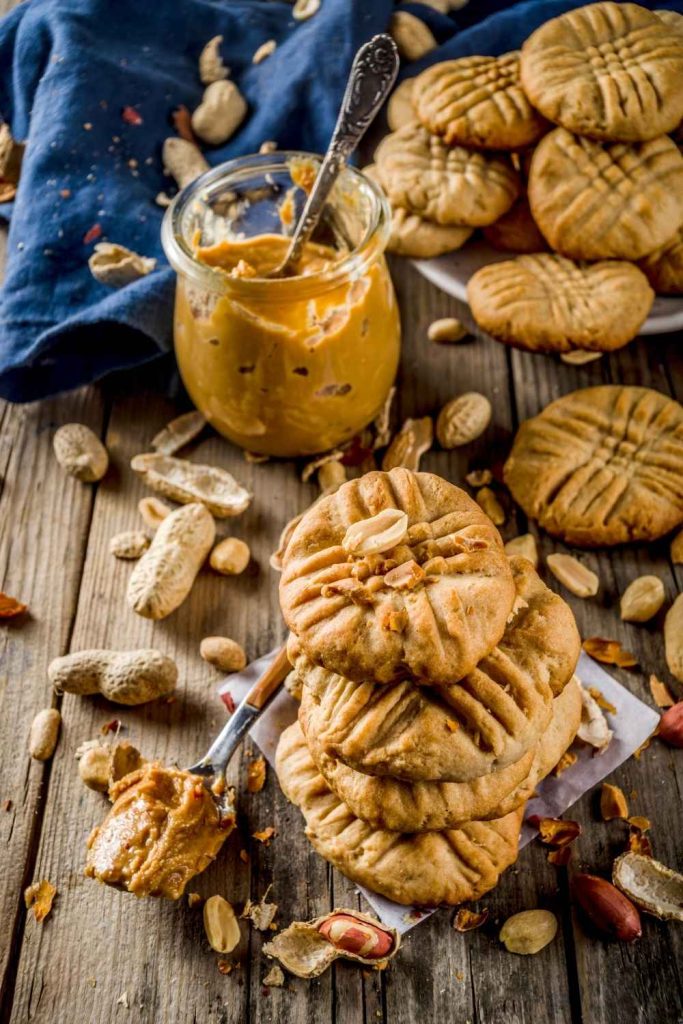
Reasons to Use Unsalted Butter in Baking
1. Precise Control Over Salt Levels
Salt is a powerful ingredient in baking. Even slight changes in salt quantity can affect:
- Flavor balance
- Sweetness perception
- Rise and texture
- Moisture retention
With salted butter, you don’t know the exact amount of salt added by the manufacturer, and different brands add different quantities. This inconsistency can throw off a delicate recipe.
Using unsalted butter means you decide how much salt goes into your baked goods—ensuring consistency every time.
2. Better Flavor Balance
Unsalted butter has a pure, clean, creamy butter flavor because nothing competes with it.
Salted butter, on the other hand:
- Can taste sharper or briny
- Sometimes masks the natural sweetness of baked goods
- Can overpower mild flavors like vanilla or almond
For desserts like cakes, cookies, pastries, and frostings, unsalted butter allows the true flavors to shine.
3. Consistent Texture in Baked Goods
Salt affects gluten development and moisture absorption, which in turn influences:
- Crumb structure
- Tenderness
- Spread (especially in cookies)
- Rising and aeration
When recipes are formulated using unsalted butter, the texture depends on the precise salt measurements. Using salted butter may create:
- Tough cakes
- Dense muffins
- Cookies that spread too little
- Flaky layers that don’t form properly in pastries
Unsalted butter keeps the texture predictable and consistent.
4. More Control in “Creaming” for Cookies and Cakes
Creaming butter and sugar incorporates air—this contributes to the lightness and rise of cakes and cookies.
Unsalted butter is:
- Softer
- Easier to cream evenly
- More consistent in moisture content
Salted butter can be slightly firmer and denser, making the creaming process less uniform.
This small difference can have a noticeable effect on the final bake.
5. Ideal for Frostings and Buttercreams
Frostings and buttercreams rely heavily on butter’s natural flavor. Using salted butter can make your frosting:
- Too salty
- Less sweet
- Altered in color (salt can affect opacity)
Unsalted butter ensures a smooth, clean, sweet base that pairs perfectly with sugar, chocolate, or fruit.
6. Ensures Freshness and Quality
Salt is a preservative, which means:
- Salted butter lasts longer, but
- Unsalted butter is usually fresher, because it is not preserved
Many bakers choose unsalted butter for its superior freshness, lighter flavor, and softer texture.
7. Essential for Sensitive or Delicate Recipes
Certain baked goods are very sensitive to salt, including:
- Shortbread
- Pastries
- Brioche and enriched breads
- Sponge cakes
- Meringue-based desserts
- Pie crusts
These recipes rely on precision. Even small, unmeasured salt from salted butter can disrupt the final result.
8. Professional Bakers Always Use Unsalted Butter
Nearly all professional and commercial bakers rely on unsalted butter for one major reason:
Consistency.
Baking is a science, and precision matters.
Using unsalted butter ensures:
- Every batch tastes the same
- Salt levels are always controlled
- Recipes turn out exactly as intended
If professionals avoid salted butter in baking, home bakers benefit from doing the same.
When Salted Butter Can Work
Although unsalted butter is ideal for baking, there are a few exceptions where salted butter works fine:
1. Rustic Baked Goods
Recipes like:
- Banana bread
- Brownies
- Simple muffins
These are more forgiving and can handle slight salt variations.
2. Savory Bakes
Biscuits, garlic bread, or savory rolls can benefit from salted butter’s flavor boost.
3. When No Other Butter Is Available
If you only have salted butter:
- Reduce the added salt in the recipe by ¼ teaspoon per stick (113 g) of butter
- Taste the dough when possible (cookie dough, frosting, etc.) and adjust
Conclusion
Using unsalted butter in baking is not just a preference—it’s a fundamental choice that ensures accuracy, consistency, and full flavor control.
Because salt levels vary across butter brands, relying on salted butter can yield unpredictable results, especially with delicate baked goods.
Unsalted butter gives bakers complete control over taste and texture, making it the superior choice for professional-quality baking.